
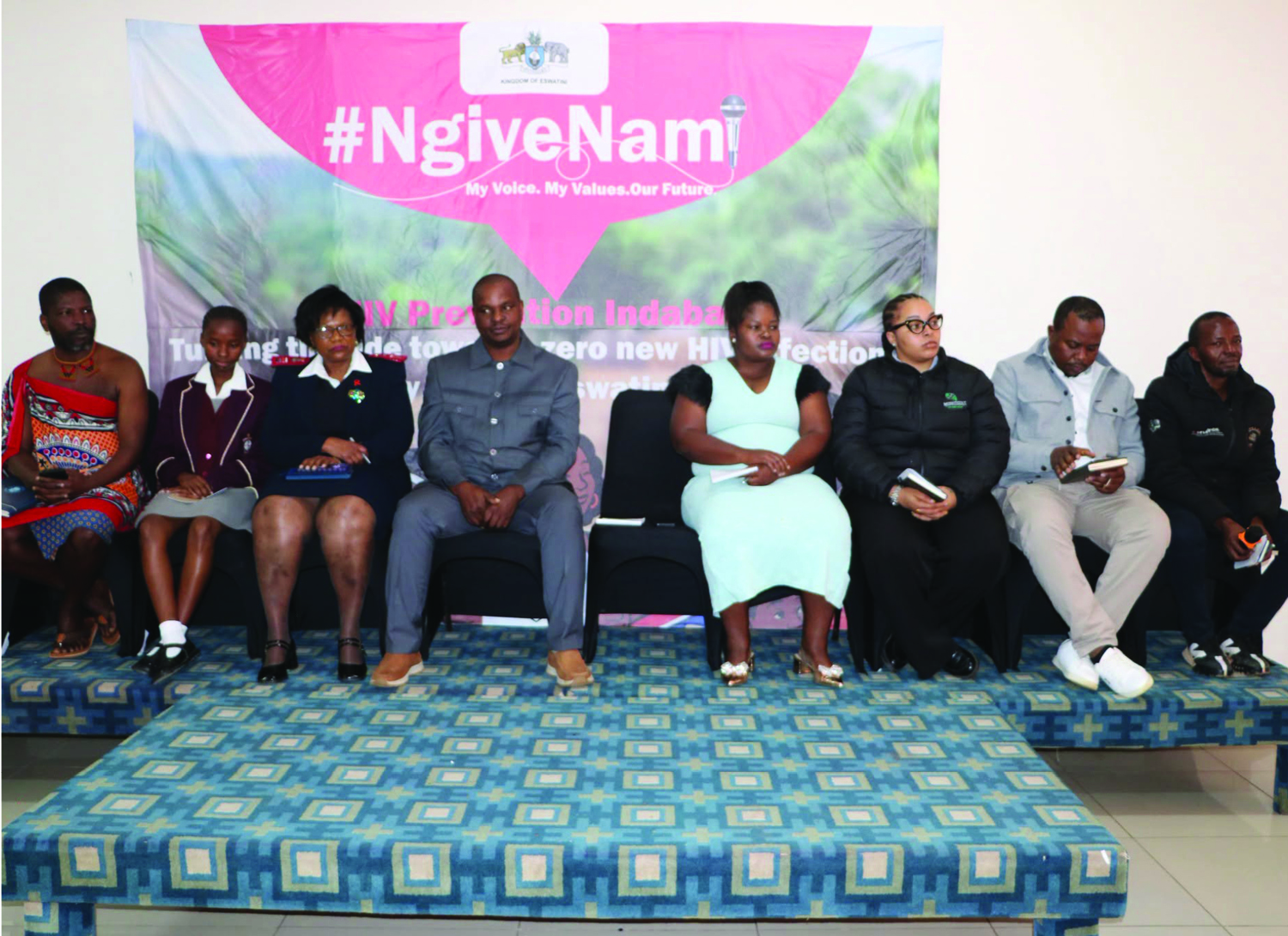
A teacher has revealed a disturbing trend among pupils in which they allegedly inject each other’s blood after taking drugs, warning that the practice could expose young people to HIV.
The revelation was made by Raphael Masuku, a teacher at St Michael’s High School, during a panel discussion at the Manzini Regional Dissemination of the HIV Prevention Indaba held at The George Hotel yesterday. The event was hosted by NERCHA.
The discussion was moderated by AIDS Healthcare Foundation’s Thulani Mthethwa.
Masuku said the practice, which he referred to as “Bluetooth”, was among the new tricks pupils were using to evade warnings against drug and alcohol use. He explained that a pupil who had taken drugs could draw blood from a friend and inject it into themselves, creating a potential route for HIV transmission.
Masuku said the development was particularly concerning because pupils were constantly adopting new behaviours that teachers and parents might not immediately recognise.
He said peer pressure remained a major challenge in schools, with children sometimes engaging in risky behaviours simply because they saw their peers doing so.
The teacher also pointed to the growing use of vaping products among pupils, saying some devices were designed to resemble pens and carried appealing flavours, making them difficult for parents and teachers to identify.
Masuku said teachers needed to stay ahead of emerging trends because pupils were increasingly becoming more knowledgeable about such behaviours than the adults responsible for guiding them. He also raised concern over overcrowding in schools, saying high teacher-pupil ratios made it difficult for educators to provide holistic support and identify behavioural changes among learners.
Masuku called for government to strengthen guidance and counselling services in schools, saying many teachers were not sufficiently trained to deal with complex social and behavioural problems affecting pupils. He also appealed for greater emphasis on abstinence as part of HIV prevention, arguing that young people should continue to be taught about the importance of delaying sexual activity.
“Pupils have overtaken us,” Masuku said, warning that adults risked constantly playing catch-up with new behaviours emerging among young people.
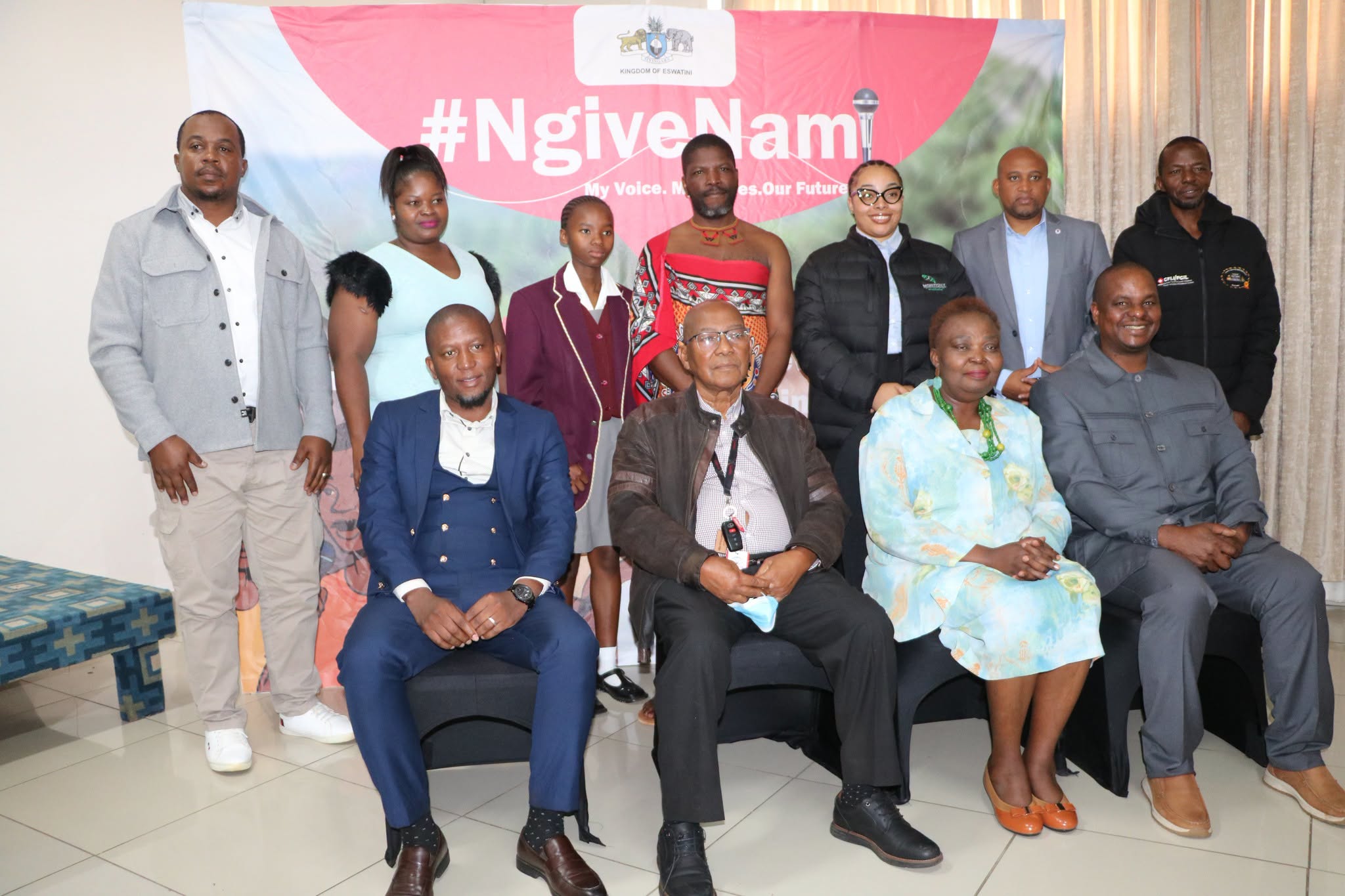
His revelations came as NERCHA research specialist Dr Mfundi Motsa reported that Eswatini recorded about 4 220 new HIV infections in 2024, up from approximately 4 000 in the previous impact measurement, with young people among those disproportionately affected.
MANDLAZI QUESTIONS DONOR INFLUENCE ON HIV PROGRAMMES
Manzini North Indvuna Yenkhundla Siboniso Mandlazi has questioned whether organisations implementing HIV programmes in the country are sometimes forced to adopt standards set by donors, even when these conflict with local traditions and values.
Speaking during the Manzini Regional Dissemination of the HIV Prevention Indaba at The George Hotel in Manzini yesterday, Mandlazi said the findings presented by NERCHA raised concerns about the realities facing young people, including their sexual behaviour and strained relationships between children and parents.
He questioned whether organisations receiving donor funding were able to reject conditions they considered inconsistent with Eswatini’s values, or whether they were effectively required to accept them in order to access funding. Mandlazi urged stakeholders to consider the possible consequences of decisions made in the name of HIV prevention, particularly where these could affect the upbringing of children.
His submission followed a presentation by NERCHA research specialist Dr Mfundi Motsa, who revealed that the country recorded about 4 220 new HIV infections in 2024, up from approximately 4 000 in the previous impact measurement.
Motsa said young people, particularly adolescent girls and young women, remained among those disproportionately affected, while structural and social barriers continued to hamper HIV prevention efforts.
SAFAIDS Eswatini representative Xolani Nhleko supported the findings, saying they reflected realities on the ground. He identified strained relationships between parents and children as one of the factors contributing to HIV incidence, arguing that parents needed to acknowledge that young people were growing up in a dramatically different environment.
Nhleko also called for greater support for existing youth-friendly HIV service feedback mechanisms, saying organisations including SAFAIDS, FLAS and Khulisa were already working to make services more accessible and responsive to young people.
Responding to Mandlazi, Motsa acknowledged that the concerns raised warranted discussion, particularly around how traditional approaches to child discipline could be reconciled with human rights standards.
He also argued that strengthening domestic funding for the HIV response was critical, saying organisations dependent on external funding could find themselves having to follow the priorities of their sponsors.