


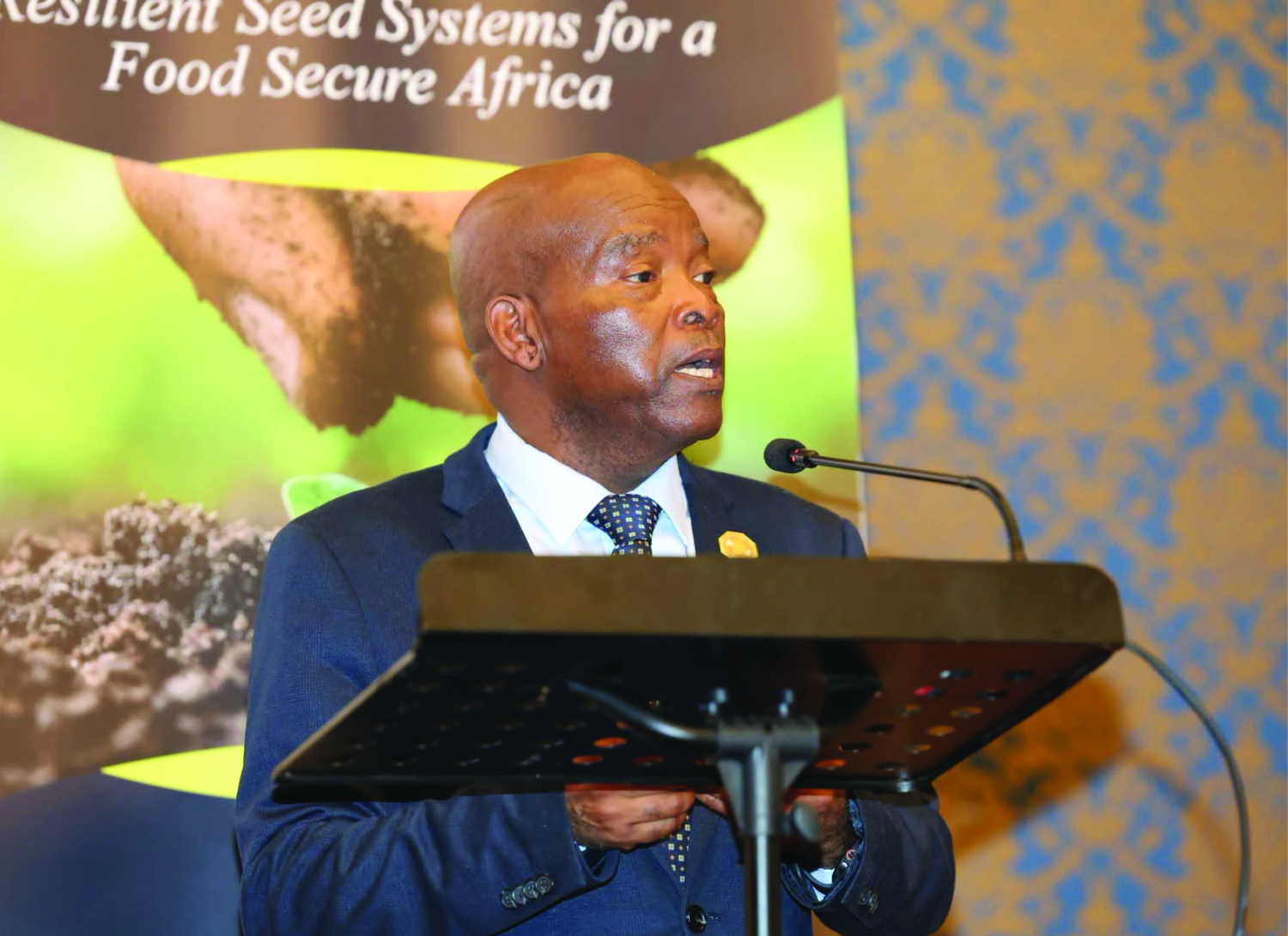
THE African Union is pushing for a continental seed and genetic resources bank as it seeks to strengthen investment, innovation and resilience in Africa’s agriculture sector.
Agriculture, Rural Development, Blue Economy and Sustainable Environment Commissioner Moses Vilakati said the proposed facility would form part of a wider network of regional and national seed banks and genebanks.
Vilakati made the remarks during the state dinner of the inaugural African Seed Summit on Tuesday evening, where he outlined the AU’s vision for strengthening the continent’s seed systems and protecting its agricultural biodiversity.
He said the proposed continental institution would work with regional economic communities, governments, research institutions, universities, farming communities and the private sector.
“Such a system would serve as Africa’s collective insurance policy against the loss of biodiversity and genetic resources,” Vilakati added.
The proposal comes as African countries face growing pressure to improve agricultural productivity while adapting to climate change.
According to the commissioner, millions of farmers still struggle to access quality, affordable and climate-resilient seed, while weak seed systems, limited investment and fragmented markets continue to constrain agricultural transformation.
He said Africa also needed to protect indigenous crops, traditional farmer varieties and wild relatives of cultivated crops, which provide genetic material that can support future agricultural development.
“Yet these invaluable genetic resources remain vulnerable to biodiversity loss, climate change, land degradation, pests, diseases and other emerging threats,” he stated.
From a commercial perspective, the proposed system could strengthen the foundations for investment across Africa’s seed and agricultural technology value chains.
Vilakati said the continental facility would support the conservation, characterisation, documentation and sustainable use of genetic resources, while strengthening research and innovation.
The initiative would also support the development of crops capable of withstanding climate pressures and emerging agricultural threats.
Vilakati also mentioned that the AU’s vision extends beyond conservation, with the summit focusing on seed policy harmonisation, investment in research and innovation, stronger seed enterprises, farmer-managed seed systems, seed trade and biotechnology.
For businesses, improved coordination of seed systems and policies could help create a more supportive environment for seed companies, researchers and agricultural technology firms operating across African markets.
Vilakati said the proposed continental bank would facilitate the responsible exchange of genetic resources and support the development of “climate-resilient and pest-resistant crops”.
The initiative is expected to feature in the Ezulwini Declaration on African Seed Systems, which is among the principal outcomes expected from the summit. He noted that the declaration would provide a shared continental vision for transforming Africa’s seed sector and could include a collective commitment to establishing the continental seed and genetic resources bank.
He described the proposed network as a strategic pillar for biodiversity conservation, food security and sustainable agricultural development.
“It is therefore fitting that this important milestone is taking place in the Kingdom of Eswatini,” Vilakati said, thanking His Majesty King Mswati III for hosting the summit and supporting Africa’s agricultural transformation.
GOVT MOBILISES E8M FOR SEED SUMMIT
ESWATINI mobilised about E8 million towards hosting the inaugural African Union (AU) Seed Summit at the Ezulwini Palazzo International Conference Centre.
Minister of Agriculture Mandla Tshawuka said the bulk of the funding came from AU partners, who contributed about US$470 000, equivalent to approximately E7.8 million.
“On Eswatini side we were able to raise E1 million,” Tshawuka said during the official dinner held at the ICC on Tuesday.
Partners supporting the summit included the World Bank, Alliance for a Green Revolution in Africa (AGRA), Gates Foundation, Sasakawa Africa Association, Food and Agriculture Organisation (FAO), Bayer and PELUM Association.
The funding comes as the kingdom hosted the three-day inaugural Seed Investment Summit from October 5-7, themed ‘Resilient Seed Systems for a Food-Secure Africa.’ The summit brought together African political leaders, agriculture ministers, development organisations, farmers, researchers and private-sector players to discuss strengthening the continent’s seed systems.
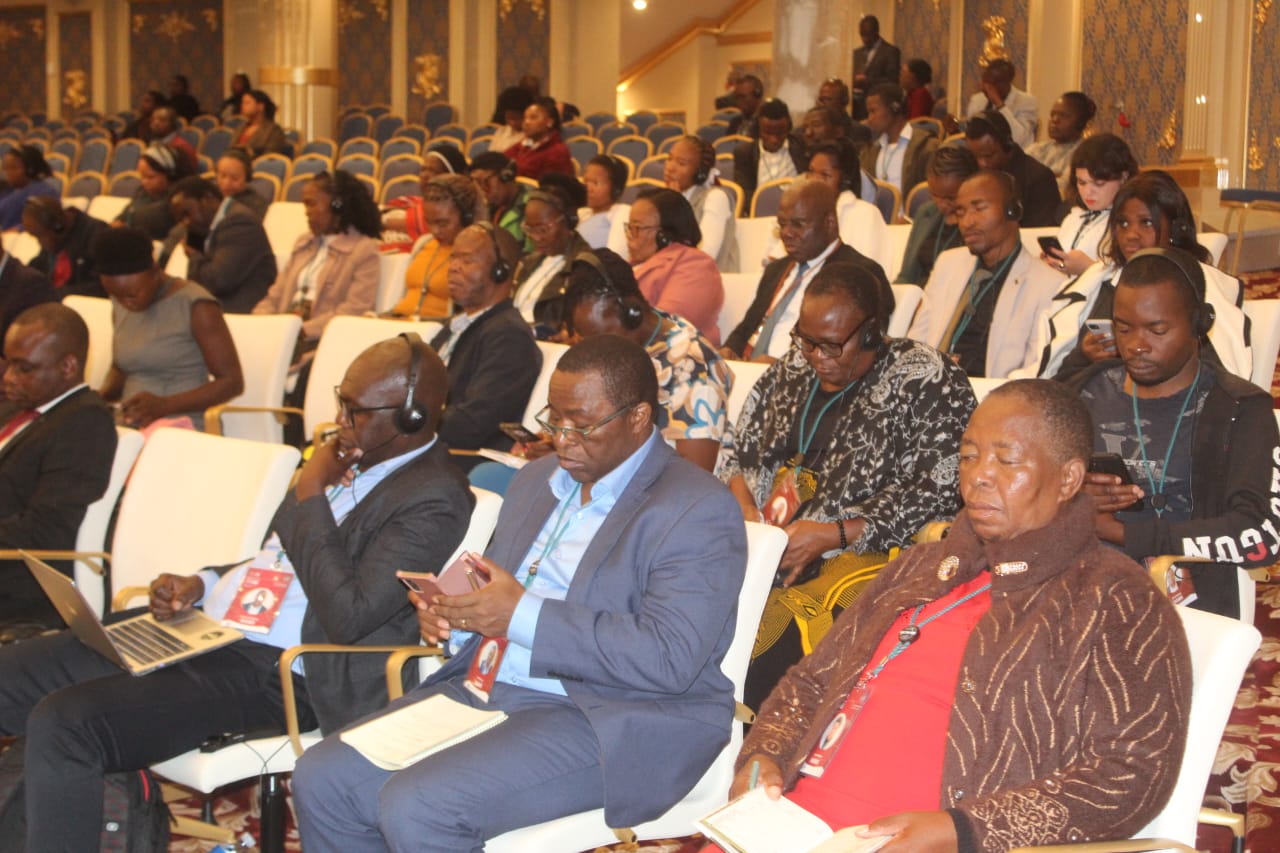
According to the AU the summit seeks to mobilise sustainable public and private investment in the seed sector, unlock co-investment opportunities and strengthen policy and regulatory frameworks that can encourage private-sector participation. It is also expected to launch the Seed Sector Performance Index 2025 Status Report for Africa.
The event came against the backdrop of uneven access to improved seed across Africa. While more than 70% of farmers in some countries use improved certified seed for crops such as maize and vegetables, the AU says certified seed use remained below 5% for many legumes and root and tuber crops.
For Eswatini, hosting the summit involved significant logistical commitments. Earlier estimates put the country’s hosting requirements at about E10.7 million, covering expenses including catering, transport, accommodation, interpretation, internet connectivity, accreditation, branding, support staff and the gala dinner.
The dinner, attended by His Majesty King Mswati III as guest of honour and AU Commission Deputy Chairperson Selma Malika Haddadi of Algeria, formed part of the summit programme.
The gathering also provided a platform for businesses and investors to engage with policymakers on opportunities across the seed value chain, including research, breeding, processing, certification, distribution and agricultural technology. The AU has identified increased investment, stronger institutions, innovation and improved access to quality seed as essential to raising agricultural productivity, strengthening food security and building climate resilience across the continent.
The summit was expected to culminate in commitments on Africa’s seed systems, including a summit declaration, an implementation roadmap and a revised 10-year action plan for the Africa seed and biotechnology programme.
Seed trade barriers targeted
THE African Union is seeking to harmonise seed policies and facilitate cross-border trade as part of efforts to build stronger agricultural markets across the continent.
AU Agriculture, Rural Development, Blue Economy and Sustainable Environment Commissioner Moses Vilakati, said policy harmonisation and improved seed trade were among the key priorities of the inaugural African Seed Summit in Eswatini.
The push comes as fragmented markets continue to affect the movement and availability of quality seed across African countries.
Vilakati said the summit was bringing together governments, farmers, researchers, seed companies, development partners and regional institutions to “chart a common pathway for strengthening Africa’s seed systems”.
The agenda also includes strengthening seed enterprises and promoting farmer-managed seed systems, alongside investment in research, innovation and biotechnology.
For the private sector, a more coordinated approach could make it easier for seed businesses to operate across markets while expanding farmers’ access to varieties suited to local conditions.
Vilakati articulated that the broader objective was to ensure African farmers had access to seed that is “productive, climate-resilient and adapted to local conditions”.
| Component / Source | Amount (SZL / USD) | Focus / Entities Involved |
|---|---|---|
| AU International Partners | ~E7.8m (US$470k) | World Bank, AGRA, Gates Foundation, Sasakawa, FAO, Bayer, PELUM |
| Government of Eswatini | E1.0 Million | Host country contribution and local logistics mobilisation |
| Total Mobilised Hosting Funds | ~E8.8 Million | Financing protocol, gala dinner, transport, connectivity & operations |
Foreign Exchange Rates
| Currency / Asset | Buy (SZL) | Sell (SZL) |
|---|---|---|
| USDUS Dollar | 16.5638 | 16.6138 |
| GBPBritish Pound | 22.9420 | 22.0082 |
| JPYJapanese Yen | 0.1046 | 0.1049 |
| CHFSwiss Franc | 19.8821 | 19.9349 |
| BWPBotswana Pula | 1.1595 | 1.1962 |
| AUDAustralian Dollar | 11.5416 | 11.5798 |
| CADCanadian Dollar | 11.6441 | 11.6768 |
| EUREuro | 18.5994 | 18.6556 |
| Gold | 4,136.2400 | |
| Oil | 101.57 | |