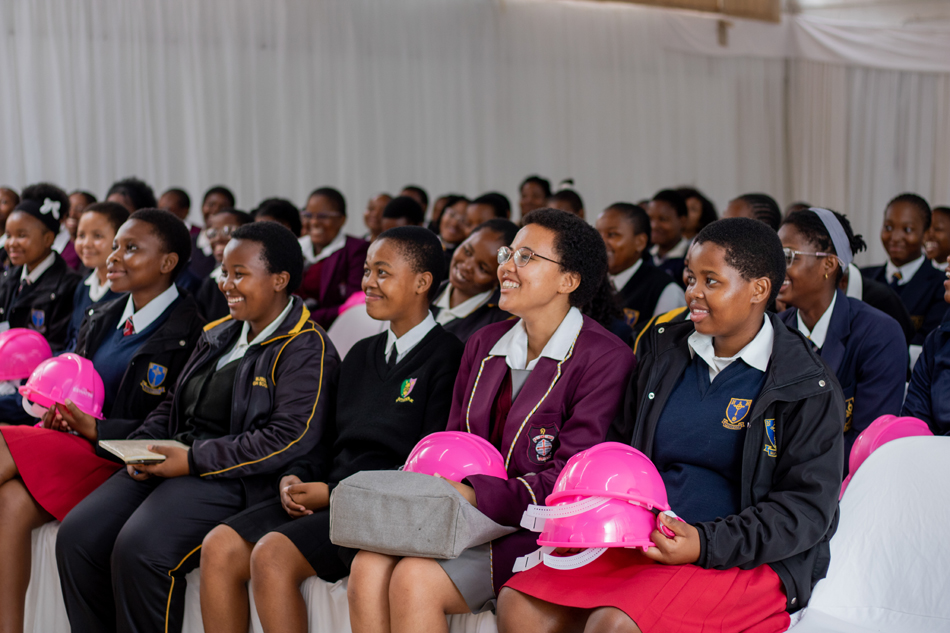
As the country seeks to strengthen its technological capacity and address shortages of specialised skills, 100 high school girls have graduated from a programme designed to prepare them for careers in science, technology, engineering and mathematics (STEM), traditionally dominated by men.
The graduates, drawn from Enjabulweni, Swazi National, Manzini Nazarene, St Michael’s, Londunduma, Sibovu and Mjingo High Schools, completed 10 months of training under the fourth cohort of the GirlEng Club programme, run by Women in Engineering (WomEng) Eswatini. The initiative comes at a time when the country faces the challenge of developing a skilled workforce capable of responding to the demands of an increasingly technology-driven economy, while addressing the underrepresentation of women in technical fields.
According to the United Nations’ 2025 Common Country Analysis for Eswatini, women account for only 28% of enrolment in STEM and technical institutes, highlighting the gender gap in fields that are increasingly important to economic development. The report also revealed that only 10% of primary schools and 60% of secondary schools were connected to the internet, limiting opportunities for learners to acquire digital skills, particularly girls in rural schools.
The skills shortage extends beyond access to education. The kingdom’s National Skills Anticipation Report, published in March 2025 by the Eswatini Higher Education Council (ESHEC) and the Eswatini Economic Policy Analysis and Research Centre (ESEPARC), identified a shortage of specialised STEM educators, including qualified teachers in science, mathematics, technology and engineering.
The report warned that the shortage affected learners’ preparedness for the demands of a modern, technology-driven economy.
The importance of addressing these gaps goes beyond increasing the number of people pursuing technical qualifications. STEM skills are essential in strengthening sectors such as agriculture, healthcare, energy, manufacturing and information technology, where scientific knowledge and innovation can improve productivity, develop new products and address practical challenges.
For the country, building this capacity is also important in diversifying the economy, encouraging local innovation and creating opportunities for young people to establish technology-based enterprises. The World Bank’s July 2025 Eswatini Economic Update identified digital transformation as an important driver of economic growth and job creation. It noted that although nearly 95% of the population was covered by 4G networks, only about 58% were using the internet, with the high cost of data among the barriers to greater digital adoption. It further highlighted the need to strengthen digital skills and entrepreneurship to help businesses embrace technology and improve their competitiveness.
It is against this backdrop that programmes such as GirlEng seek to expose girls to opportunities in STEM before they make decisions about their future careers.
Through monthly workshops conducted over 10 months, the participants received training in leadership, entrepreneurship, goal setting and career choices, while being introduced to different career paths in STEM.
Professional women working in various STEM fields across the kingdom facilitated the sessions, providing the girls with exposure to female role models and demonstrating that careers in engineering, science and technology are attainable regardless of gender.
Beyond career guidance, the programme also sought to equip the participants with entrepreneurial skills to develop viable projects that respond to challenges within their communities.
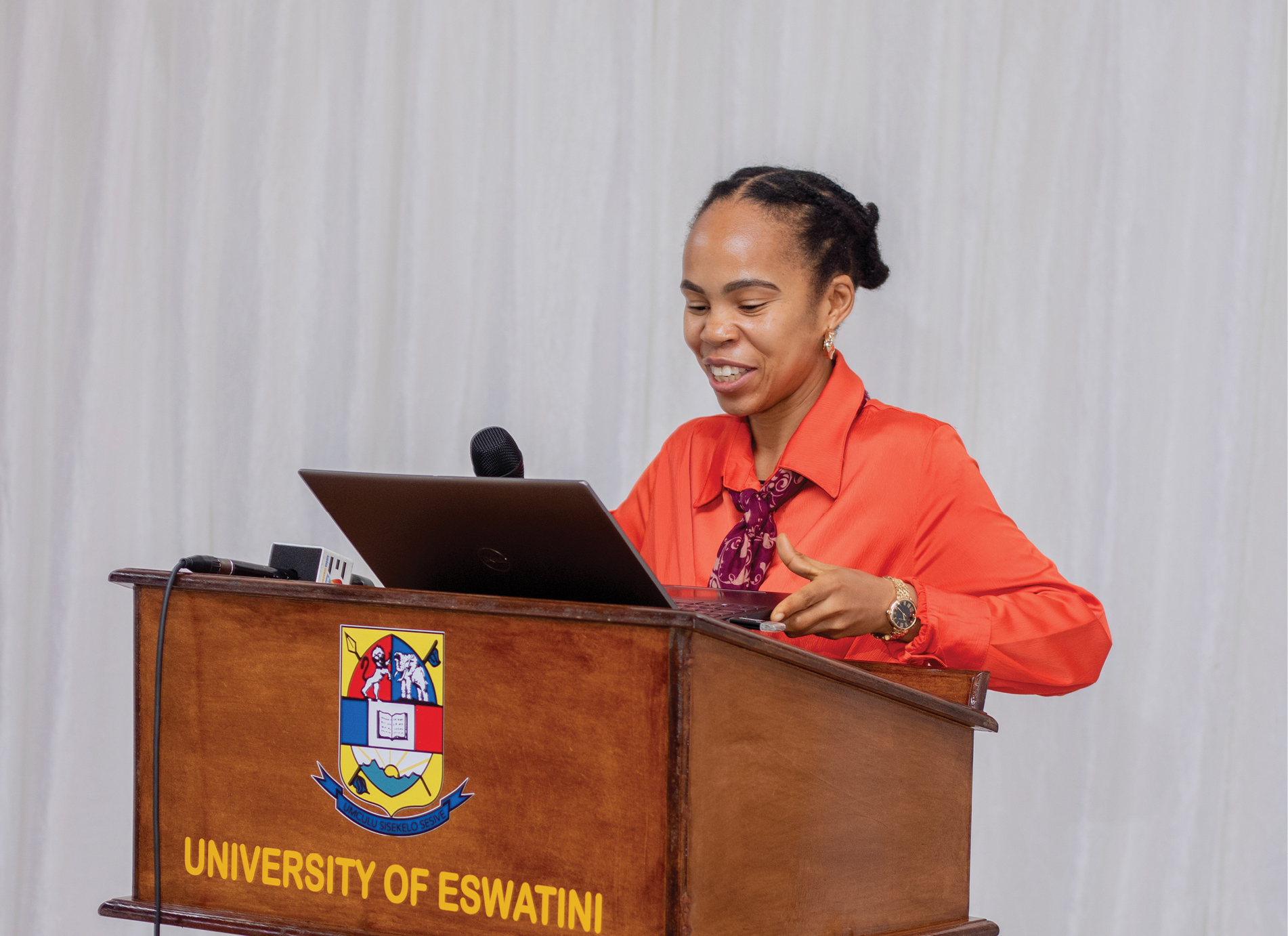
During the graduation ceremony, MTK Sustainable Technologies Director Thobile Khumalo introduced the girls to the world of entrepreneurship, highlighting what it takes to establish and lead a business in the STEM sector.
She encouraged them to consider how their technical knowledge could be transformed into enterprises capable of creating employment opportunities and contributing to Eswatini’s economic development. WomEng Eswatini Co-founder Dr Bongekile Matsenjwa also delivered a presentation titled ‘Becoming a Leader’, aimed at inspiring the graduates to recognise their potential as future leaders. She focused on the importance of developing confidence, vision and sound decision-making skills to enable them to take up leadership responsibilities in their schools, communities and future workplaces.
The graduates reportedly viewed the programme as an important intervention in helping them make informed career choices and understand how STEM knowledge could be applied to develop solutions to challenges facing their communities.
The GirlEng clubs were established in January 2023 with support from the University of Eswatini (UNESWA). Since their inception, approximately 250 students have benefited from the initiative.
The 100 graduates received certificates after completing the 10 workshops, marking the conclusion of the programme’s fourth cohort.
The initiative seeks to encourage more girls to pursue STEM careers, narrow the gender gap in the sector and ensure that young women are not excluded from opportunities emerging from scientific and technological advancement.