


“TONIGHT, we saw our mother again.”
Those heartfelt words from Lucky Masilela summed up the emotion that swept through the audience during the staging of KwaMagogo at Royal Villas Hotel.
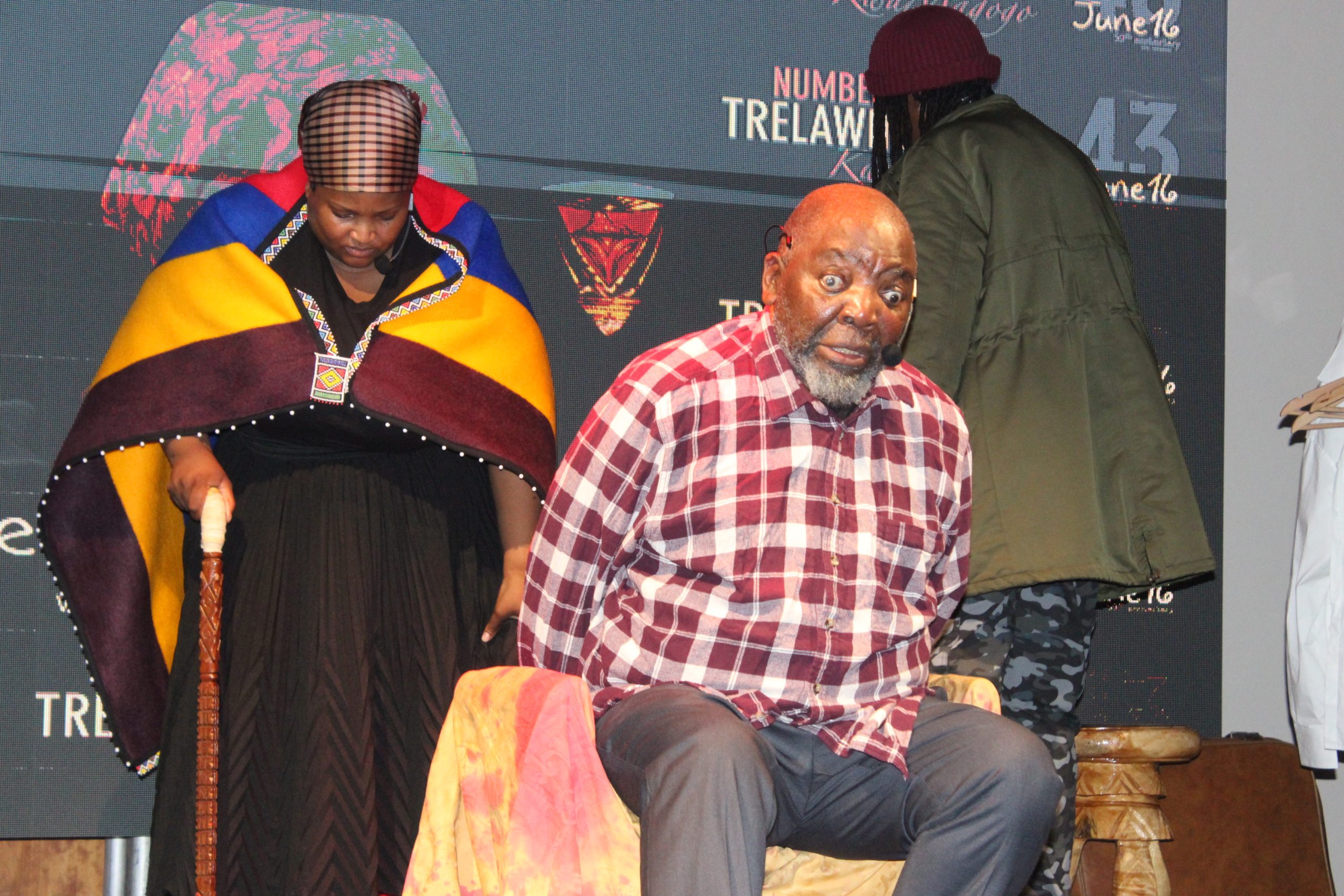
For a few unforgettable moments, the packed venue ceased to be a commemorative gathering. It became a journey through memory, sacrifice and history, as acclaimed South African actors Siyasanga Papu, Noluthando Buthelezi and legendary stage icon Jerry Mofokeng WaMakhetha delivered a gripping performance that left many visibly moved.
The applause that followed was not merely appreciation for a well-executed production, it was an emotional response to a story that resonated deeply with those gathered to honour the legacy of Number 43 Trelawney Park and its place in the liberation struggle of Southern Africa.
From the opening scenes, the cast drew the audience into a world shaped by courage, compassion and difficult choices.
Against the backdrop of the June 16, 1976 uprising and the role played by the Masilela family in offering refuge to young South Africans fleeing apartheid persecution, the performers recreated moments that felt intensely personal.
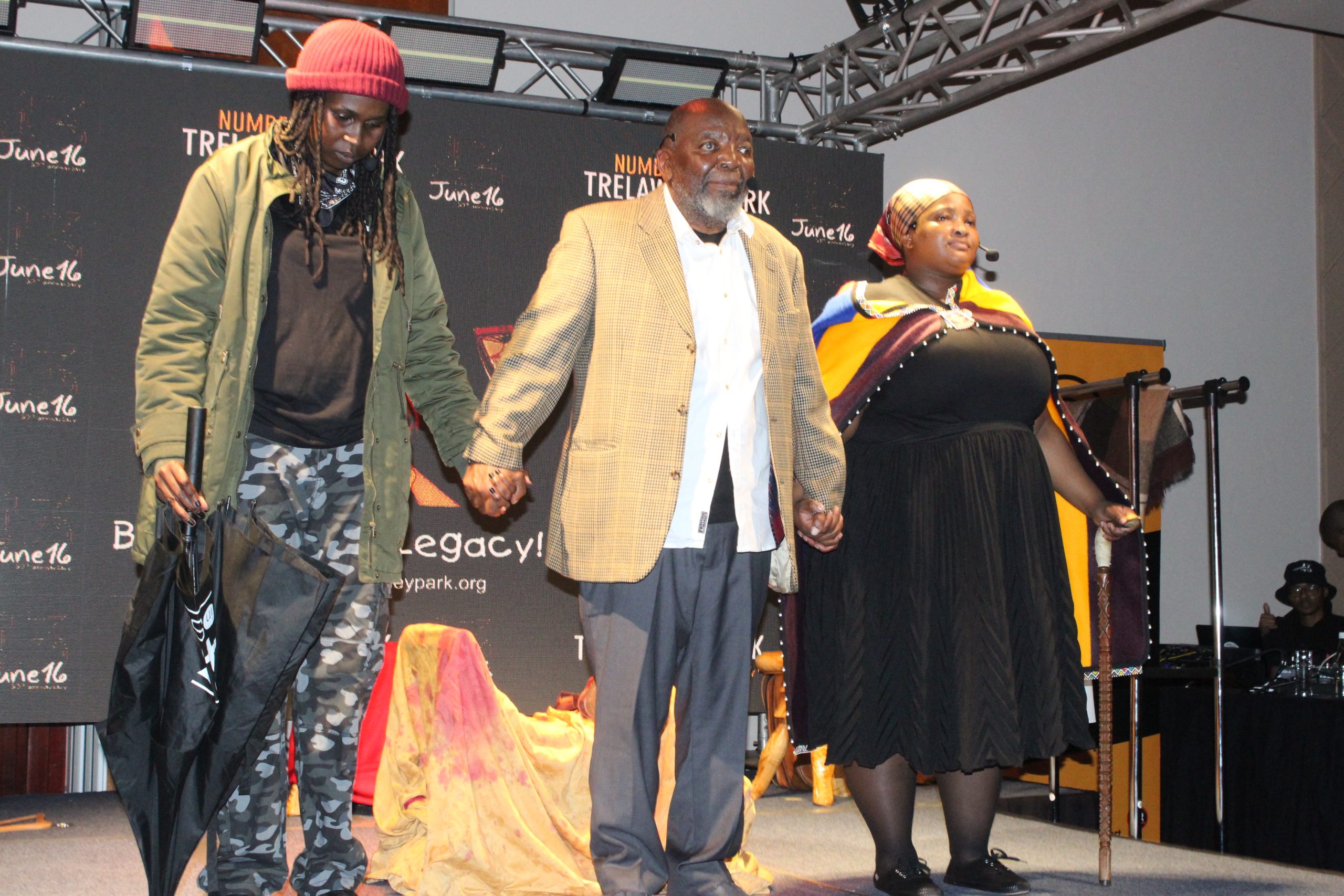
Siyasanga Papu embodied the spirit of Magogo with remarkable grace and conviction.
Her portrayal carried both the warmth of a mother and the quiet strength of a woman whose home became a sanctuary for freedom seekers.
Every gesture and every line seemed to bridge the gap between history and the present.
Alongside her, Jerry Mofokeng WaMakhetha demonstrated why he remains one of the most respected figures on the African stage.
His commanding presence filled the room, while his nuanced delivery brought depth and dignity to the unfolding story.
Noluthando Buthelezi complemented the production with an energetic and emotionally charged performance that added urgency to the narrative.
As the story unfolded, emotions shifted from pride to sorrow, from reflection to celebration.
Audience members leaned forward in their seats, completely immersed in the production.
Some wiped away tears. Others sat silently, absorbing the weight of the memories being revived before them. One could almost feel the goosebumps ripple through the hall. The performance carried particular significance given the evening’s reflections on the country’s contribution to the liberation struggle.
Throughout the programme, speakers had highlighted how the kingdom became a refuge for young South Africans escaping apartheid.
On stage, those historical accounts found human faces, voices and emotions. When the curtain finally fell, the audience rose in heartfelt appreciation. For the Masilela family, however, the evening was about more than theatre.
It was about remembrance.
It was about seeing history breathe again.
And, as Lucky Masilela poignantly observed, it was about seeing their mother return, if only for a moment, through the power of storytelling.