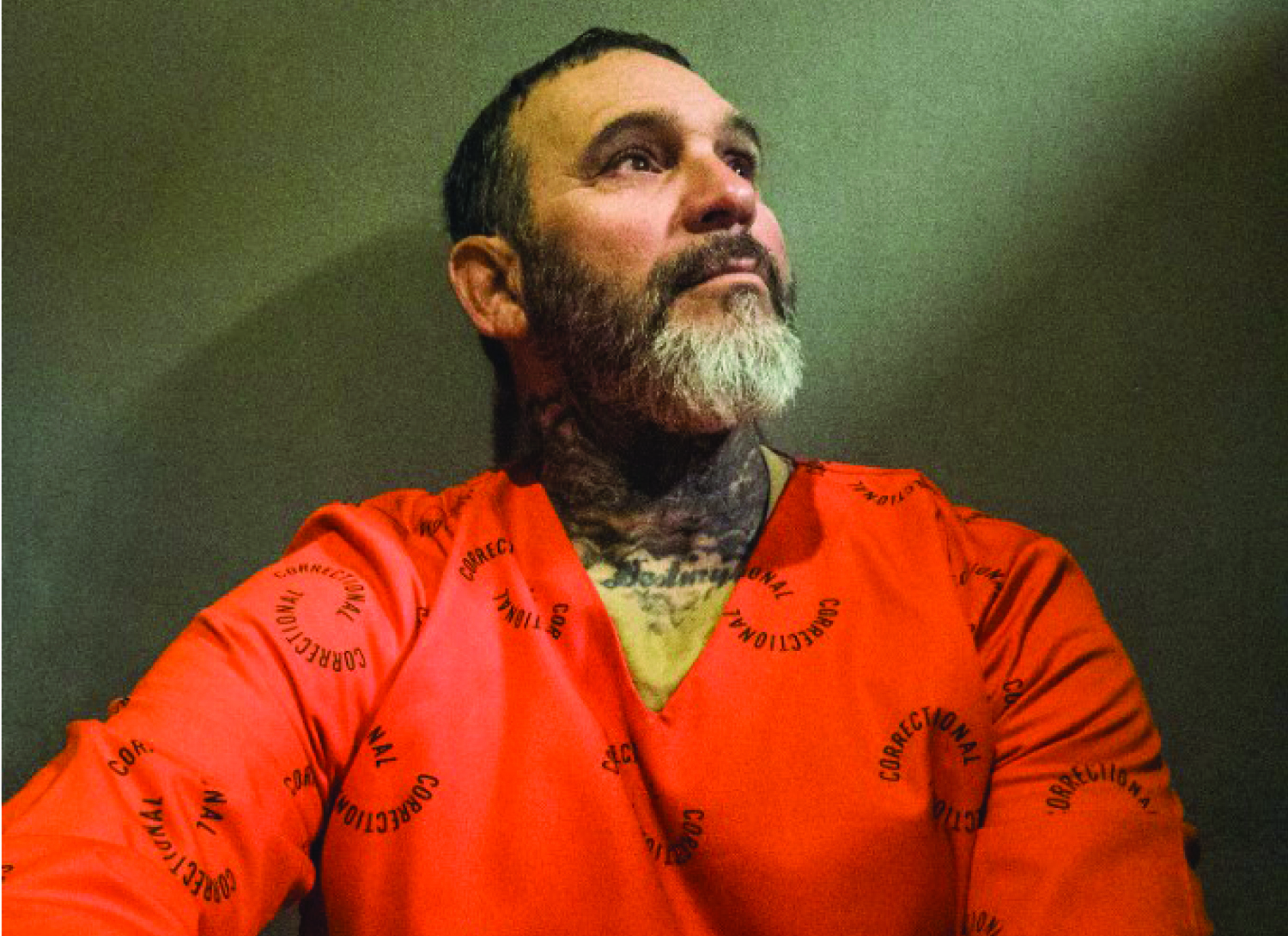
A Cuban national deported from the United States of America to Eswatini has reportedly spent more than a year at the Matsapha Correctional Centre without being charged with an offence in the kingdom.
This is according to a report by The New York Times which was published on Wednesday. In the report, journalist Nicholas Casey profiled Roberto Mosquera (59) whose case has become part of a wider and controversial US policy of sending some deportees to countries other than their countries of origin.
Mosquera, according to Casey’s account, had never heard of the kingdom before he was deported there in July 2025.
He had lived in the United States since he was 12, when he arrived from Cuba during the 1980 Mariel boatlift with his mother, sister and infant niece.
As a teenager, he became involved with a Miami gang and, in his 20s, allegedly accepted a plea deal after being charged with attempted murder following the shooting of another gang member in the leg.
The conviction could ordinarily have resulted in deportation. However, according to the New York Times report, Cuba was not cooperating with US deportations at the time, allowing Mosquera to remain in the country while reporting annually to immigration authorities.
He subsequently established a life in the United States. Casey reported that Mosquera became a specialist plumber, married and had four daughters and became a born-again Christian.
That life changed in June 2025 when he went to an immigration office to renew his work permit.
According to Casey, Mosquera expected the appointment to be routine because he had planned to use his employer’s truck to travel to a job afterwards. Instead, an immigration official informed him that his time in the United States had ended.
He was subsequently taken to immigration detention facilities in Miami and El Paso, Texas. Casey reported that Mosquera spent almost two weeks in El Paso without contacting his lawyers before being told to prepare for another transfer.
He was eventually flown out of the United States with four other detainees, whose nationalities he later learned were Jamaican, Laotian, Yemeni and Vietnamese.
The men were taken on a private aircraft before being transferred to a US military cargo plane in Djibouti. More than a day later, they arrived in Eswatini.
Casey reported that the men were transported to the Matsapha Correctional Centre, a maximum-security facility, where they were placed in custody.
The US Department of Homeland Security had described the five deportees as particularly dangerous criminals whose home countries were unwilling to take them back. However, the circumstances surrounding their continued detention in Eswatini have subsequently generated legal and human-rights questions.
The arrangement has involved approximately 30 third-country nationals being transferred from the United States to Eswatini since July 2025. Amnesty International reported in July that at least 30 people had been transferred under the arrangement, including 11 who arrived on July 8. The transfers have taken place in several groups.
The first five men, including Mosquera, arrived on July 15, 2025. A further 10 arrived in October, followed by four in March 2026. Eleven more arrived in July this year, according to rights groups and other reports.
The nationalities reported among the latest group included Angolan, Congolese, Kenyan, Jamaican, Cameroonian, Mauritanian, Belizean and Central African nationals. Third Country Deportation Watch has also reported that some of those transferred had previously obtained withholding of removal or protection under the Convention Against Torture in the United States.
Eswatini has maintained that the individuals are in the country temporarily and are awaiting repatriation to their countries of origin. In July, Justice and Constitutional Affairs Minister Prince Simelane told Parliament that the third-country nationals should not be regarded as prisoners, despite being accommodated at correctional facilities.
He said their status was temporary and that they were not being held as people serving criminal sentences in Eswatini.
The issue has also prompted legal proceedings in the country concerning the government’s acceptance and detention of the deportees. The New York Times report places Mosquera’s case within a much broader expansion of US third-country deportations under President Donald Trump’s second administration.
Casey reported that the United States had reached arrangements with numerous countries to receive people who are not nationals of those countries.
The US Department of Homeland Security, in a statement to The New York Times, maintained that deportees were afforded due process and defended the agreements as necessary for national security.
Meanwhile, human rights lawyer Sibusiso Nhlabatsi said Eswatini had found itself embroiled in a human trafficking mess, arguing that none of the deportees deserved to be held in custody.
Nhlabatsi said the arbitrary detention of people had long been condemned as a practice akin to the ‘law of the jungle.’
He argued that the deportees had served their sentences in the United States a long time ago and had subsequently been integrated into US society, only to be abruptly and, in his view, unjustly deported to Eswatini following a change in administration.
He said what was particularly painful was that the deportees had been branded as barbaric criminals, which he maintained was not an accurate representation of their circumstances.
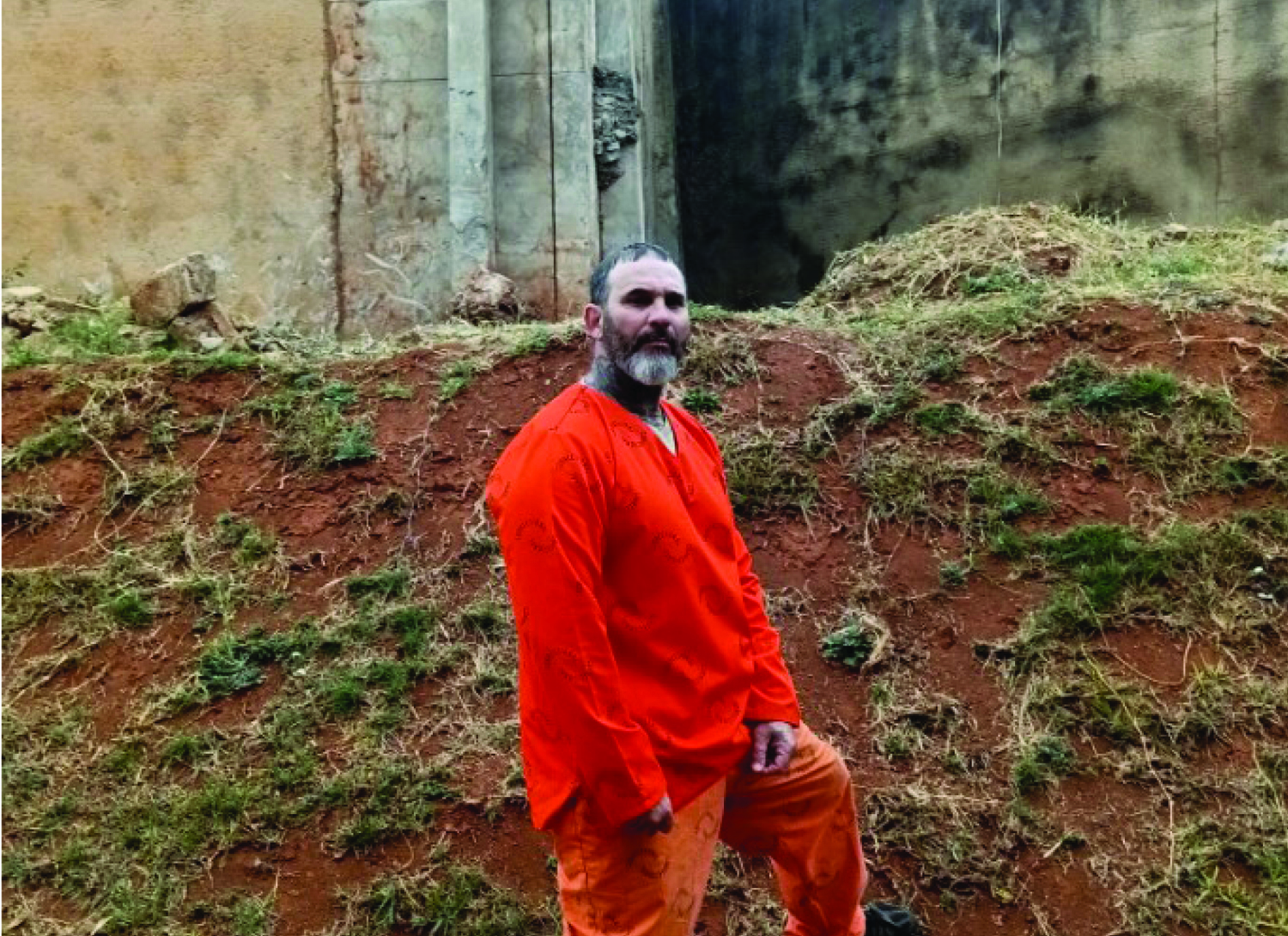
Nhlabatsi said the deportees would eventually seek redress through the courts over the manner in which they were being held.
‘DEPORTEES NOT SERVING PRISON SENTENCES’
GOVERNMENT has clarified that the third-country nationals deported from the United States and currently accommodated in Eswatini are not serving prison sentences in the kingdom.
Acting Government Spokesperson Thabile Mdluli said the circumstances of the individuals were not necessarily identical, but maintained that their presence in secure facilities should not be interpreted as them serving criminal sentences in Eswatini.
“The circumstances of the third-country nationals are not necessarily identical, but it is correct that they are not being held as prisoners serving sentences in Eswatini,” Mdluli said.
She explained that the individuals were being accommodated in secure facilities for security purposes and to ensure controlled accommodation.
Mdluli also declined to provide details about the identities or individual circumstances of the third-country nationals, citing privacy, security and legal considerations.
“Their individual identities and personal circumstances are treated with due regard for privacy, security and applicable legal requirements,” she said.
Government’s clarification comes amid renewed scrutiny of Eswatini’s role in receiving people deported by the United States to countries other than their countries of origin.