



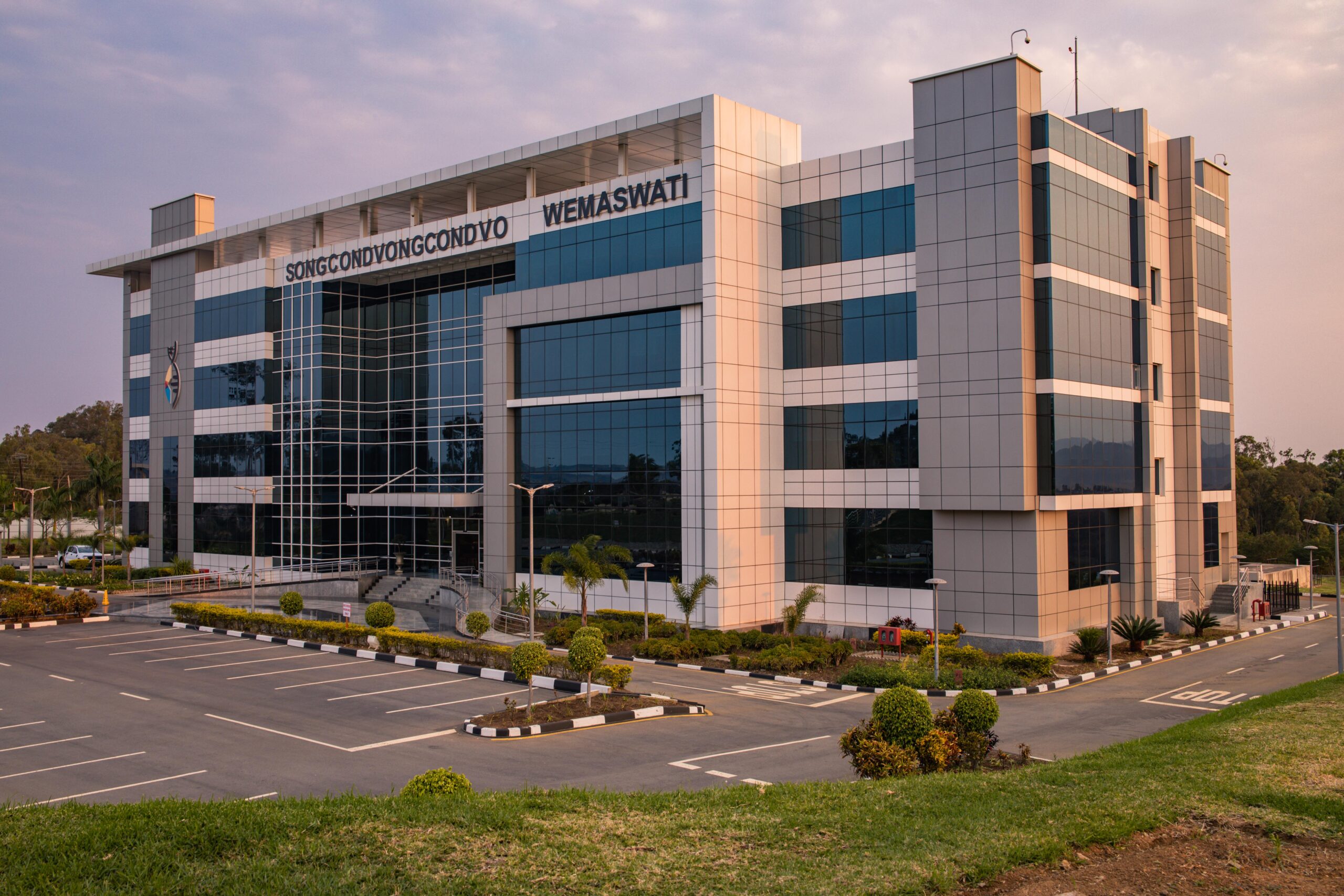
Insiders at the Royal Science and Technology Park (RSTP) say years of governance failures have come home to roost, pointing to three years without a substantive CEO, unresolved cyber-security and funding problems, and dwindling technical expertise as factors behind the crisis disrupting government’s digital infrastructure.
Sources familiar with the Park’s operations say the latest disruption is not an isolated technical failure, but the consequence of vulnerabilities that were known within the institution long before government systems ran into trouble again.
They point to security and networking licences that elapsed, dwindling technical expertise and persistent funding shortfalls as problems that steadily weakened the institution’s ability to manage and protect critical government infrastructure.
“None of what is happening now is rocket science. These are issues that have been raised before,” said one source working at RSTP, who commented on condition of anonymity as they are not allowed to speak on behalf of the organisation.
RSTP has been without a substantive chief executive since the non-renewal of former CEO Vumile Dlamini’s contract in July 2023, cycling through three acting CEOs in as many years.
Dr Andile Meftula initially took over before leaving after reaching the statutory six-month limit for acting appointments, followed by Chief Financial Officer (CFO) Nomvula Shongwe-Gulwako, who simultaneously carried the CFO and acting CEO roles until her acting instrument expired.
Madoda Mdziniso then became the third acting CEO.
An earlier recruitment process had identified Zimbabwean Jeremiah Munembe as the Board’s preferred candidate, but Cabinet rejected the recommendation, with Minister of Information, Communication and Technology Savannah Maziya later telling Parliament that the decision was because Cabinet saw it fit that strategic leadership positions should prioritise locals.
The Board subsequently restarted the recruitment process, extending a leadership vacuum that has now persisted for more than three years.
According to the insiders, security and networking infrastructure requires continuous licensing, maintenance and specialist oversight, yet some of those requirements have remained unresolved despite their importance to the systems on which government depends.
Central to their concerns are Cisco licences previously used as part of the infrastructure protecting and operating government networks. Sources say warnings about the need to maintain those systems have existed for some time, yet the underlying problems have persisted.
“This was the same issue last year when government systems experienced prolonged disruptions affecting services including revenue collection, vehicle registration and tender processing,” they explained.
At the time, RSTP insiders warned that cyber-security safeguards had deteriorated after licences for critical systems were not renewed. They said the resulting weaknesses exposed government infrastructure to increasingly serious cyber risks.
They went as far as warning that ransomware could eventually become a threat if the vulnerabilities were not addressed. The latest incident, however, is not ransomware, according to RSTP.
RSTP Senior Communications Manager Senzo Malaza confirmed that the current problem was not a ransomware attack, but said he could not provide further details while the matter remained unresolved.
The insiders said this was significant as describing the broader crisis simply through the language of ransomware risked obscuring the deeper question: why critical government infrastructure has repeatedly reached a point where serious failures CAN OCCUR?
For the sources, the answer lies largely in how RSTP has been governed, funded and technically managed.
They pointed particularly to what they described as a dangerous gap between the specialised technology entrusted to the institution and the technical capacity available within its present management structure.
The insiders said the acting CEO and CFO, who effectively constitute the institution’s senior management, are not technical specialists in the systems at the centre of the crisis.
Their concern is not simply about professional titles, they stressed, but whether an institution responsible for some of the country’s most sensitive digital infrastructure has sufficient specialist expertise embedded at the highest operational level to interrogate technical risks and ensure warnings are acted upon.
The concern is not new. During last year’s network crisis, sources told this publication that RSTP had lost much of the expertise that previously maintained its infrastructure following the departure of trained engineers and technical partners.
One insider illustrated the problem at the time with a simple analogy: sophisticated Cisco infrastructure could not be maintained merely by having general information technology personnel available. It required engineers with the appropriate certification, system knowledge and access.
Engineers from Eswatini Posts and Telecommunications Corporation (EPTC) and MTN Eswatini were subsequently brought in to assist, according to information received by this publication, yet sources said their intervention was constrained by limited knowledge of RSTP’s complete system architecture.
What was presented then as an immediate technical problem, insiders now argue, should have triggered a much broader examination of the institution. Instead, they say many of the same vulnerabilities remained.