UNITED Nations Resident Coordinator in Eswatini George Wachira says the Matsapha–Mbabane–Manzini corridor accounts for 90% of the country’s economy, highlighting the concentration of economic activity in the area.
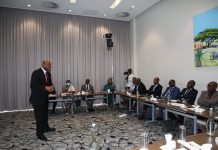
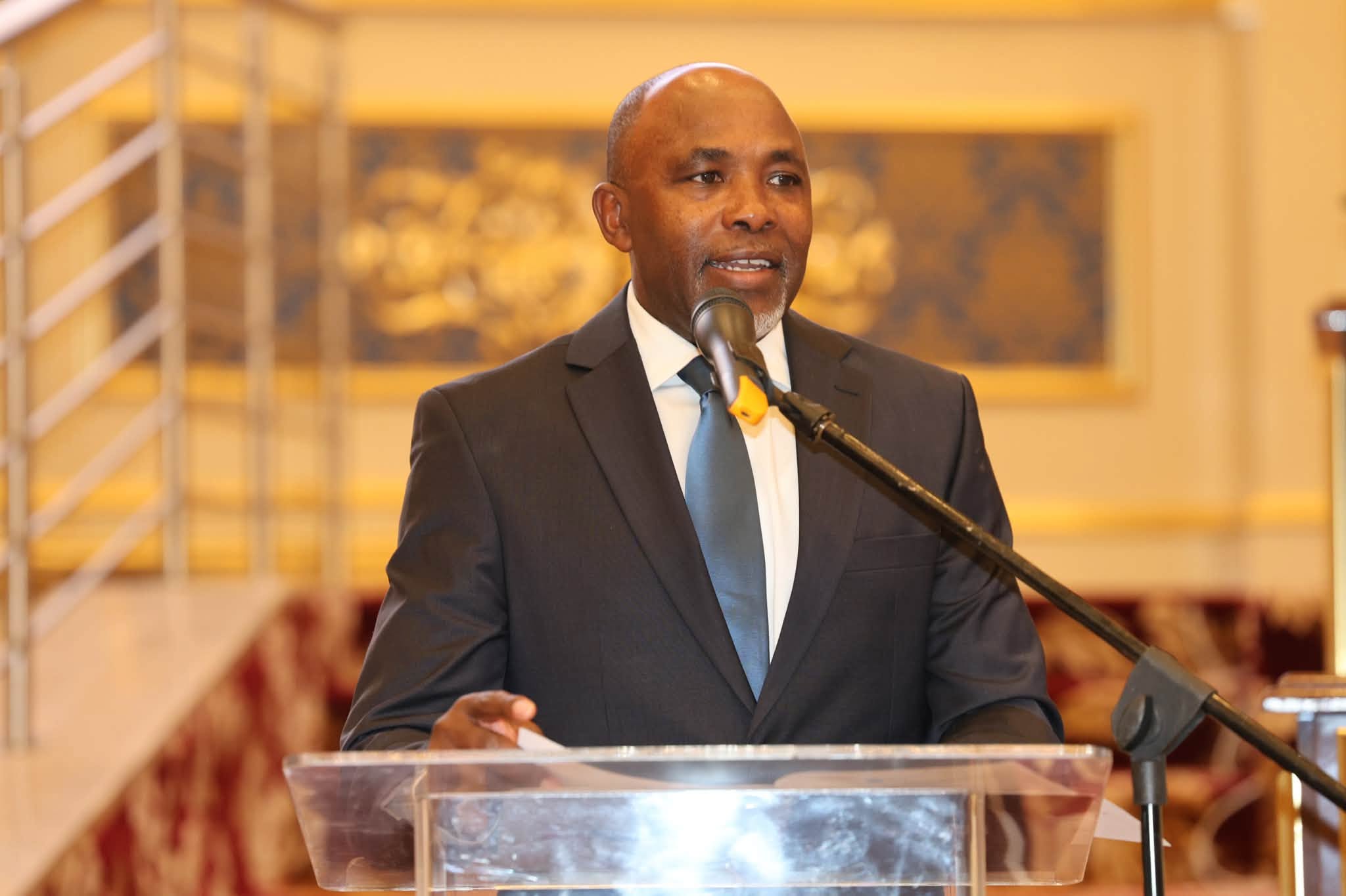
Wachira made the remarks during the second edition of the Eswatini Urban Forum held at Ezulwini Palazzo yesterday, where he addressed the country’s urban development and planning needs.
He said the country’s growth was concentrated around the Mbabane–Manzini corridor, with much of the expansion taking place outside town boundaries in peri-urban areas and on Swazi Nation Land.
Wachira said the kingdom was urbanising at about 2.7% annually and was projected to reach 35% urbanisation by 2050.
He said the country’s current pace of urbanisation provided an opportunity to plan ahead for future growth and address challenges linked to the expansion of settlements.
The UN resident coordinator said urbanisation was increasing across Africa, with the continent’s urban population expected to grow from 700 million to 1.4 billion by 2050.
He said more than half of Southern Africa’s population already lived in urban areas, with the proportion projected to reach about 75% by the middle of the century.
Wachira said urban growth increased demand for housing, infrastructure and services, including water, sanitation, roads as well as safe public spaces.
He also identified land governance, urban planning and municipal financing as areas requiring attention in Eswatini.
He said the country was still working with the Town Planning Act of 1961 and needed to assess its planning requirements in response to changing urban development patterns.
Wachira said land governance required a comprehensive system that linked planning processes, while local authorities needed sufficient revenue to support planning and improve the quality of life in their communities.
He called for the use of ongoing land policy revisions to guide development in peri-urban areas, the completion of a planning framework, stronger municipal finances and the upgrading of existing settlements to prevent the growth of informal settlements.
Wachira also highlighted the ministry of housing and urban development’s 2025–2030 strategic plan, which aims to expand affordable housing, upgrade informal settlements and digitise land records.
He said settlements in Mbabane and Manzini had been upgraded to 99-year leases under the Urban Development Project.
“The United Nations was supporting Eswatini through policy advice, data systems and international experience to help guide urban development,” he said.
He added that UN-Habitat had become one of the 21 signatories to the UN Sustainable Cooperation Development Framework for Eswatini for 2026–2030.
Wachira said the country had an opportunity to plan for future urban growth by strengthening its planning systems and preparing for the demand for housing, services and economic opportunities.