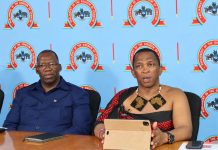
Government is yet to remit the E200 million it promised to cushion citizens against electricity tariff increases, a commitment that could have reduced the latest proposed tariff adjustment by approximately 2.5 percentage points.
The funding was announced by Prime Minister Russell Mmiso Dlamini on March 11 with E100 million earmarked for 2026 and another E100 million for 2027. The money was intended to be channelled through the Eswatini Energy Regulatory Authority (ESERA), which would work with the Eswatini Electricity Company (EEC) to determine how the intervention would benefit electricity consumers.
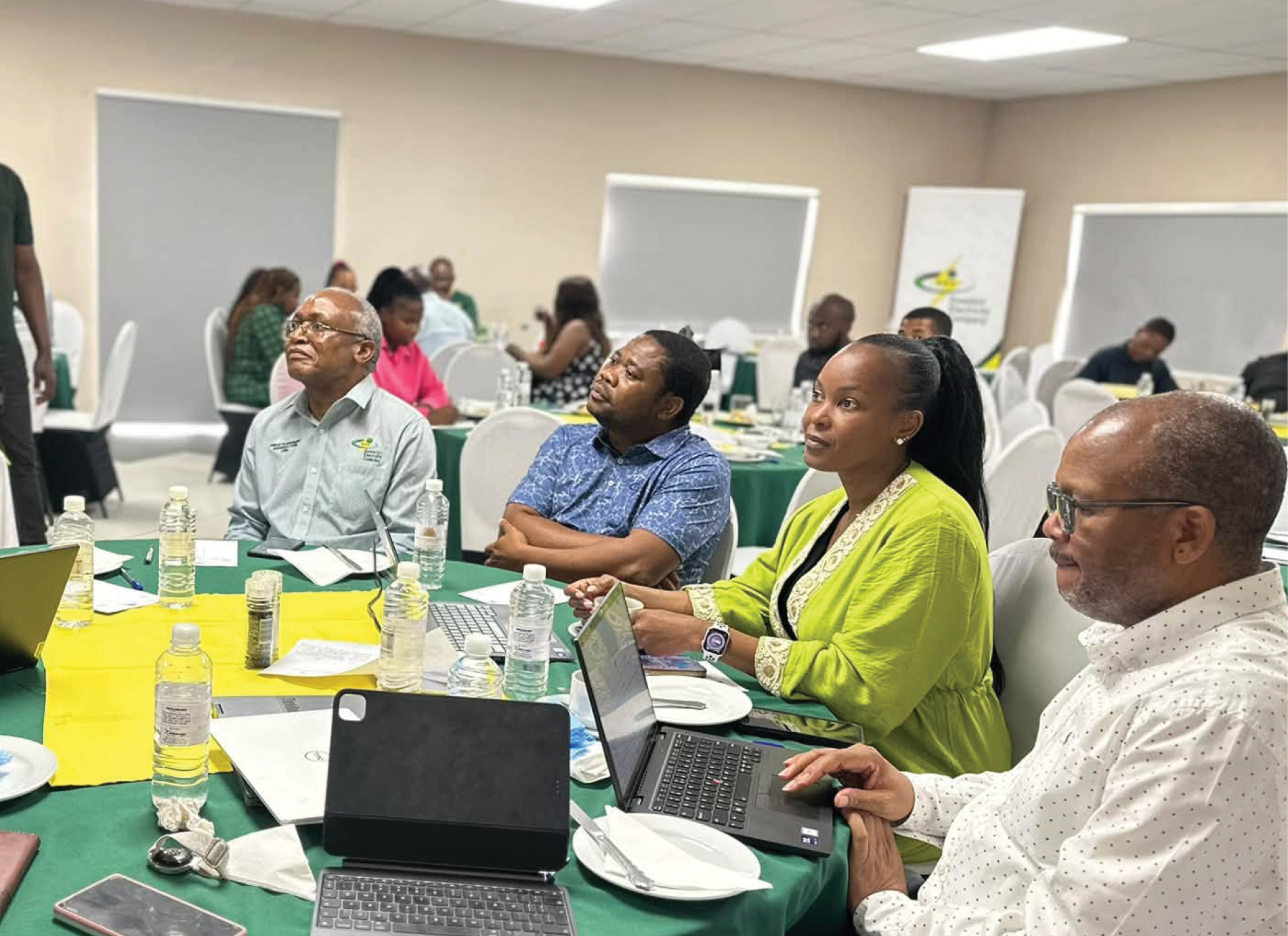
During the EEC media briefing at Mountain View Hotel in Mbabane yesterday, General Manager Research and Development Mpumuzi Maziya explained that the funding would have made a difference to the company’s latest tariff application.
It was explained that had the E200 million been made available, EEC would have sought an average increase of approximately 16% instead of the proposed 18.38% for 2027/28.
This represents a difference of about 2.5 percentage points in the proposed adjustment.
Government’s commitment was made against the backdrop of rising electricity costs and concerns about the effect of tariff increases on households and businesses.
The two-year allocation was intended to provide relief over the 2026/27 calendar years, rather than constitute a permanent subsidy to electricity consumers.
EEC’s presentation also reflected E333.5 million in government support yet to be received as part of the company’s financial shortfall for the 2025/26 financial year.
The presentation placed the company’s overall shortfall at E449.7 million, with higher electricity import costs also contributing significantly.
Electricity becoming a luxury for the elite – Nation editor
Electricity in Eswatini is increasingly becoming a luxury for the elite rather than an essential service for ordinary citizens.
This is according to The Nation Editor-in-Chief Bheki Makhubu, who has challenged the country’s power utility over the affordability of electricity.
Makhubu described the cost of electricity as ridiculously high, questioning what it would take for the country’s leaders to recognise the seriousness of the situation and the continued deterioration in affordability.
He raised the concerns during the Eswatini Electricity Company (EEC) media briefing on its proposed tariff increases for the 2027/28 and 2028/29 financial years, where members of the media were given an opportunity to interrogate the company’s application.
Makhubu questioned whether ordinary consumers should continue carrying the burden of rising electricity costs, particularly when government commitments intended to cushion consumers have yet to be fulfilled.
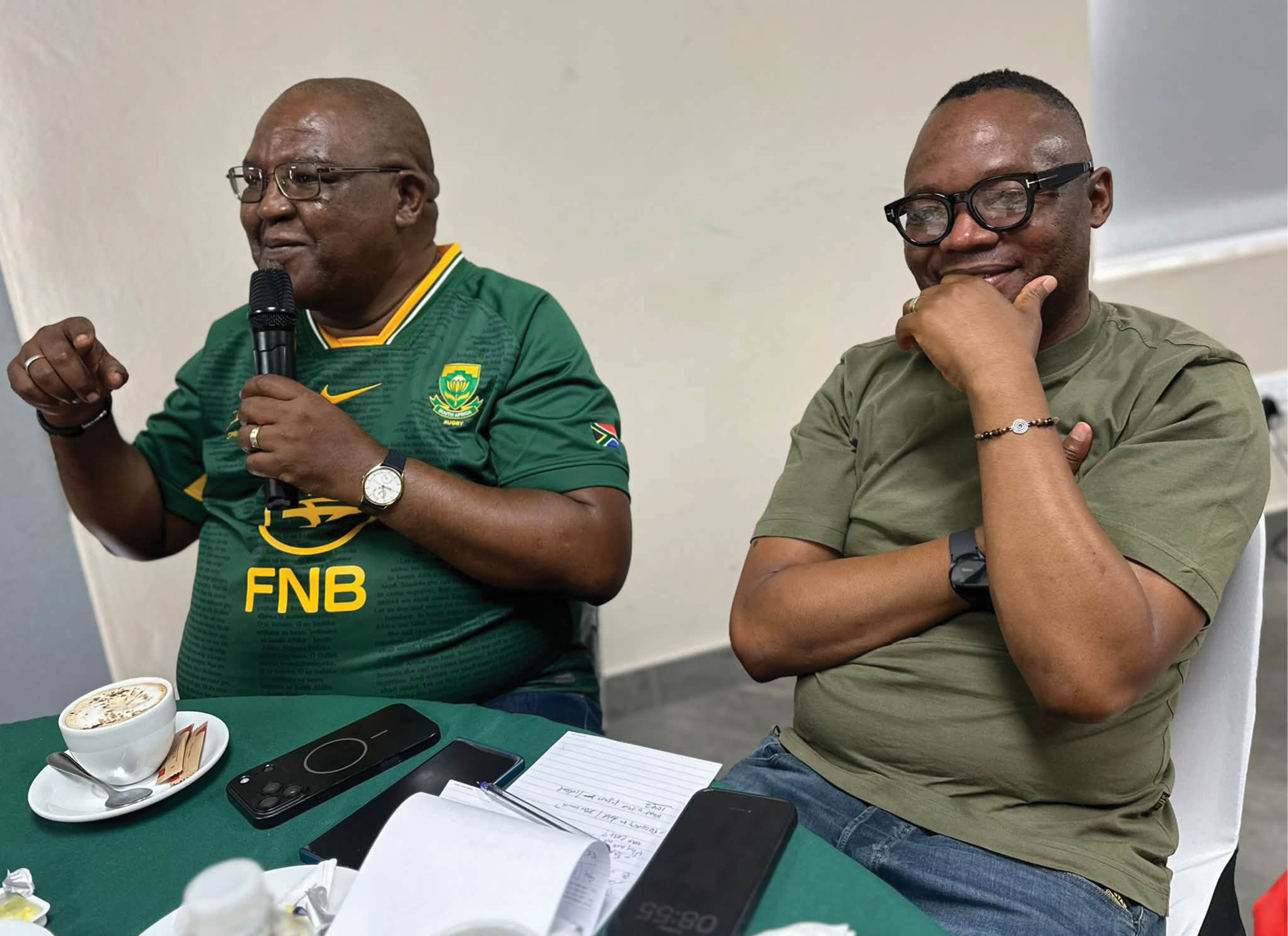
during the EEC media briefing while Eswatini Observer acting
Managing Editor Mbongeni Mbingo listens.
He also raised concerns about the reliability of electricity supply and the implications of the proposed increases for future generations. His concerns were echoed by other media editors, who questioned different aspects of EEC’s financial management, future generation plans and the impact of electricity costs on businesses.
Eswatini Observer acting Managing Director Mbongeni Mbingo questioned how much money EEC was owed by customers and whether stronger debt collection measures could help ease the pressure on tariffs.
He raised the possibility of improving revenue collection from customers instead of relying heavily on tariff increases to meet the company’s financial requirements.
Meanwhile, Independent News Editor Mfanasibili Sihlongonyane said businesses were bearing the brunt of rising electricity costs and asked EEC on how it intended to meet businesses halfway.
He questioned the extent to which the utility could accommodate the challenges faced by businesses struggling with the cost of electricity.
Swazi Mirror Founder and Editor-in-Chief Charles Matsebula also questioned the taxation of electricity, saying that according to his understanding, electricity should not be subjected to such taxation.
His submission raised further questions about the additional charges consumers face beyond the basic cost of electricity.
The discussions also extended to the country’s long-term electricity generation prospects.
Eswatini Editors Forum Secretary General Jabu Matsebula sought an update on EEC’s proposed thermal power project, which had previously been presented as a possible route towards generating surplus electricity and potentially supplying neighbouring countries.
Responding, Maziya said studies had been undertaken and procurement processes were ongoing. He also pointed to efforts by a ministerial team to accelerate progress on the power plant component.
The project has been discussed since at least December 2020, raising questions about when Emaswati can expect to benefit from it.
Inside Biz Eswatini Editor-in-Chief Ntokozo Nkambule also challenged EEC to provide consumers with a clearer picture of the country’s electricity future over the next five to 10 years.
He questioned whether projects currently underway would translate into meaningful improvements in electricity affordability or whether consumers should prepare for continued tariff increases.
The editors’ submissions came as EEC seeks average tariff increases of 18.38% for 2027/28 and 14.68% for 2028/29.
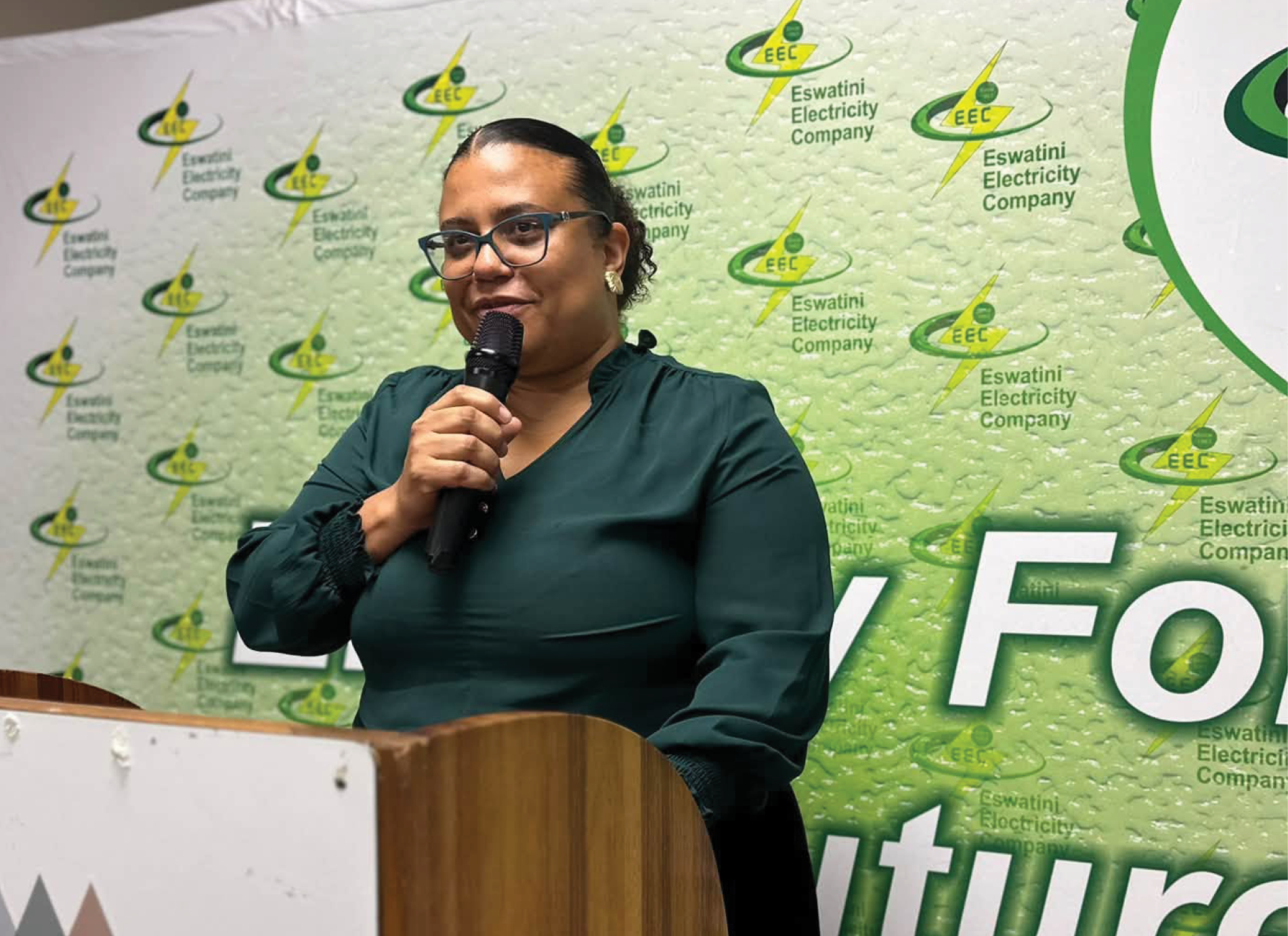
Stromvig appointed acting EEC MD
The Eswatini Electricity Company (EEC) has appointed Candy Stromvig as acting managing director (MD), following her secondment by government to lead the utility while recruitment for a substantive head of the company continues.
The appointment, announced by the EEC board of Directors, took effect immediately.
In a public statement, the board said internal candidates had also applied for the substantive MD position, but prudence and fairness required the appointment of an external individual to serve in an acting capacity while the recruitment process was underway. Stromvig was described as an experienced energy-sector professional with more than 20 years of experience spanning engineering, energy policy and leadership.
The board expressed confidence that she would provide the leadership needed to advance the company’s strategic and operational objectives during the transition. In her keynote address at the EEC media tariff briefing held at Mountain View Hotel in Mbabane, Stromvig said her priority would be to maintain stability, continuity and effectiveness while the recruitment process for a substantive MD takes place.
She said she intended to work with the executive management team to sustain progress in operational discipline, financial accountability and customer service.