



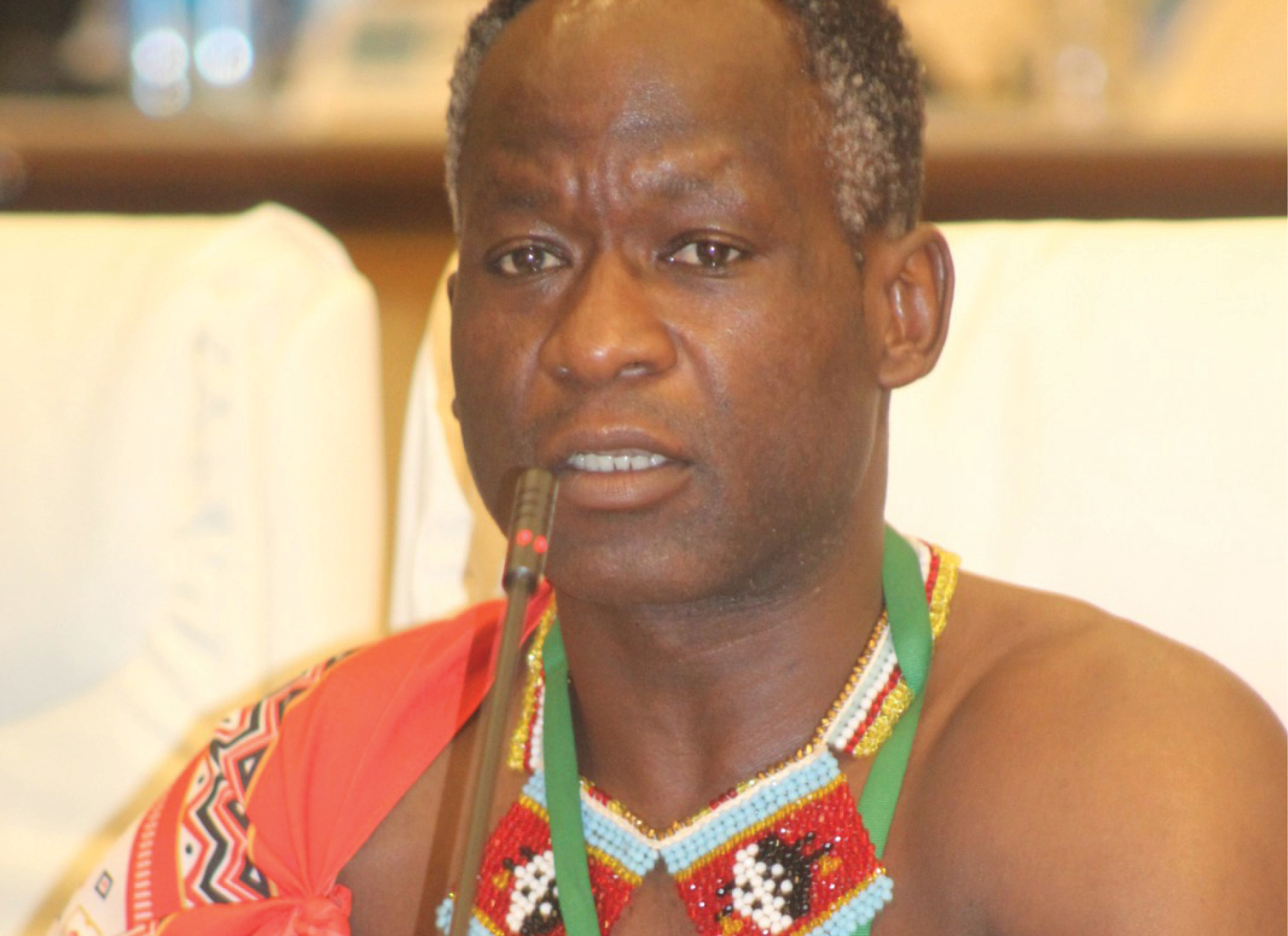
LOBAMBA Member of Parliament Michael Masilela says there are no longer sugar daddies and sugar mommies in Eswatini.
This was shared by MP Masilela during the deliberations and recommendations session after government and civil society groups presented during the symposium on child marriages yesterday chaired by Eswatini.
This was on day three of the 59th session of the Southern African Development Community (SADC) Parliamentary Forum Plenary Assembly held at Ezulwini, where speakers and heads of delegation from Member States gathered.
MP Masilela said there were no more issues of elders dating school children in the country because they know there is a law called the Sexual Offences and Domestic Violence (SODV) Act. He said there was no way one could date a child in the country.
“I will tell you this. In Eswatini we no longer have sugar daddies and sugar mommies. There are no more issues of dating school kids because one knows very well that there is a law that we call SODV,” he said.
Masilela said Section 29 of the Constitution gives rights to children. Children have a right to be properly cared for by parents or lawful authorities.
He said the country also has the Children Protection and Welfare Act of 2012. These are very effective legislations, he stated.
He said these were strides made by government to eradicate problems that children might face.
“Eswatini has ratified the African Charter on the Rights and Welfare of the Child, and this has been done through the clearly defined model laws from SADC as we are here today and maybe with the universal cooperation with the UN as well,” he said.
He asked if corporal punishment was still allowed. He said the issue was still in Parliament and they were debating it. He then appreciated government for the mopping exercise as many children did not have birth certificates.
“In Eswatini, a child is not a property. A child cannot be made a wife or be employed. The law is clear. If you touch a child, you will go to jail even if the child said yes and the parents agreed for the marriage under 18. You go to jail,” he said. He said government has tried to protect children with the help of SADC.
Child marriage now at 3.6%
CHILD marriages are declining in Eswatini, with the incidence dropping from 4% to 3.6% in the past five years.
This was revealed by Director Gender and Family Issues Nomzamo Dlamini during a presentation on government’s perspective on child marriages at the symposium, which is part of the 59th South African Developing Community (SADC) Parliamentary Forum held at the Ezulwini Palazzo.
The symposium was chaired by Acting Deputy Prime Minister Sikhumbuzo Dlamini. Nomzamo highlighted the legal, policy and programme interventions that have contributed to the decline.
She said Eswatini has strong legal frameworks to protect children, including the Constitution of 2005, whose Chapter 3 recognises fundamental rights and freedoms of individuals, the Children Protection and Welfare Act of 2012, which establishes rights and protection of children, including protection from harmful practices, and the Sexual Offences and Domestic Violence Act of 2018, which protects men, boys, girls and women from all forms of violence.
The director said Section 43 of the Sexual Offences and Domestic Violence Act specifically criminalises child marriage. She said the Persons with Disability Act of 2018 also provides for the rights, dignity, accessibility and participation of persons with disabilities.
“These laws align with international and regional commitments, including the Convention on the Rights of the Child, the Convention on the Elimination of All Forms of Discrimination Against Women, the Maputo Protocol and the SADC Protocol on Gender and Development,” she said.
To operationalise the laws, government has developed policy frameworks, including the National Gender Policy of 2023, the National Disability Policy, the National Child Policy and the National Strategy on Ending Gender-Based Violence 2023 to 2027.
There was also a National Plan of Action for Children 2023 to 2027, the National Disability Plan of Action 2024 to 2038, and a costed national plan to guide implementation and resource mobilisation.
Dlamini noted that interventions also target the general population, including parents, teachers, community members, traditional authorities, faith-based organisations, legislators, children, especially adolescents, including men and boys.
“Child marriage interventions are not carried out in isolation, but are embedded in programmes addressing gender-based violence and violence against children, including advocacy around the Sexual Offences and Domestic Violence Act and the Children Protection and Welfare Act,” she said.
Government and partners also integrate child marriage issues in areas such as STEM, climate change and the Women, Peace and Security Action Plan currently being developed.
She added that other programmes include educational sessions for parents, traditional leaders, community service providers and faith-based organisations, and girls and boys empowerment clubs where young people are taught about teenage pregnancy, child rights, self-worth, leadership and confidence building.