


GOVERNMENT has assured the nation that it will respond to the 13.61% electricity tariff increase approved by the Eswatini Energy Regulatory Authority (ESERA) last week.
This follows ESERA’s announcement of an average tariff rise of 13.61% for the Eswatini Electricity Company (EEC), effective from April 1.
The regulator explained that while the average increase is 13.61%, domestic tariffs will rise by 17.23%. Corporate time-of-use and non-time-of-use customers will also face a 17% increase in energy charges.
In addition, demand charges will go up by 17%, while facility and access charges will rise in line with the approved inflation rate of 4.68%.
EEC had initially proposed a 20.67% tariff increase before ESERA’s decision.
ALSO READ | SNAT to Defend 39 Top-Up Headteachers
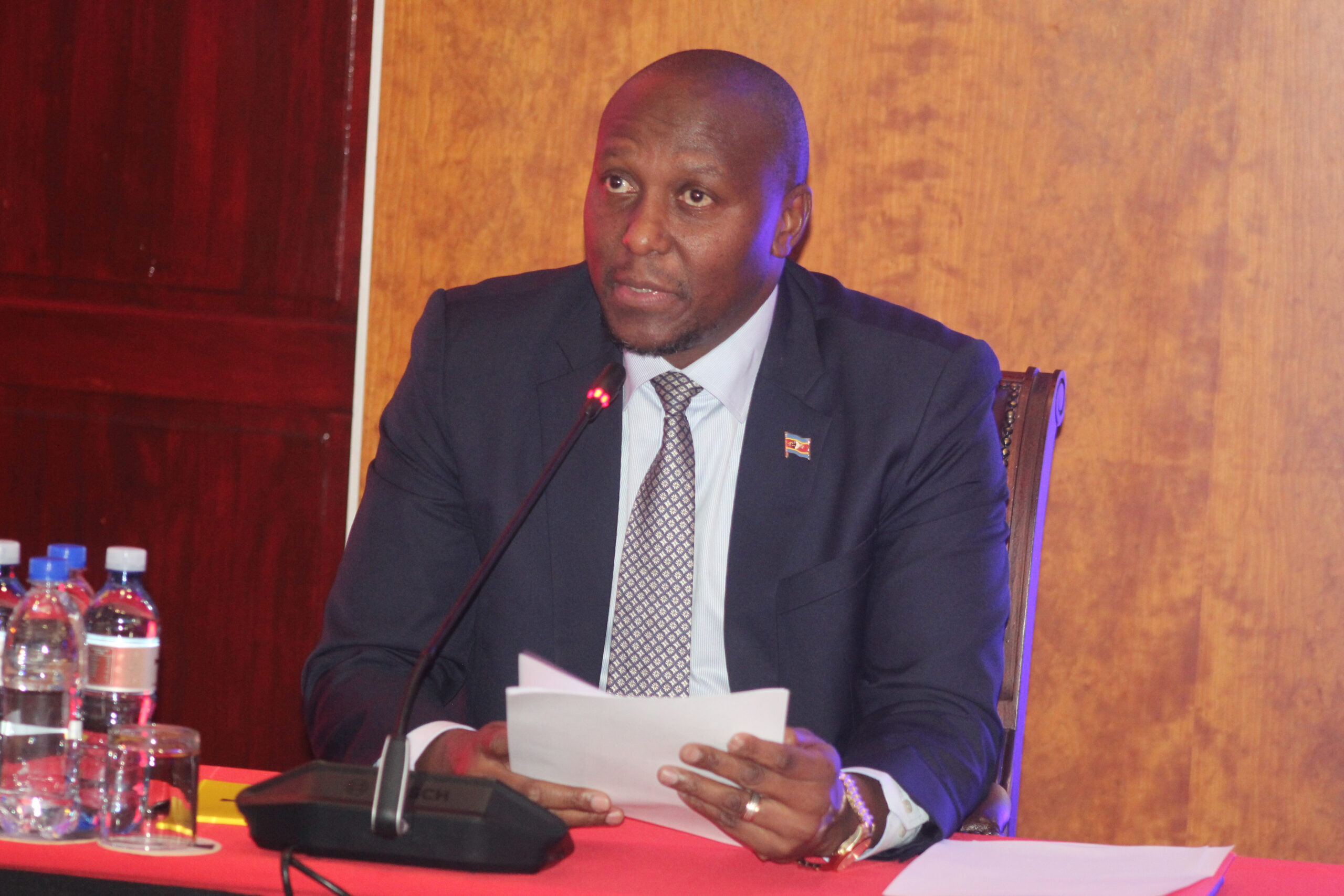
Prime Minister Russell Mmiso Dlamini said government would soon issue a statement addressing the public on the increase in electricity prices.
“It will not be long before we issue a statement addressing the issue of electricity prices in the country,” he said.
The PM was responding to a question from the media, which noted that while over 80% of homes in the country were connected to electricity, affordability remained a major concern.
He was further asked about public outcry over electricity prices and whether the issue had been discussed during sessions at the 4th Annual Global Council for Political Renewal in Cape Town last week and the 39th Ordinary Session of the African Union.
“The meetings we had were mostly focused on water. We know that water is used to drive development in a country.
“For example, Lesotho has constructed many dams, which are a consistent source of revenue. In Lesotho, water is used for food production and irrigation, which is something we are also doing locally to help boost the economy,” he said.
He added that government was also considering generating electricity from water sources in the country, noting that about 30% of electricity was produced locally while the rest is imported from South Africa. Dlamini said most of the electricity generated locally uses water.
“We are doing something relevant. Looking at Ethiopia, they took 12 years to construct a dam estimated at E80 billion, which is now generating more than enough electricity for the whole of Ethiopia,” he said.
Dlamini said this showed that the kingdom was not behind in generating its own electricity using dams.
Public keen on govt’s response
AFTER the premier revealed that government will issue a statement on the electricity tariffs, members of the public said they are keen on government’s response on the matter.
Some hoped government would cancel the increase, while others anticipated that it would be reduced from the 13.61%. Some on social media urged the prime minister to intervene.
Mpulelo Mncina said she was waiting for the day the government’s statement would be made, expressing hope that it would bring change. Tandzi Ngwenyama added that they were anticipating the announcement with trust and optimism.
Mbuso Zwane urged government to intervene, stressing that electricity and water were basic human needs.
“We are really struggling. Think about child-headed families, the elderly poor and the unemployed. Government should subsidise electricity and water,” he said.