


School transport operators popularly known as Bomalume have come under scrutiny amid allegations that some are exploiting schoolchildren to smuggle drugs and evade police detection.
The startling allegations were raised by Manzini Prevention Officer Constable Mandisa Dhladla during a two-day capacity building workshop for community police under the Manzini North Inkhundla on Friday.
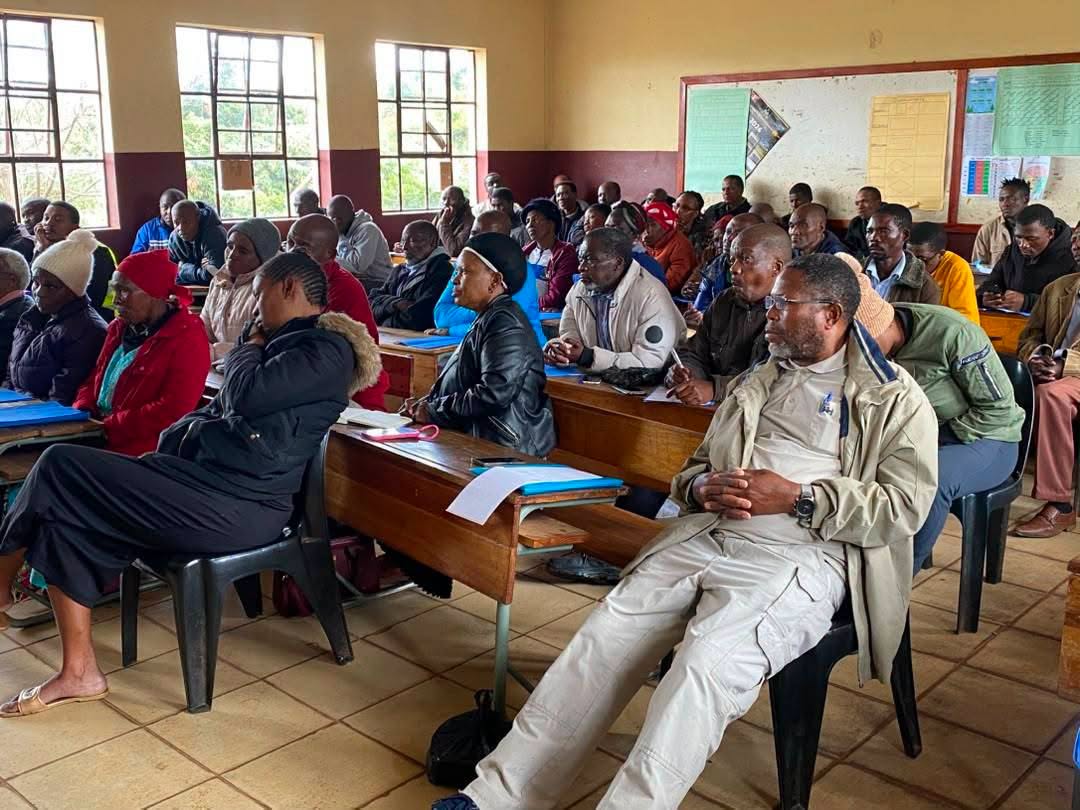
The workshop, held at Manzini Infant Practising Primary School, was organised by the Manzini North Inkhundla Council under the leadership of Member of Parliament Sifiso ‘Mashayinkonjane’ Nhlengethwa as part of efforts to strengthen community participation in crime prevention.
The training sought to equip community police with a better understanding of their responsibilities, particularly their role in identifying, preventing and reporting criminal activities within their communities.
Dhladla used the platform to caution parents against blindly entrusting their children to Bomalume without knowing who they are or how they conduct themselves.
Bomalume generally refers to informal school transport operators who ferry learners to and from school, often using private vehicles such as Honda Fit and Toyota Noah.
According to Dhladla, some parents simply deposit transport fees into the accounts of these operators without ever meeting them or establishing the identity of the person driving their children, the vehicle being used or the conditions under which the children are transported.
She alleged that in some cases, Bomalume load drugs into children’s schoolbags, using the learners as unsuspecting couriers in an attempt to evade law enforcement officers.
Dhladla described the allegations as deeply concerning and urged community police to sensitise parents about the need to exercise greater vigilance over their children’s movements and the people they entrust with their safety.
She further alleged that some Bomalume drank alcohol and smoked in the presence of learners, potentially exposing children to habits they may eventually imitate.

Parents were, therefore, encouraged to familiarise themselves with their children’s transport operators and maintain close oversight of their daily journeys to and from school.
PARENTS LOCK DISABLED CHILDREN IN HOUSES
Meanwhile, the workshop also highlighted another disturbing social concern involving children with disabilities.
A community police identified only as Mkhonta, speaking on behalf of the participants, alleged that some parents locked children with disabilities inside rented houses in Manzini North while they go to work.
According to Mkhonta, some parents allegedly resort to this because of the stigma and embarrassment associated with having children with disabilities.
He said some of the children were consequently denied opportunities to attend day-care facilities and were instead left alone in their homes for prolonged periods.
Mkhonta alleged that some children had sustained injuries while attempting to prepare food for themselves in their parents’ absence.
However, he cautioned community police against responding to such cases by taking the law into their own hands. He urged them to report suspected cases of neglect or abuse to the police rather than assaulting alleged perpetrators.
Mkhonta explained that assaulting suspects could jeopardise criminal proceedings and make it difficult for the courts to successfully prosecute cases.
He said the training had helped community police understand the limits of their powers and reinforced the importance of allowing the police and courts to deal with alleged offenders.
He also expressed appreciation for the police’s efforts to formally recognise and capacitate community police, saying the initiative had changed their perception of themselves.
He said they previously regarded themselves merely as whistle-blowers, but now viewed themselves as an extension of the police service in their respective communities.