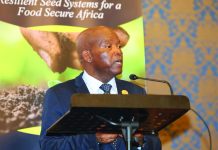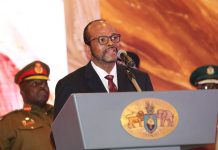



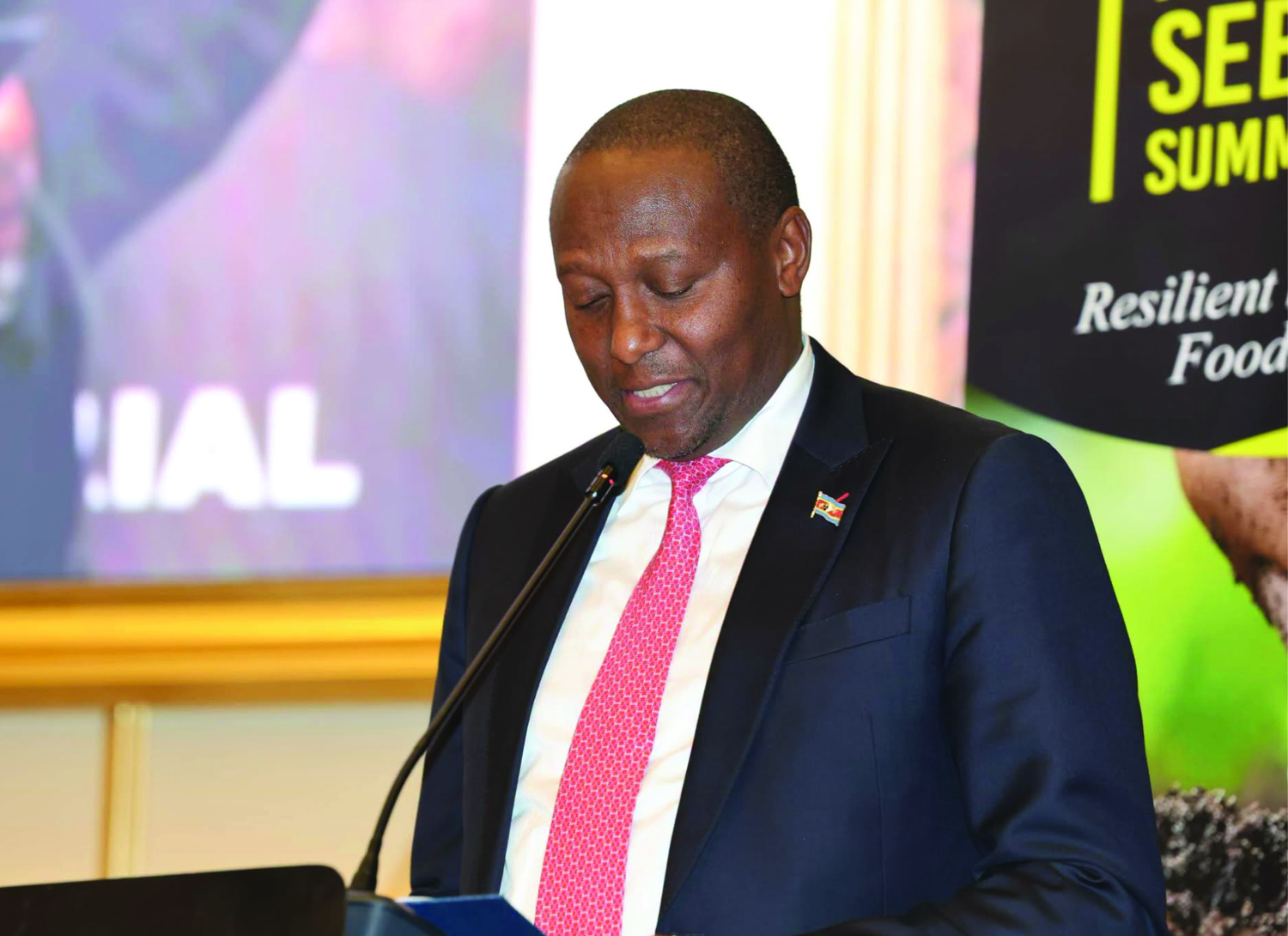
PRIME Minister (PM) Russell Mmiso Dlamini says Africa must embrace science and technology to transform its agricultural sector, while ensuring that innovation does not compromise the continent’s food sovereignty.
Dlamini said African countries needed to invest more in agricultural research, better-equipped laboratories, universities and biotechnology to improve agricultural productivity, nutrition and climate resilience.
He was speaking yesterday when he officially closed the inaugural African Union Africa Seed Summit in Ezulwini, where he challenged governments to ensure that advances in science and technology serve farmers and communities rather than create new forms of dependency.
“Africa must embrace science and technology. We need stronger agricultural research, better laboratories, stronger universities and greater investment in biotechnology,” Dlamini said.
However, the premier cautioned that technology should remain a tool for improving people’s lives and not become a source of dependency on external suppliers.
“Technology must remain the servant of humanity and never become its master,” he said.
Dlamini said innovation that strengthened farmers, improved nutrition as well as productivity, and enhanced resilience to climate change should be encouraged. At the same time, African countries should scrutinise systems that could leave farmers perpetually dependent on external seed suppliers.
“Africa must embrace science without surrendering sovereignty,” he said.
His remarks came as the summit focused on strengthening Africa’s seed systems and ensuring that the continent retains control over the genetic resources that underpin its food security.
The PM said private enterprise, innovation, science and responsible biotechnology all had an important role to play in increasing agricultural productivity, but commercial interests should not take precedence over the fundamental obligation of feeding people.
He said the affordability and accessibility of seed were central to food security, warning that farmers who could not afford seed could not plant, resulting in a chain of consequences leading to poverty and hunger.
The prime minister also warned that Africa risked losing an important part of its agricultural heritage as indigenous seed varieties cultivated over generations gradually disappeared. He said these varieties contained genetic diversity, traditional knowledge and adaptations to African soils and climates, making their preservation essential.
Dlamini called for stronger national, regional and continental seed banks, community seed systems and increased investment in African agricultural research, with farmers playing a role in preserving indigenous varieties. He further urged governments to review laws and policies governing seed ownership, plant breeders’ rights, biodiversity, genetic resources, indigenous knowledge and farmers’ rights.
He said the Ezulwini Declaration on Seed Sovereignty and Resilience adopted at the summit should not remain a conference document.
“Do not allow this summit to become another conference whose declaration is adopted and then forgotten,” the PM said.
He challenged governments to take the declaration to their Cabinets as well as Parliaments and translate its commitments into laws, policies, budgets and institutions.
Dlamini said Africa should build national seed reserves, strengthen community seed banks, protect indigenous varieties, fund research institutions, support farmers and develop resilient domestic seed industries.
He said the continent had the resources needed to build a food-secure and prosperous future, including agricultural land, biodiversity, water resources, human ingenuity and indigenous knowledge.
“Africa’s future is bright, but that future must be deliberately built. Potential must become production. Resources must become prosperity. Land must produce food. Knowledge must become technology. And sovereignty must become responsibility,” he said.
He expressed hope that the Ezulwini Declaration would ignite a continental movement to preserve, protect, multiply and responsibly improve Africa’s seed heritage.
“Every mighty tree begins as a seed. Every harvest begins as a seed. Perhaps Africa’s great transformation will also begin with a seed,” Dlamini said.