


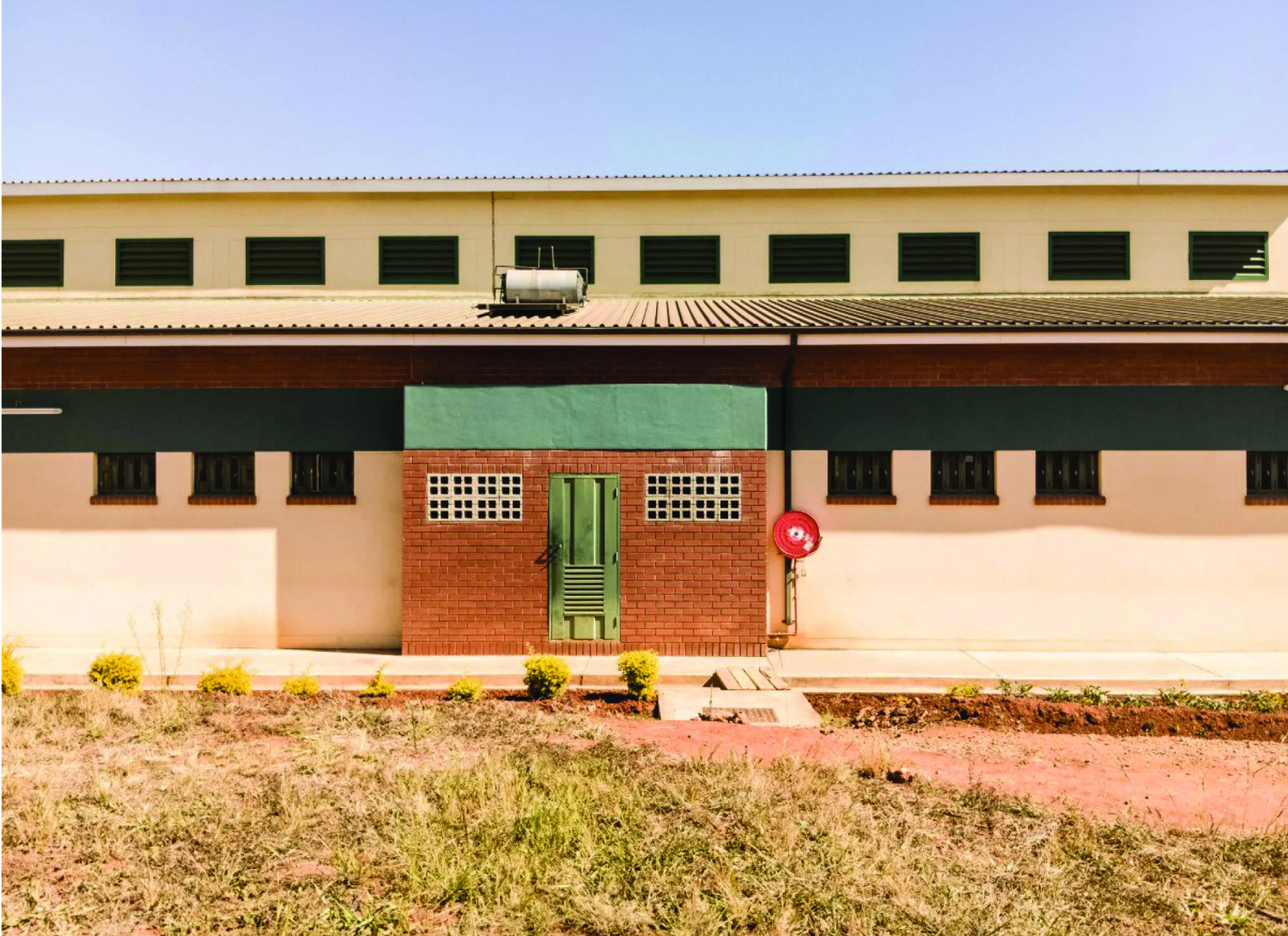
A video showing the inside of the Matsapha Correctional Centre and now circulating widely on social media has raised concerns about security at one of the country’s high-security correctional facilities.
The footage, reportedly recorded by Cuban national Roberto Mosquera del Peral, has given locals and people outside the country an unusual view of the interior of a facility that ordinarily remains largely inaccessible to the public.
The circulation of the footage has, therefore, questioned the rules governing what the deportees may record while inside the facility, particularly because Matsapha also houses other inmates and is operated by correctional officers.
Government has now been asked whether the footage constitutes a security concern, whether its potential implications have been assessed and whether the protocols governing the deportees’ use of mobile phones and recording devices will be reviewed.
Acting Government Spokesperson Thabile Mdluli confirmed that government was aware of the video and said the development had prompted a review of the protocols governing the management of the third-country nationals housed in government facilities.
“In light of these developments, government will review the relevant protocols and procedures governing the management of the third-country nationals in government facilities,” Mdluli said.
She said government would not disclose the specific measures that may be considered or taken.
The development has shifted attention from the controversy surrounding the United States’ deportation of Mosquera and other third-country nationals to the country to the security implications of allowing someone housed inside the facility to record and publicly distribute footage.
Matsapha Correctional Centre is an HMCS facility with a stated carrying capacity of 550 people.
The concern comes against the backdrop of government’s latest performance assessment, which found that the national security and law enforcement objective achieved an overall performance score of 43%.
The assessment found that government performed strongly in the digital case management system within His Majesty’s Correctional Services, among others. However, performance was weak in the implementation of data protection and cyber-security laws, public awareness on crime prevention and the finalisation of intelligence-related legislation.
The video itself does not establish that the facility is insecure or that an escape could be staged. However, its circulation has prompted questions about the type of information that can now be obtained by anyone viewing footage from inside the facility.
Some social media users have questioned whether such footage could assist someone seeking to understand the internal environment of a correctional institution.
The issue is particularly unusual because government has previously maintained that the third-country nationals housed at the facility are not prisoners.
In July, Minister of Justice and Constitutional Affairs Prince Simelane told Parliament that the deportees receive an allowance of E500 per month and are permitted to go shopping. They also prepare their own food.
The arrangement has consequently raised questions about the security protocols applicable to the deportees while they are housed at a correctional facility.
Mosquera’s phone access came amid his hunger strike and a subsequent legal battle over the deportees’ access to lawyers.
Human rights lawyer Sibusiso Nhlabatsi successfully challenged government’s position, with the courts affirming the deportees’ right to legal representation and access to him.
The issue now is whether that access has extended beyond communication with the outside world to the recording and publication of material from inside the correctional facility.
The first five US deportees — from Cuba, Jamaica, Laos, Vietnam and Yemen — arrived in Eswatini in July 2025 and were housed at Matsapha.
The arrangement has since expanded, with further deportees arriving in subsequent batches.
PRISON FOOTAGE EXPOSES MORE THAN DEPORTEES – SENIOR OFFICER
A senior officer within His Majesty’s Correctional Services (HMCS) says the issue now goes beyond the United States deportees housed at the facility.
According to the senior officer, an instruction given to the correctional facility was that the third-country deportees were essentially using the facility, with matters concerning the deportees falling outside the direct responsibility of the correctional establishment.
The officer said this arrangement was now raising concern following the publication and circulation of footage showing the interior of the facility.
The senior officer described the development as particularly concerning because Matsapha is a maximum-security correctional facility and is also home to other people who are detained there.
The official said the situation could therefore no longer be viewed as a matter affecting only the deportees because the footage had exposed the correctional facility itself and potentially brought the security and privacy of other inmates and the institution into question.
The officer stressed that the concern was not simply about the deportees having access to mobile phones but about the subsequent recording and dissemination of images from inside the facility.
The circulation of the footage has consequently raised questions about who is responsible for monitoring what is recorded inside the facility and whether the existing arrangements governing the deportees adequately address the security requirements of a maximum-security correctional institution.
The senior officer said the fact that the footage was now accessible to members of the public meant that the matter had effectively moved beyond the original dispute surrounding the deportees and had become a broader institutional security concern.