HIS Majesty King Mswati III has appointed High Court Judge Mumcy Dlamini as the country’s first female acting Chief Justice, marking a historic milestone for Eswatini’s Judiciary.
Dlamini becomes the first woman to occupy the nation’s highest judicial office following the death of Chief Justice Bheki Maphalala, who passed away while receiving medical treatment in South Africa.
Her appointment also places her among a small number of women who have risen to the highest judicial leadership position on the African continent.
She is described as the sixth female Chief Justice in Africa.
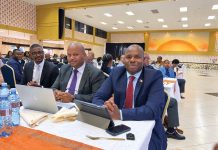
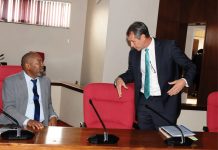
The appointment was announced by Minister of Justice and Constitutional Affairs Prince Simelane during a media briefing held at the Supreme Court boardroom yesterday. The event was attended by members of the Judicial Service Commission (JSC), Civil Service Commission (CSC) Chairman Simanga Mamba, Attorney General Sifiso Khumalo, Dlamini’s family members and the media.
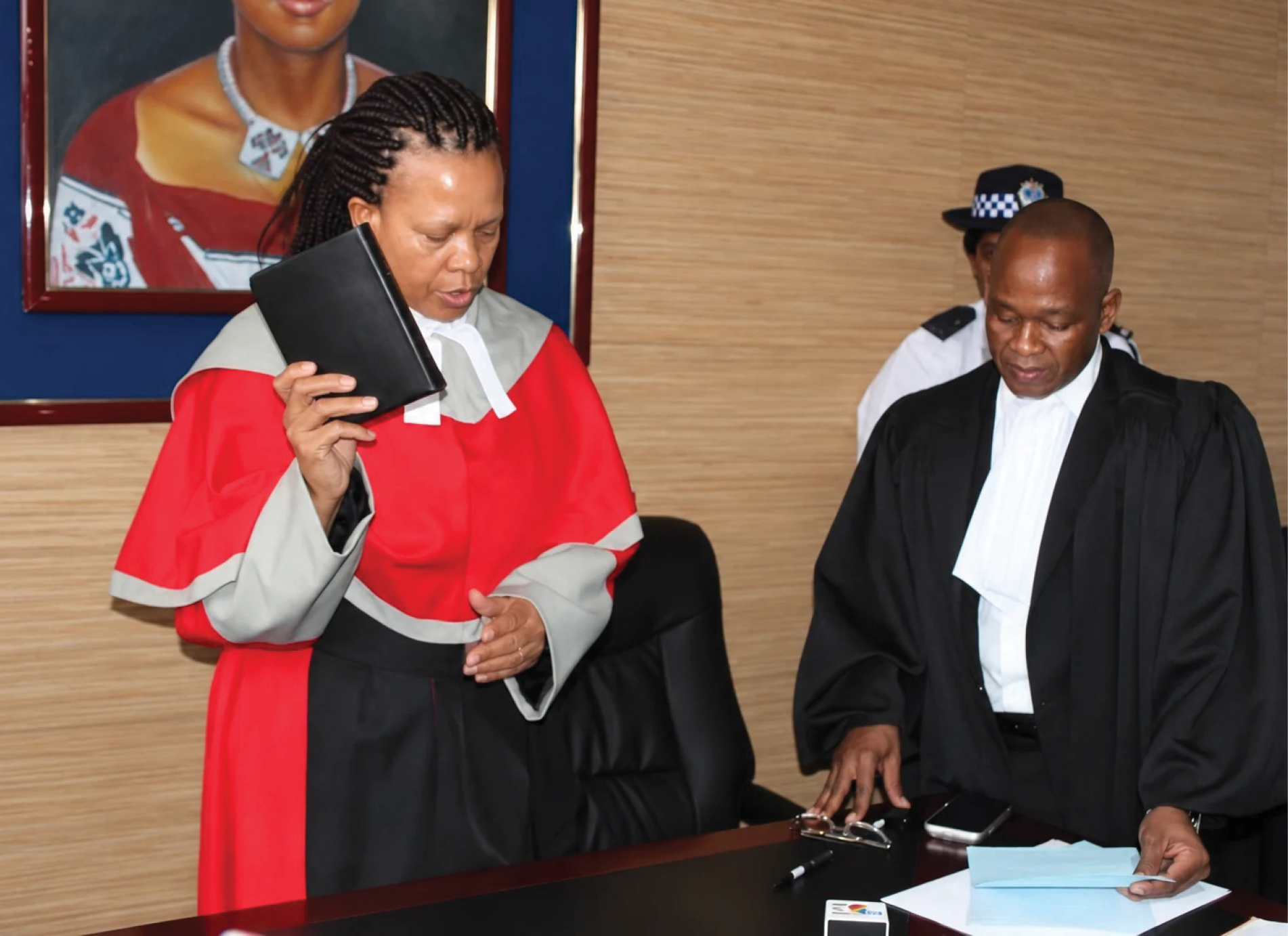
Following the announcement, Dlamini was then sworn-in as acting CJ in a ceremony presided over by the attorney general.
She took the oath of allegiance and the oath of office in accordance with Section 143 and the Second Schedule of the Constitution.
The appointment comes nearly two months after the death of Maphalala, leaving the Judiciary without its substantive head.
Mamba welcomed the appointment and thanked the attorney general for initiating and supporting the inauguration of Dlamini as acting CJ. Speaking on behalf of the CSC, Mamba said the appointment was an important development for the Judiciary. “We are happy that we now have a leader in the Judiciary,” he said.
He made the remarks while welcoming Minister Prince Simelane to the podium.
In congratulating Dlamini, the minister said the appointment came with enormous responsibilities and challenges, but encouraged her to remain strong as she assumed the leadership position. He used biblical references to explain the significance of the king’s decision, saying the challenges ahead should not discourage her because she had been entrusted with an important responsibility. “His Majesty has assigned you a huge and not easy task,” he said, referring to the Siswati expression, “Inkhosi ikubulele.”
The minister also invoked the biblical principle that what is blessed on earth is also blessed in heaven. “What has been blessed by His Majesty has also been blessed by God in heaven,” he said.
ACTING CJ’S RECORD
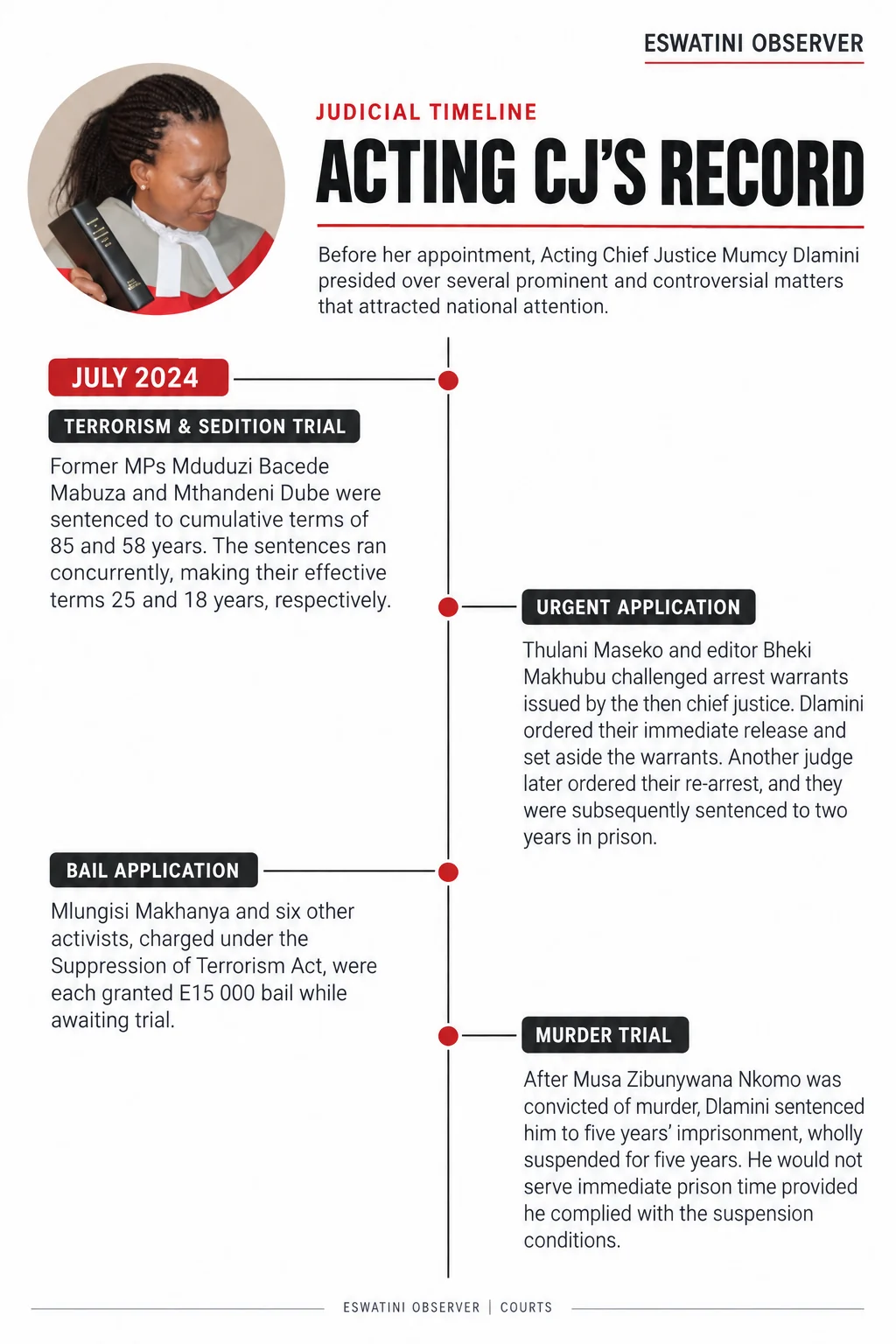
BEFORE her appointment, acting Chief Justice Mumcy Dlamini presided over several prominent and controversial matters that attracted national attention.
Among them was the terrorism and sedition trial involving former members of Parliament Mduduzi Bacede Mabuza and Mthandeni Dube. In July, 2024, Mabuza received a cumulative sentence of 85 years’ imprisonment, while Dube was sentenced to a cumulative 58 years. However, because the sentences were ordered to run concurrently, their effective prison terms were 25 and 18 years, respectively.
Judge Dlamini also presided over an urgent application involving the late human rights lawyer Thulani Maseko and renowned Editor Bheki Makhubu who challenged arrest warrants issued by the then chief justice. She ordered their immediate release and set aside the warrants. However, another judge subsequently ordered their re-arrest and they were later sentenced to two years imprisonment.
In another matter involving Mlungisi Makhanya and six other activists charged with contravening the Suppression of Terrorism Act, Dlamini granted the seven applicants E15 000 bail each while they awaited trial. She also presided over the murder trial of Musa Zibunywana Nkomo. Following his conviction, she sentenced him to five years’ imprisonment, wholly suspended for five years, meaning he would not serve an immediate prison term provided he complied with the conditions of suspension.
Sixth female chief justice in Africa
ACTING CJ Mumcy Dlamini’s appointment is a significant milestone for women in the legal profession, as she becomes the first woman to lead the country’s Judiciary.
She joins other African women who have broken barriers by ascending to the highest judicial office in their respective countries. Among them is Kenya’s Martha Koome who assumed office on May 21, 2021, after being appointed by former president Uhuru Kenyatta, succeeding David Maraga. South Africa’s Mandisa Maya assumed office on September 1, 2024 after being appointed by President Cyril Ramaphosa and succeeded Raymond Zondo. Maya previously served as Deputy Chief Justice.
Nigeria’s Kudirat Kekere-Ekun became acting Chief Justice on August 22, 2024 before assuming the substantive position on September 30.
She was appointed by President Bola Tinubu, succeeding the retiring Olukayode Ariwoola.
Zimbabwe’s Elizabeth Gwaunza was also listed among the women who have occupied senior judicial leadership positions, having been appointed in May by President Emmerson Mnangagwa, succeeding Luke Malaba.
She previously served as Deputy Chief Justice. Rehana Mungly-Gulbul from Mauritius and Dlamini’s elevation adds the country to the countries making progress in opening the highest judicial leadership positions to women.