


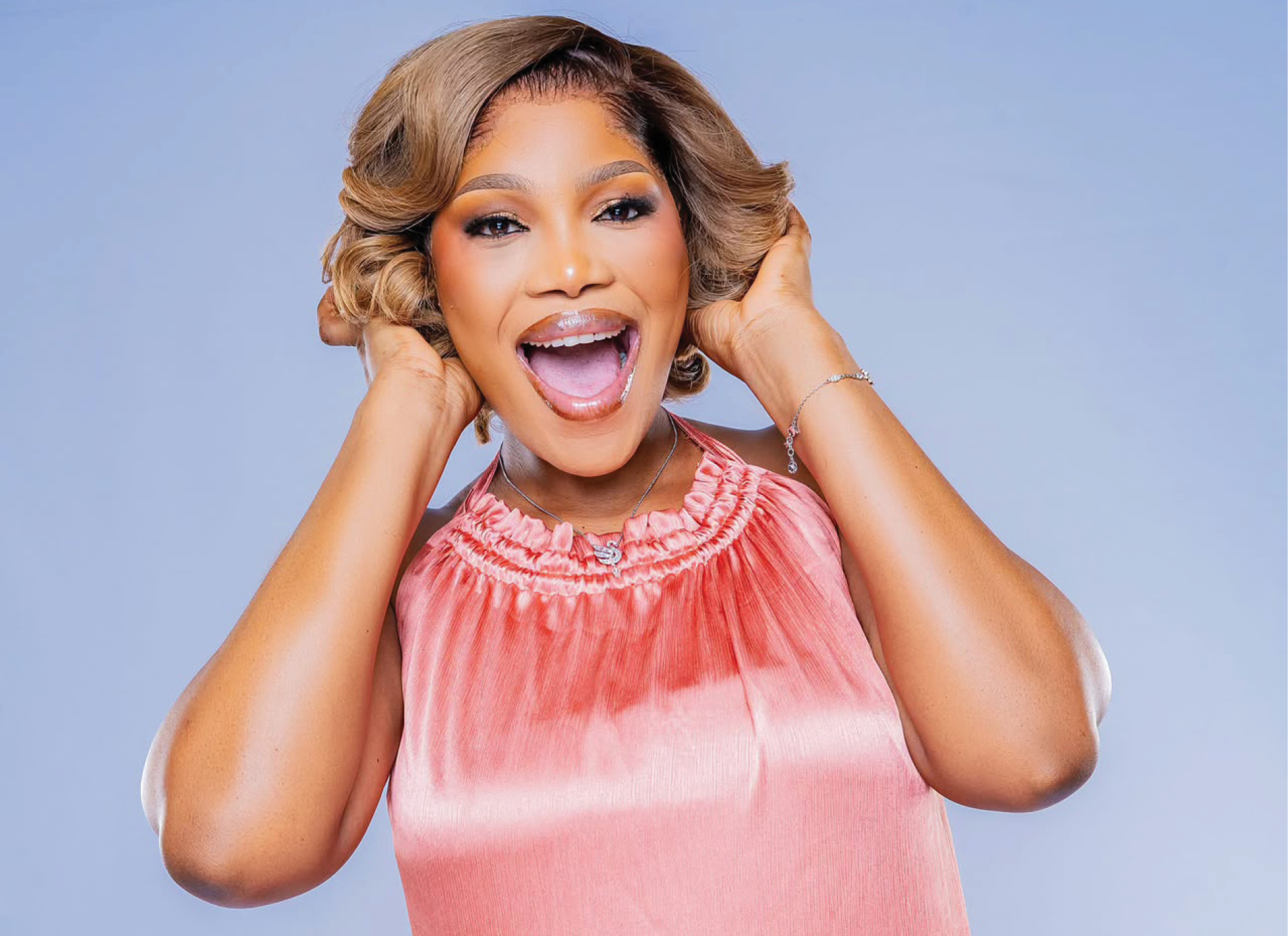
The use of a public hymn in South African singer Mlindo The Vocalist’s ‘Ndembathe Nkosi’ means local gospel singer Nothando Hlophe is not entitled to royalties from the song, according to the Eswatini Copyright and Neighbouring Rights Society (ESWACOS).
ESWACOS says Hlophe is not due royalties from Mlindo’s ‘Ndembathe Nkosi’ because it uses a public hymn. The clarification follows online questions after Mlindo The Vocalist released the gospel-inspired song with Duduza Serenade.
Listeners compared it with Hlophe’s ‘Methodist Medley’, released last year. ESWACOS Executive Director Mmeli Hlandze explained that ‘Ndembathe Nkosi’ draws on a hymn available for public use. He said Mlindo had used creativity to shape the song into a version suited to his audience, rather than copying Hlophe’s recording.
“It is a public song,” Hlandze said, explaining that the hymn itself is not owned by one performer.
He added that the position would be different if Mlindo had copied Hlophe’s version, including its musical arrangement and performance, instead of creating his interpretation.
In that situation, the use of protected work could raise a question of royalties. However, Hlandze maintained that using the hymn creatively does not mean another artist must be paid. Hlophe has welcomed the attention her music is receiving beyond the kingdom, describing it as a positive response to the message she hoped to share through ‘Methodist Medley’.
“It is a beautiful and humbling feeling,” she said.
When she released the medley, Hlophe’s prayer was that it would travel beyond her and reach people in ways she could not have imagined.
Seeing artists from outside the kingdom embrace the song and include it in their performances has shown her how music can cross borders. She views the response as more than recognition, saying it confirms that local music can influence the wider musical landscape.
For Hlophe, being a trendsetter is not simply about following what is popular, but creating work that inspires other musicians and encourages them to develop their own expressions. Mlindo’s version has also become part of his musical direction.

The afro-soul singer introduced ‘Ndembathe Nkosi’ during his performance at the Eswatini Kota Festival on October 24, entering to its choir-led harmonies before moving into hits including ‘Imoto’, ‘Ngithanda Wena’ and ‘Bamthathile’.
The song leads his fourth album, ‘Inhlawulo’, released on November 13 through BIG VOCA (PTY) LTD and EMPIRE. The 13-track project runs for about 52 minutes and explores personal challenges, growth and the experiences that have shaped his life and career.
Since the Kota Festival performance, Mlindo has taken the song to South African concert stages and broadcast platforms, including a live studio session on the Ukhozi FM Podcast.
Its gospel sound marks a reflective shift from the afro-pop hits that first brought him wider attention.
Mixed views over Hlophe’s influence
SOCIAL media users have debated Nothando Hlophe’s influence on Mlindo The Vocalist’s ‘Ndembathe Nkosi’, questioning credit and recognition for the gospel song.
The discussion unfolded on Mlindo’s Facebook page, where users shared their views beneath videos of the singer performing the track.
While some users believe Hlophe deserves recognition for bringing the song to wider attention, others argue that the hymn itself is not owned by an individual performer.
The debate also highlights how social media has become a space for listeners to discuss musical influences, originality and the place of traditional hymns in contemporary gospel music and modern gospel expression. Their comments reflected different opinions about the relationship between his version and Hlophe’s ‘Methodist Medley’.
One user, Immortal Seven, questioned what credit Hlophe would receive, arguing that Mlindo was benefiting from the song’s popularity. Lizka07 took a different view, pointing out that the song is based on a hymn that has existed for many years.
“This is a hymn, very old, so it does not belong to anyone,” the user wrote.
David Maseko praised Hlophe’s influence, saying she had helped introduce the sound to audiences across Africa. Another user, Wandile Khumalo, remarked that ‘everything goes right’. Temalangeni Bubu Dlamini offered a tribute, describing Hlophe as ‘a movement, a force and phenomenon’. The comment recognised the local singer’s influence in encouraging other musicians to explore similar gospel sounds.
The reactions add to the discussion around ‘Ndembathe Nkosi’ and its connection to ‘Methodist Medley’.