


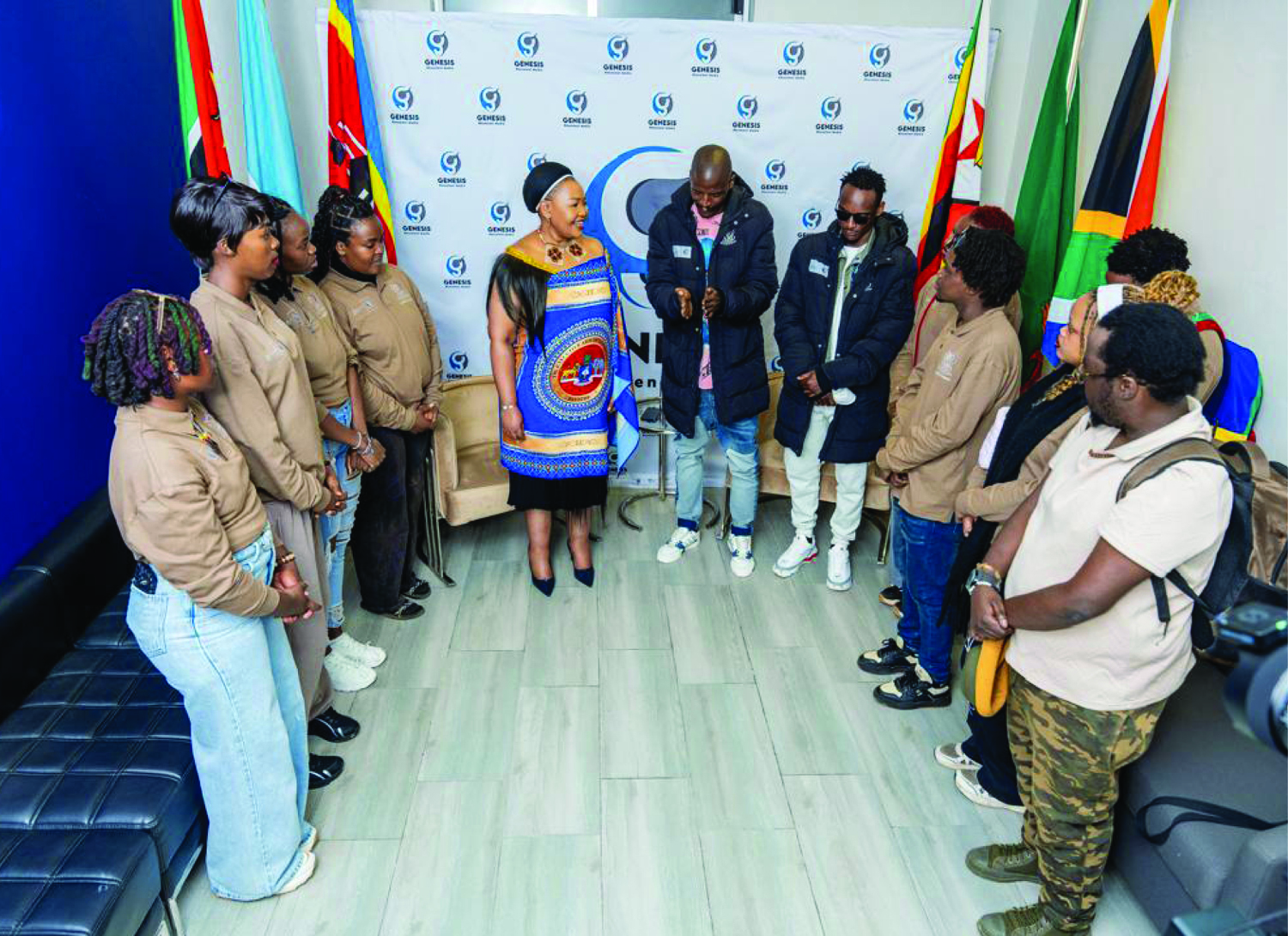
More than 150 regional artists joined the October International Theatre Festival (OITF) in the kingdom this weekend, sharing skills through masterclasses and performances with local creatives.
The artists came from South Africa, Mozambique, Zimbabwe and Botswana, creating a regional meeting point for theatre practitioners.
Training covered acting, theatre, writing, dance and production, with South African actors Hamilton Dlamini and Keamokegetswe Malefo among the facilitators.
The masterclasses started on Thursday with pupils and continued on Friday with local creatives.
Visiting practitioners presented performances at the Eswatini Theatre Club, adding live work to the festival programme.
Minister of Foreign Affairs and International Cooperation Pholile Shakantu welcomed the artists and highlighted the value of bringing practitioners together.
“The exchange offers local creatives an opportunity to develop their technical skills,” she said, while pointing to the chance to learn from artists across the region.
Shakantu also linked the programme to diplomacy, noting that cultural exchange can help countries build stronger relationships.
The visiting artists thanked the minister for her support of local creatives.
She appreciated the governments of South Africa, Botswana and Mozambique for facilitating the artists’ visit.
Their involvement allowed practitioners from neighbouring countries to share knowledge, experiences and approaches to creative work.
Shakantu acknowledged the United States (US) Embassy in Eswatini, Alliance Française, Eswatini Theatre Club and Youini Loku Gallery for providing venues for the masterclasses.
For local participants, the sessions offered practical exposure to artists with experience in different areas of the performing arts.
The programme also created room for learning, discussion and contact between creatives who may continue working together.
‘‘Arts can strengthen relations between countries,” Shakantu said, highlighting the wider role of cultural programmes beyond entertainment.
Government hopes the skills gained through such exchanges will contribute to stronger local productions.
The festival also comes as the kingdom develops new spaces for major performances.
Government hopes local artists will stage world-class productions at the new ICC Theatre, officially opened by His Majesty King Mswati III.
OITF workshops expose funding gap facing creatives
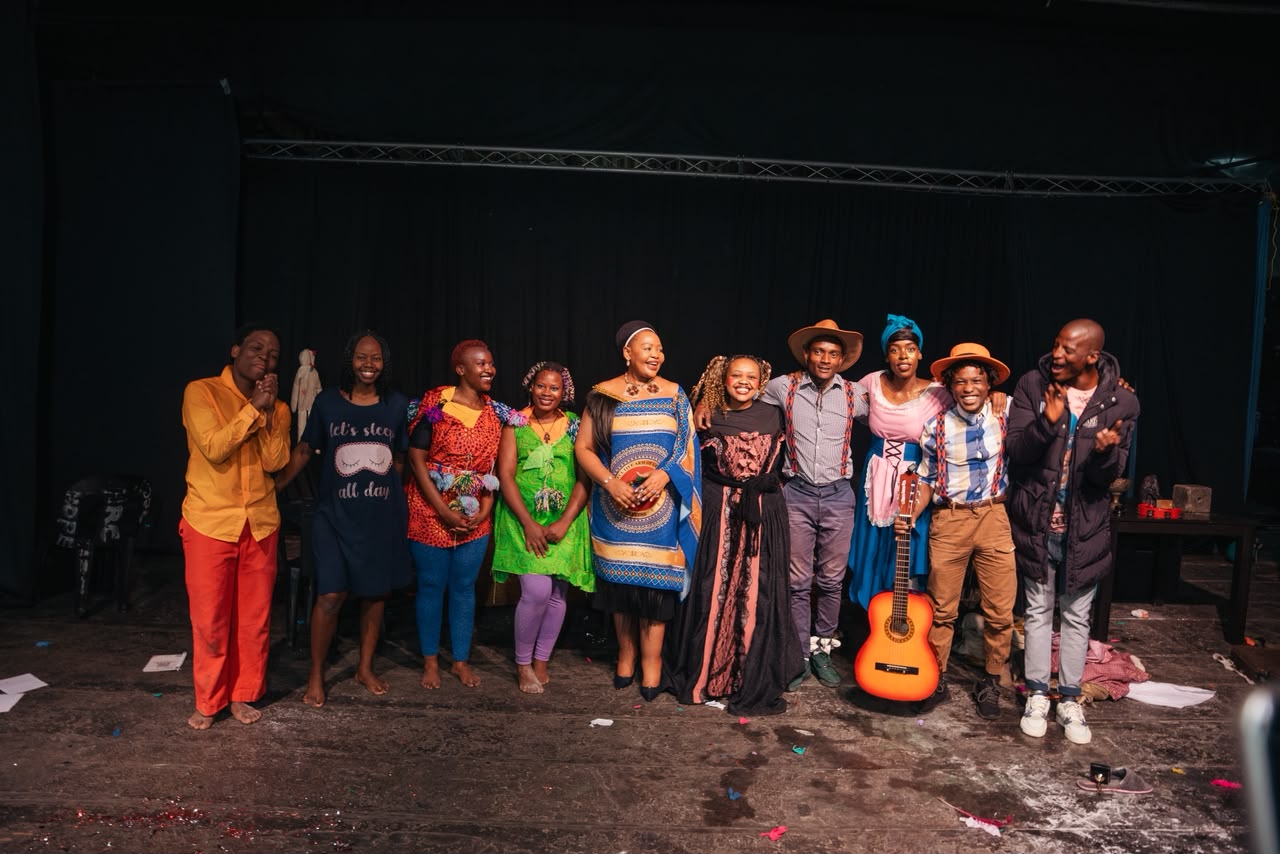
The October International Theatre Festival (OITF) workshops in Mbabane highlighted funding as a major challenge for local creatives on Friday, as practitioners explored ways to improve their work through practical trainings.
The day two of the OITF brought creatives together at Yini Loku, Candle Light and the American Corner for workshops covering dance, acting, children’s theatre, directing, arts administration and producing.
Discussions focused on challenges faced when developing creative projects, with finance repeatedly emerging as a key concern.
South African film director and arts administrator Mongezi Mabunda, who led the producers’ workshop, found that participants shared similar concerns to those experienced by practitioners elsewhere.
“Most of the problems participants were submitting is the issue of money,” he said, explaining that limited funding can prevent productions from moving forward and make it harder for teams to secure resources needed to deliver quality work.
Mabunda also called for greater support for creative talent in the kingdom, saying investment could help local artists reach bigger platforms.
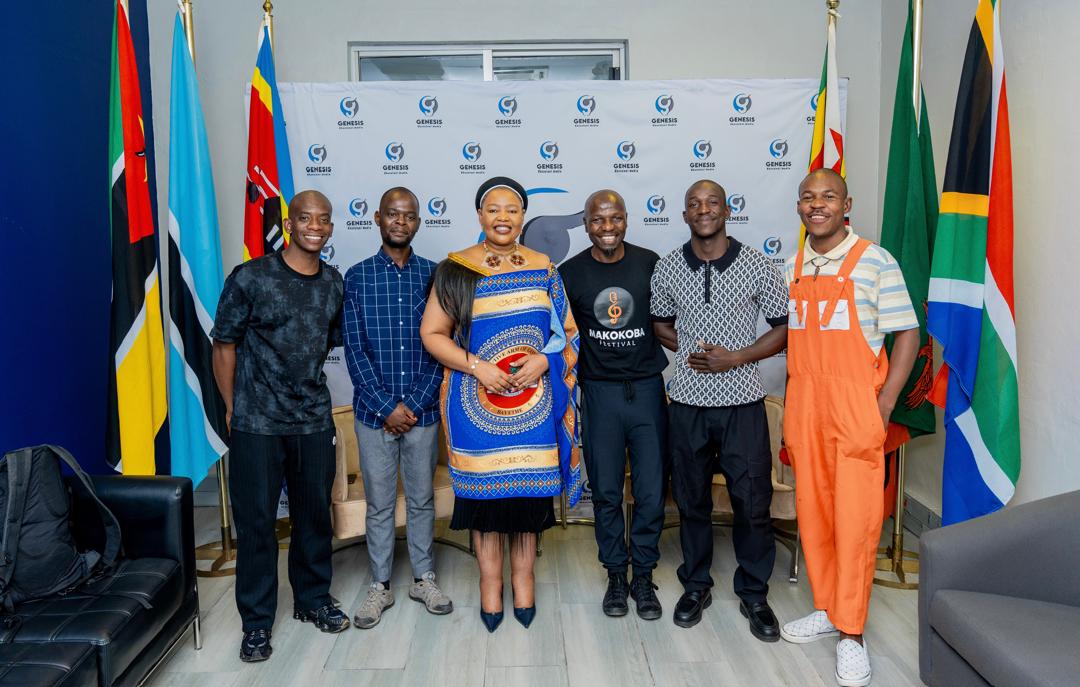
He was encouraged by the number of participants who attended and their willingness to learn.
Their engagement, he noted, showed determination within the kingdom’s creative sector.
For participants, the workshops offered more than technical lessons.
Siko Zwane found the discussions useful because they allowed creatives to gain new views and examine their work from different angles.
“We still need other people’s opinions that will sharpen our skills,” Zwane said, appreciating OITF for creating a space where practitioners could exchange ideas.
The festival’s second day also showed how training can connect different parts of the creative industry, giving practitioners room to discuss practical issues affecting their careers.
By bringing local and visiting professionals together, the programme created opportunities for knowledge sharing while exposing common barriers to production.
The discussions also pointed to the need for creatives to understand the wider demands of producing work, from planning and administration to securing resources and building stronger projects.
For many participants, the sessions provided a chance to learn from experienced practitioners while sharing challenges from their own creative journeys.
OITF continued with further activities before its closing, with the workshops adding a learning element to the festival’s programme and strengthening its focus on creative development across the sector.
Stevovo closes theatre showcase with laughter, reflection
Stevovo closed the OITF showcase at Eswatini Theatre Club with a lively performance, following productions on gender-based violence at the venue.
The South African puppetry production, written and directed by Abednigo Moruti Dhlamini, blended live theatre with puppets to tell the story of an unemployed man from Tembisa.
Stevovo holds a Master’s Degree in Performing Arts but faces financial pressure and the coming birth of his child with pregnant partner Mapule.

brought his performance to life.
He faces a difficult choice between following his artistic dream and finding immediate ways to survive.
Through humour and puppetry, the production brought these struggles closer to the audience while keeping the atmosphere lively.
For Dhlamini, the story was shaped by real life issues affecting society.
“It tackles real-life issues,” he said, explaining that political matters also influenced his writing.
The performance came after South African actor Liso Sindo presented VOW-Voices of Women at 2pm.
Written and directed by Dr Disi Sindo, the production focused on women and children who have lost their lives to gender-based violence in South Africa and beyond.
Sindo used the production to confront GBV and encourage men to take a stand.
“Bringing this play to the kingdom is a warning,” he said, explaining that live theatre allows audiences to see the message directly.
He said the showcase showed how theatre can entertain while opening conversations about real experiences.
At 4pm, actors Goitsemang Pholo and Winnie Morabe presented Mr & Mrs Psychology, taking audiences into love and marriage. The production explored issues couples face in relationships.
The three productions gave audiences experiences, moving from GBV to relationship issues before ending with Stevovo’s humour and social themes. Laughter filled the auditorium during Stevovo, while the earlier productions encouraged audiences to reflect on challenges affecting people and communities.
By the final performance, OITF had brought together acting, puppetry and storytelling, giving audiences a theatre experience while placing social issues at the centre.