AS the country seeks to modernise its agriculture sector and strengthen food security, attention is turning to local innovators who are developing practical solutions to some of the industry’s biggest challenges.
The launch of the Eswatini Solutions Marketplace 2026 has created an opportunity for entrepreneurs, researchers, agribusinesses and technology developers to present innovations that can improve agricultural productivity, strengthen value chains and create new business opportunities.
The initiative calls for solutions to challenges such as climate change, limited market access, post-harvest losses, low productivity and inadequate value addition.
While innovation is often viewed as the preserve of large companies and international organisations, local stakeholders believe the country has the talent and entrepreneurial potential to develop home-grown solutions capable of transforming the agriculture sector.
Business leaders say agricultural innovation has the potential not only to improve food production, but also to stimulate economic growth by creating new businesses, attracting investment and generating employment.
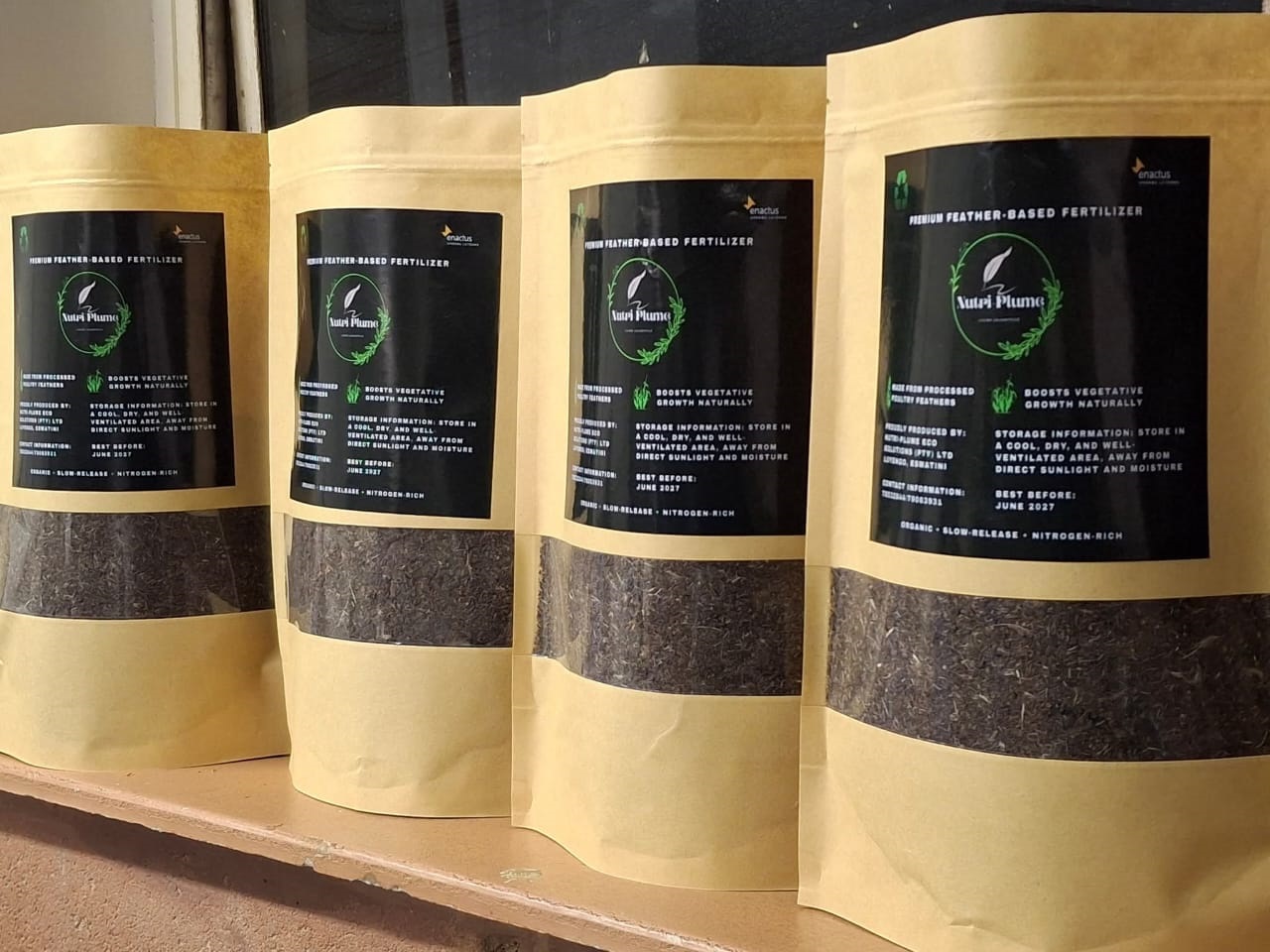
One example is University of Eswatini (UNESWA) graduate Nomvuyo Dlamini, who recently gained a lot of attention after developing Nutri Plum, an organic fertiliser made from chicken feather waste.
Rich in nitrogen, the fertiliser is designed to improve soil health while reducing reliance on conventional chemical fertilisers.
Developed with the support of ENACTUS Eswatini, the product converts agricultural waste into a valuable farming input and demonstrates how local innovation can address both environmental and economic challenges.
When previously asked on her innovative idea, Dlamini said the concept was inspired by the need to provide farmers with a locally produced alternative at a time when fertiliser prices continue to rise.
A young agribusiness entrepreneur, Sibusiso Dlamini, said innovation is becoming increasingly important as farmers face rising production costs and unpredictable weather patterns.
“Farmers need solutions that are affordable and suited to our local conditions. There are many young people with innovative ideas, but they often struggle to access funding and mentorship to turn those ideas into successful businesses.”
Dlamini said innovations such as smart irrigation systems, digital marketing platforms for farmers, climate-smart farming technologies and value-addition initiatives could significantly improve the competitiveness of Eswatini’s agricultural sector.
Farmers seem welcoming to initiatives that encourage innovation, saying they are looking for practical solutions that address the everyday challenges they face.
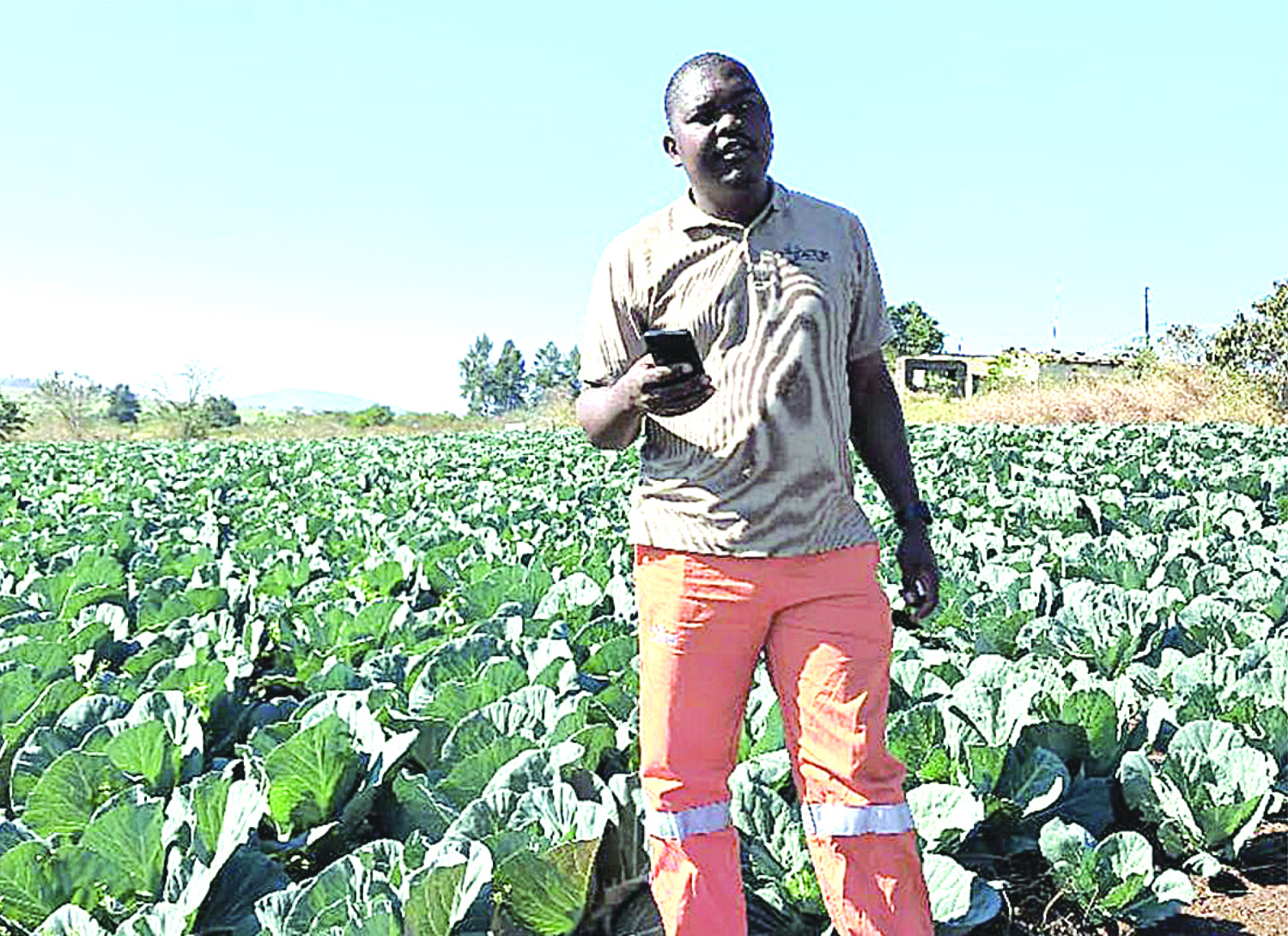
A vegetable farmer from the Lubombo region, Sithembiso Ntjalintjali, said post-harvest losses remain one of the biggest obstacles for small-scale producers.
“Sometimes we produce enough vegetables, but without proper storage facilities or reliable markets, a lot of produce goes to waste. Innovations that help us preserve our crops or connect us directly with buyers would make a real difference.”
Ntjalintjali said many farmers are willing to adopt new technologies provided they are affordable, easy to use and supported through training.
Initiatives such as the Solutions Marketplace provide an important platform for identifying commercially viable ideas while connecting innovators with potential investors, development partners and government institutions.
With agriculture being one of the country’s key economic sectors, supporting local innovation could help improve productivity, reduce food imports, strengthen agro-processing and create employment opportunities, particularly for young people.
As the country looks to build a more competitive and resilient agricultural sector, the success of local innovators may determine whether home-grown solutions can address long-standing challenges while creating sustainable businesses that contribute to national economic growth, improve productivity, create jobs, promote value addition and reduce dependence on imported agricultural inputs.