



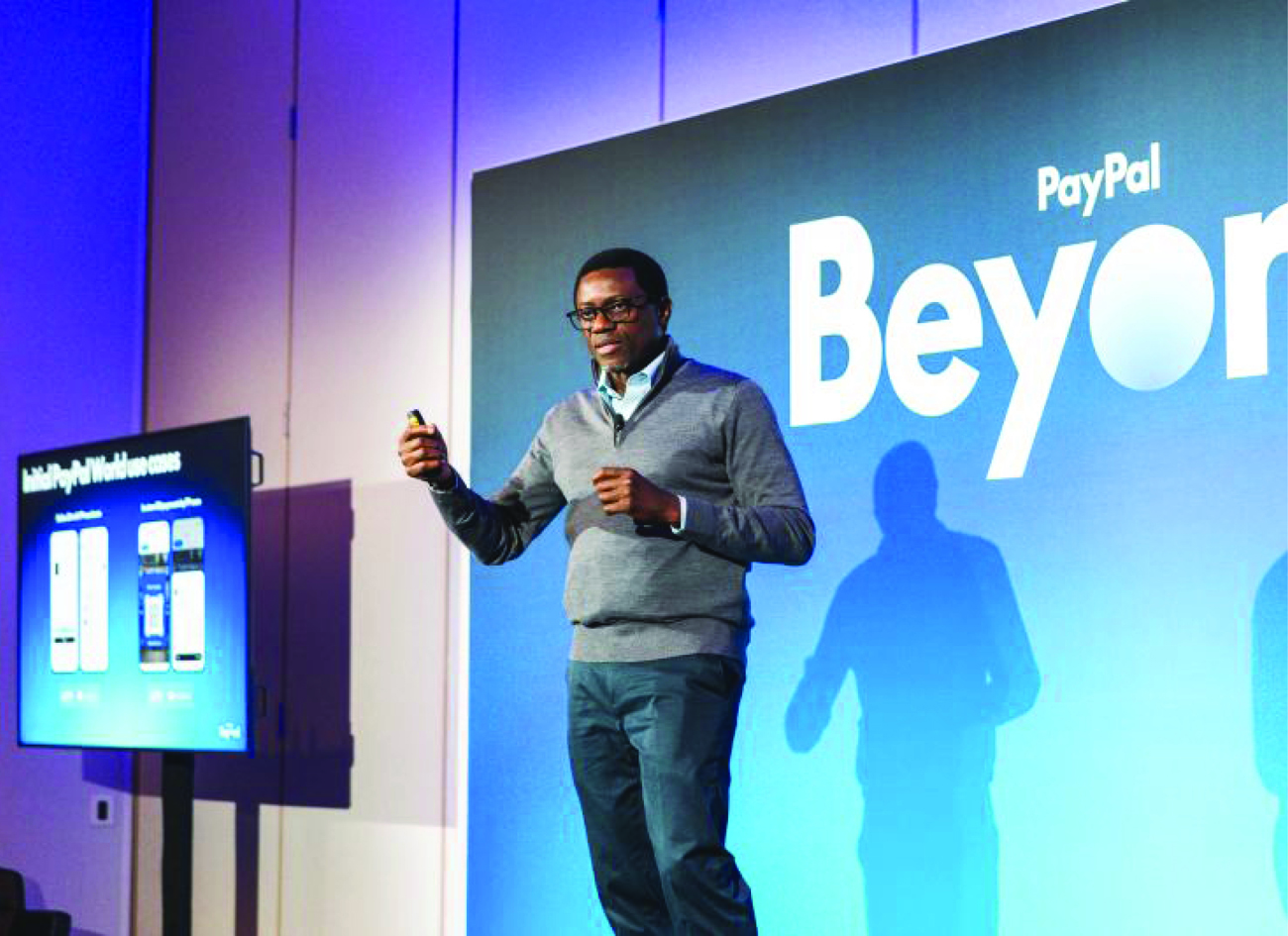
FROM moving money to holding value, the crypto-enabled solutions allow businesses and consumers to easily send, receive and spend across the globe.
Micro, small and medium enterprises (MSMEs) said the planned expansion into Africa by PayPal could create major opportunities for African businesses; especially SMEs, freelancers, exporters and e-commerce traders.
They were reacting to an announcement made by PayPal that they were expanding PayPal USD (PYUSD) to 70 more markets, creating access to 27 countries, including Eswatini.
The platform aims to connect local digital wallets with international markets, making cross-border payments easier and more accessible.
Businesses can use PYUSD on PayPal to accept payments and cross-border transactions, while United States merchants can accept PYUSD wherever PayPal checkout is available.
Shein runner Zamantungwa Khumalo said African businesses would receive payments from overseas clients more smoothly, helping them sell products and services globally without requiring customers to use traditional banking systems.
Instead of opening separate foreign PayPal accounts, she said the business would connect existing local wallets and Mobile Money platforms directly to PayPal’s global network.
She expressed that PayPal was being rolled out to Eswatini. She said before, she transacted using PayPal only through her South African FNB account.
She now used PayPal to send money, make online purchases and receive international payments. However, because of strict South African exchange control regulations, she had to follow some specific guidelines whenever she needed to withdraw her funds.
She noted that some businesses like Black Mamba and Eswatini Coffee were already exporting to Asia and Europe, and had exhibited in international food expos. She said the PYUSD would improve how they transact.
“This is significant in Africa, especially businesses in the country where mobile money dominates digital transactions. As small businesses and creatives we previously struggled with international payment limitations. This will enable us gain better access to global marketplaces and clients. This will also boost our e-commerce growth. The improved payment interoperability can encourage more businesses to trade online internationally, helping local brands participate in global digital commerce,” Khumalo added.
RELATED | PayPal expands PYUSD access to Africa, 70 global markets
She added that cross-border payments in Africa are often costly and fragmented, therefore PayPal’s system aims to simplify this by linking local fintech ecosystems directly to international merchants.
As continental heads of State promote intra-Africa trade through different regional blocs including the Africa Continental Free Trade Area (AfCFTA), there was now a paradigm shift.
Overall, the expansion could significantly improve Africa’s participation in global digital trade if PayPal successfully partners with local fintech companies and adapts to African market realities.
Handicraft exporter and online retailer through e-commerce platforms Zanele Simelane echoed Khumalo.
She said for local businesses, PayPal’s planned expansion into the country and Africa could open new opportunities in digital trade, exports and online entrepreneurship, especially for SMEs that struggle with cross-border payments.
She said for her business and others, some of the biggest potential benefits include improved access to international markets, support for SMEs and youth-led businesses, integration with mobile money and digital wallets, faster cross-border payments, boost to e-commerce and tourism sectors and more.
She also said local businesses could sell products and services more easily to customers abroad by accepting international digital payments through local wallets and banking systems.
Simelane said this could be useful for online retailers, creatives, consultants and tourism operators.
She said businesses that import stock, receive payments from foreign clients or export products often face delays and exorbitant banking charges. She said through PYUSD enrolment in the country, transactions will be simplified and faster.
“Eswatini is actively supporting MSMEs and entrepreneurship through programmes aimed at growing small businesses and digital innovation. Easier access to PayPal’s global network could help local entrepreneurs participate in international e-commerce and freelance platforms. Since the country already has relatively high financial inclusion driven by mobile money adoption, PayPal’s wallet-based model could work well locally. Businesses may eventually connect existing mobile wallets instead of relying solely on traditional bank accounts,” said Simelane.
She said discussions in a developing country like Eswatini could make other developing countries have strong interest in PayPal as a tool for remote work and online income generation.
“Businesses targeting tourists or international buyers may gain more credibility and convenience by offering globally recognised payment options like PayPal checkout. I however, see some challenges at inception like transaction and currency conversion fees, and uncertainty over how quickly PayPal will fully integrate with the country’s financial ecosystem.
‘‘Basically, if implemented successfully PayPal’s Africa expansion could help Eswatini businesses become more connected to the global digital economy while supporting the country’s growing fintech and entrepreneurship ecosystem,” further stated Simelane.