



The wait for royalty payments may finally be nearing its end for Eswatini creatives.
The Eswatini Copyright and Neighbouring Rights Society (ESWACOS) has confirmed that the first-ever distribution of royalties is expected within the 2026/27 financial year.
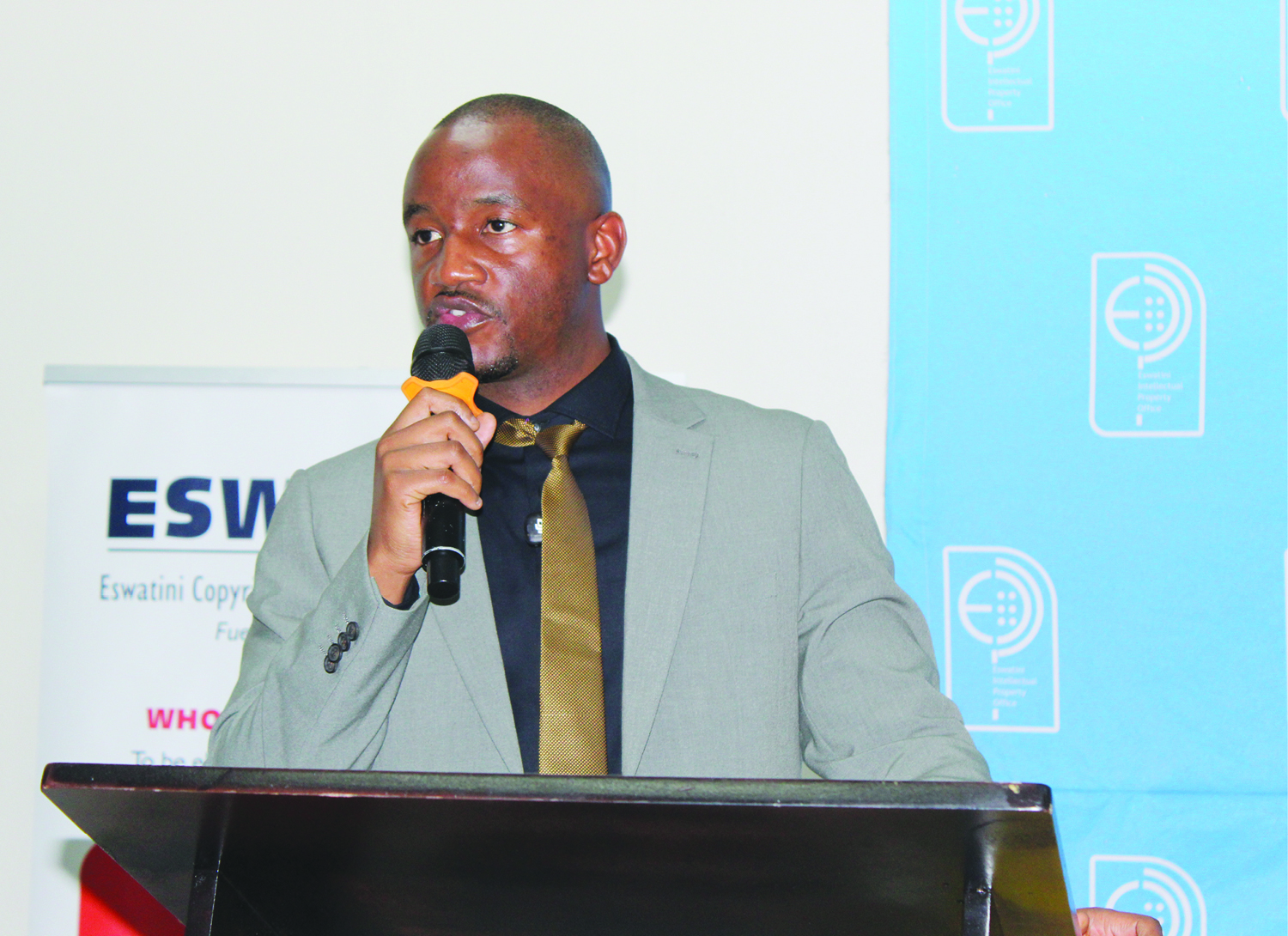
This was revealed yesterday by ESWACOS Executive Director Mmeli Hlanze during the commemoration of World Book and Copyright Day 2026 held at The George Hotel under the theme: ‘Promoting Siswati Stories in the Digital Age’.
Addressing stakeholders and members of the creative industry, Hlanze said ESWACOS had made significant progress in establishing a functional copyright licensing and royalty collection system following extensive consultations with rights holders and various user groups.
He explained that the organisation successfully finalised draft music tariffs to be used to calculate music usage licence fees. He said the tariffs were subsequently submitted to the copyright office and approved in the final quarter of 2025.
“This milestone gave ESWACOS, for the first time, the legal and operational framework needed to begin licensing users of copyrighted music and sound recordings. It marked the country’s transition from merely discussing copyright compliance to actively implementing it,” he said.
He said following the approval of the tariffs, ESWACOS officially commenced licensing operations in January. Hlanze also recognised the first group of businesses that complied with the new licensing requirements.
“We are honoured to acknowledge the first licensed businesses that have taken the important step of supporting the creative sector while complying with the law. To all the licensees present today, we sincerely thank you,” he said.
He said for many artists, authors and rights holders, the key concern has remained the same—when will royalties finally be paid? Hlanze assured creatives that the process was now firmly underway.
“Now that licensing has commenced, we can confidently say that royalty distribution is on the horizon. ESWACOS is working tirelessly to ensure that the first distribution takes place within the 2026/27 financial year,” he said.
He described the anticipated payout as a landmark moment for the country’s creative industry, signalling the completion of the copyright system’s first full operational cycle, from registration and documentation to licensing, collection, monitoring and eventual payment.
According to Hlanze, the first distribution is expected to cover several royalty categories, including public performance royalties for music played in hotels, restaurants, bars, retail stores, events and other public spaces.
RELATED | ESWACOS expands cross-border royalty ties
ESWACOS has registered more than 350 copyright works, marking a significant milestone in the country’s efforts to formalise and strengthen the creative industry. Hlanze said the organisation had made substantial progress over the past year, transitioning from groundwork and awareness campaigns to the practical implementation of copyright systems.
“Over the past year, ESWACOS has moved from foundation-building into implementation. We have moved from awareness into action. We have moved from explaining why copyright matters to building the systems that make copyright work,” said Hlanze.
He said ESWACOS had so far registered 122 rights holders, while more than 300 applications had been received to date.
“I am pleased to report that ESWACOS has now registered 122 rights holders. We have received more than 300 applications to date, and we have registered more than 350 copyright works,” he said.
According to Hlanze, the figures represent more than administrative achievements, but reflect a growing culture among creatives to formally protect and manage their intellectual property.
“These numbers are more than administrative statistics. They represent creators who are beginning to formalise their creative assets,” he said. Looking ahead, Hlanze said the organisation had set an ambitious target of registering at least 500 rights holders by the end of the year.