



About 29.2% of adult women in the country are obese.
At least 30.7% of women of reproductive age are anaemic and this highlights the country’s growing triple burden of malnutrition.
Government is now seeking to reverse the trend through the validation of the National Food and Nutrition Policy 2026-2035 and the Nutrition Bill, which aims to strengthen food and address undernutrition, micronutrient deficiencies and obesity through a unified national response.
The policy also warns that child undernutrition alone costs the country an estimated US$92 million (about E783 million), equivalent to 3.1% of gross domestic product (GDP), every year through reduced productivity, higher healthcare costs and lost years of education.
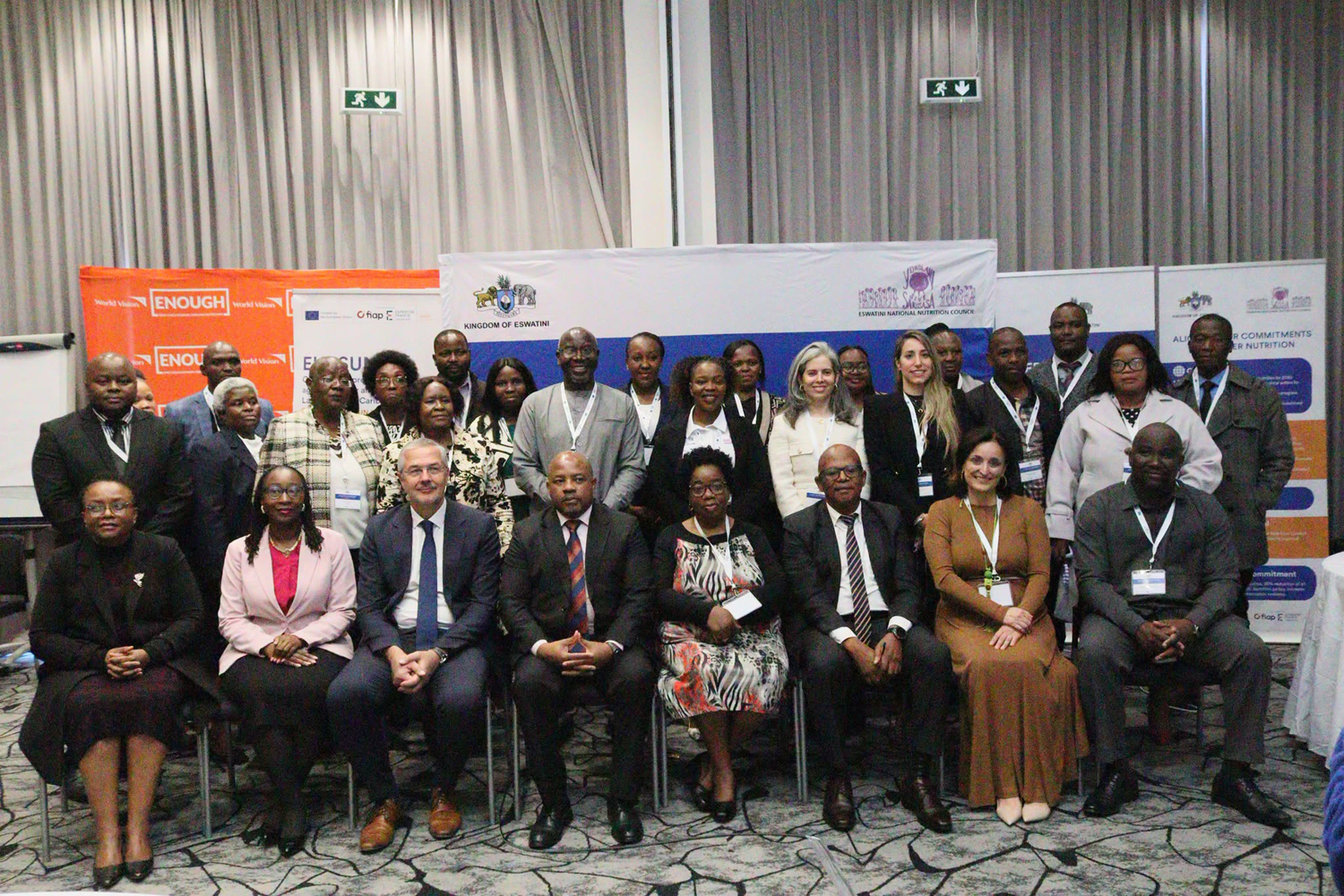
Officially opening the validation workshop at the Hilton Garden Inn yesterday, Minister of Health Mduduzi Matsebula said food and nutrition were not merely basic human needs but the foundation of a healthy and productive nation.
“Good nutrition creates a foundation for human potential. It is the bedrock upon which we build a healthy, productive and resilient nation,” said Matsebula.
He said despite progress made in healthcare and social protection over the past decade, Eswatini continued to face a complex triple burden of malnutrition. These included undernutrition among children, rising obesity and diet-related non-communicable diseases, as well as increasing food insecurity caused by climate change, economic shocks and global supply chain disruptions.
Matsebula said these challenges could not be addressed by the health sector alone.
“They demand a bold, coordinated and multi-sectoral response that brings together agriculture, health, education, social protection, finance and every sector with a role in improving the lives of Emaswati,” he said.
He said the revised policy would serve as the country’s blueprint for improving food and nutrition security for all citizens, particularly children, pregnant and breastfeeding women, the elderly and vulnerable households.
The minister urged delegates to ensure the policy remained practical, reflected the realities of both urban and rural communities and included measurable actions that could be monitored effectively.
“This validation workshop is not a formality. It is an opportunity to strengthen and improve this policy using your collective expertise. Validating this document is only the first step. Bringing it to life in every household across Eswatini will be our ultimate goal,” he said.
Matsebula also acknowledged the support of development partners, including the European Union (EU), the Scaling Up Nutrition (SUN) Movement, World Vision, United Nations agencies, civil society organisations, academia and the private sector for contributing to the development of the policy.
European Union Ambassador to Eswatini Karsten Mecklenburg described the policy and the proposed Nutrition Bill as important milestones towards building a healthier future for the country.
“These are bold actions that put nutrition first across sectors to save lives and give children a healthier future,” said Mecklenburg.
He said the documents were developed with EU support through the EU4SUN Project, launched in 2023 and implemented by FIAP, the Spanish Development Agency.
Mecklenburg said the EU’s partnership with Eswatini was built on national ownership, multi-sectoral collaboration and strengthening institutions to ensure the policies produced tangible results.
“Financial commitments provide the engine, but strategic policy alignment provides the roadmap,” he said.
He added that nutrition should not only be viewed as a health issue.
“Nutrition is about dignity, opportunity and life. It is fundamental to human development, and our role is to support country-led solutions that deliver lasting results,” he said.
The ambassador congratulated the country for making progress on several infant and young child nutrition indicators, saying the country was on track to achieve a number of internationally recognised nutrition benchmarks.
The proposed policy seeks to strengthen the country’s legal and institutional framework through the Nutrition Bill, improve coordination across sectors, increase domestic investment in nutrition programmes and establish stronger monitoring systems to address all forms of malnutrition.