
LOCALS have been warned to brace for above-normal temperatures in the coming months as the El Niño weather phenomenon is already underway.
El Niño is expected to reach its peak between October and December.
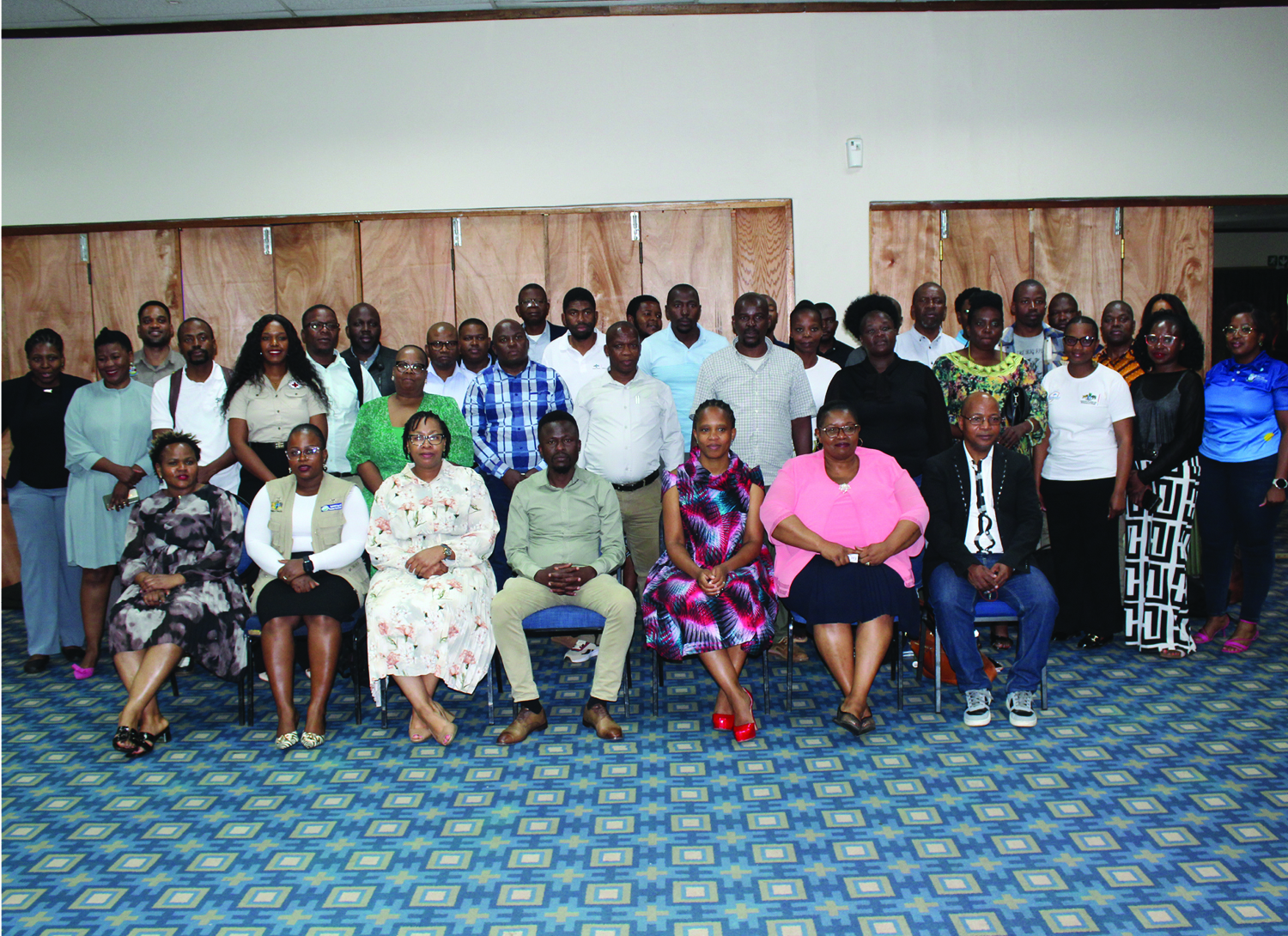
The warning was issued by Meteorologist Sifiso Nzalo yesterday during the National Climate Outlook Forum 2026/2027 held at The George Hotel in Manzini.
Nzalo said El Niño had already made its presence felt in the country, although it had not yet reached its peak. He said temperatures were expected to rise significantly once the phenomenon reached its peak, with the eastern parts of the country potentially recording maximum daytime temperatures of more than 40 Degrees Celsius.
“Once El Niño reaches its peak, we are expecting above-normal temperatures, even during the night,” Nzalo said.
He said climate projections also pointed to significant rainfall between October and December, particularly over the Highveld. The Highveld could receive between 400 and 500 millimetres of rainfall, while the Lowveld is expected to receive comparatively lower amounts of between 200 and 300 millimetres.
However, Nzalo said the situation remained under close observation, saying the Eswatini Meteorological Services would continue monitoring developments and provide regular updates to the public as the weather pattern evolved.
Meteorologist responsible for Climate Monitoring and Prediction at the Eswatini Meteorological Services, Lucky Nhlanhla Sigudla added that the latest climate projections pointed to a period of elevated temperatures across the country.
Sigudla said the forecasts served as an important early warning mechanism, giving communities, government and other stakeholders an opportunity to prepare for the anticipated heat and its potential consequences.
He linked the changing temperature patterns to climate change, saying the phenomenon was no longer a distant threat but a reality already being experienced around the world.
“Climate change has not only affected Eswatini but the whole world at large, resulting in above-normal temperatures being recorded worldwide,” he said.
Meanwhile, Climatologist Bongumenzi Themba sought to clarify that the Meteorological Services had not been silent about El Niño or deliberately withholding information from the public.
Themba said there were several factors that had to be carefully considered before releasing critical climate information, particularly given the potentially devastating consequences associated with El Niño.
He said the Meteorological Services had therefore been engaged in robust discussions about the current El Niño conditions, while also drawing lessons from the aftermath of previous occurrences of the phenomenon.
He noted that El Niño could bring a range of potentially destructive weather conditions.
“A lot comes to mind when you think about El Niño, including but not limited to drought and heavy rains, which normally leave a trail of destruction,” Themba said.
Ours is to plan – EswatiniMet
“IT is not ours to panic; ours is to plan.”
This was the reassuring message from Eswatini Meteorological Services Director Duduzile Nhlengethwa-Masina, as the country braces for the anticipated peak of the El Niño weather phenomenon.
Nhlengethwa-Masina acknowledged that the country was already experiencing what she described as a ‘super El Niño,’ which is expected to reach its peak in the next couple of months but cautioned locals against succumbing to panic.
She instead urged stakeholders across different sectors to focus on preparedness and put measures in place to minimise the potential effects of the phenomenon.
“It is not ours to panic, but ours is to plan. I charge stakeholders not to get into a panic mode because if you do, you will set the whole nation into a panic mode,” she said.
She called on various sectors to clearly communicate the challenges and impacts they will be experiencing from the El Niño, saying this would allow authorities and stakeholders to develop appropriate mitigation measures.
Nhlengethwa-Masina stated that, as the country moved closer to the expected peak of El Niño in the coming months, the Meteorological Services would continue issuing short-term weather forecasts to keep the public informed.
She urged locals to take these forecasts seriously, saying they would provide crucial guidance on how individuals, communities and different sectors should respond as the situation develops.
She said the focus should ultimately remain on ensuring that the anticipated effects of El Niño do not destabilise the country’s economic activities.
Farmers must adopt climate-smart farming practices
FARMERS have been urged to adopt climate-smart farming practices as the country prepares for the anticipated effects of El Niño, with authorities from the Ministry of Agriculture calling for early planting, crop diversification and efficient water management.
The call was made by Ministry of Agriculture acting Director Nikiwe Dlamini, who said farmers needed to adjust their farming practices in response to the projected weather conditions.
Dlamini advised farmers in areas expected to receive higher rainfall, particularly the Highveld, to take advantage of the first rains by planting early maturing crops. She said farmers should consider varieties that could reach maturity within 90 to 100 days, allowing them to harvest before the onset of potentially prolonged dry conditions.
“We urge farmers to start planting as early as the first rains and plant seeds that will mature within a period of 90 to 100 days,” she said.
Dlamini further encouraged farmers to embrace climate-smart practices such as mulching, which can help conserve soil moisture during dry periods.
Farmers with large tracts of land were also advised against planting their entire fields at once. Instead, Dlamini recommended dividing the land into blocks and planting in phases to mitigate the risk and make better use of available rainfall. She also stressed the importance of crop diversification, saying farmers should avoid relying on a single crop.
The strategy, she explained, would ensure that if one crop failed due to unfavourable weather conditions, other crops could still survive and provide a harvest. Dlamini further encouraged farmers to develop planting schedules and carefully monitor weather forecasts so they could maximise the periods when rainfall was available.
She also urged farmers to explore different irrigation methods, including drip irrigation, and make use of available water sources such as boreholes and dams.
“We also advise farmers to water their crops using different methods such as drip irrigation and water from boreholes or dams because, at the end of it all, we need to have food security as a country,” she said.
Meanwhile, Dlamini appealed to owners of idle farms, particularly in areas such as the Highveld, where rainfall is expected to be more abundant, to consider making their land available to farmers who are willing to produce food but are based in areas expected to experience limited rainfall.
She said such partnerships could help maximise agricultural production and strengthen the country’s food security during challenging climatic conditions.