



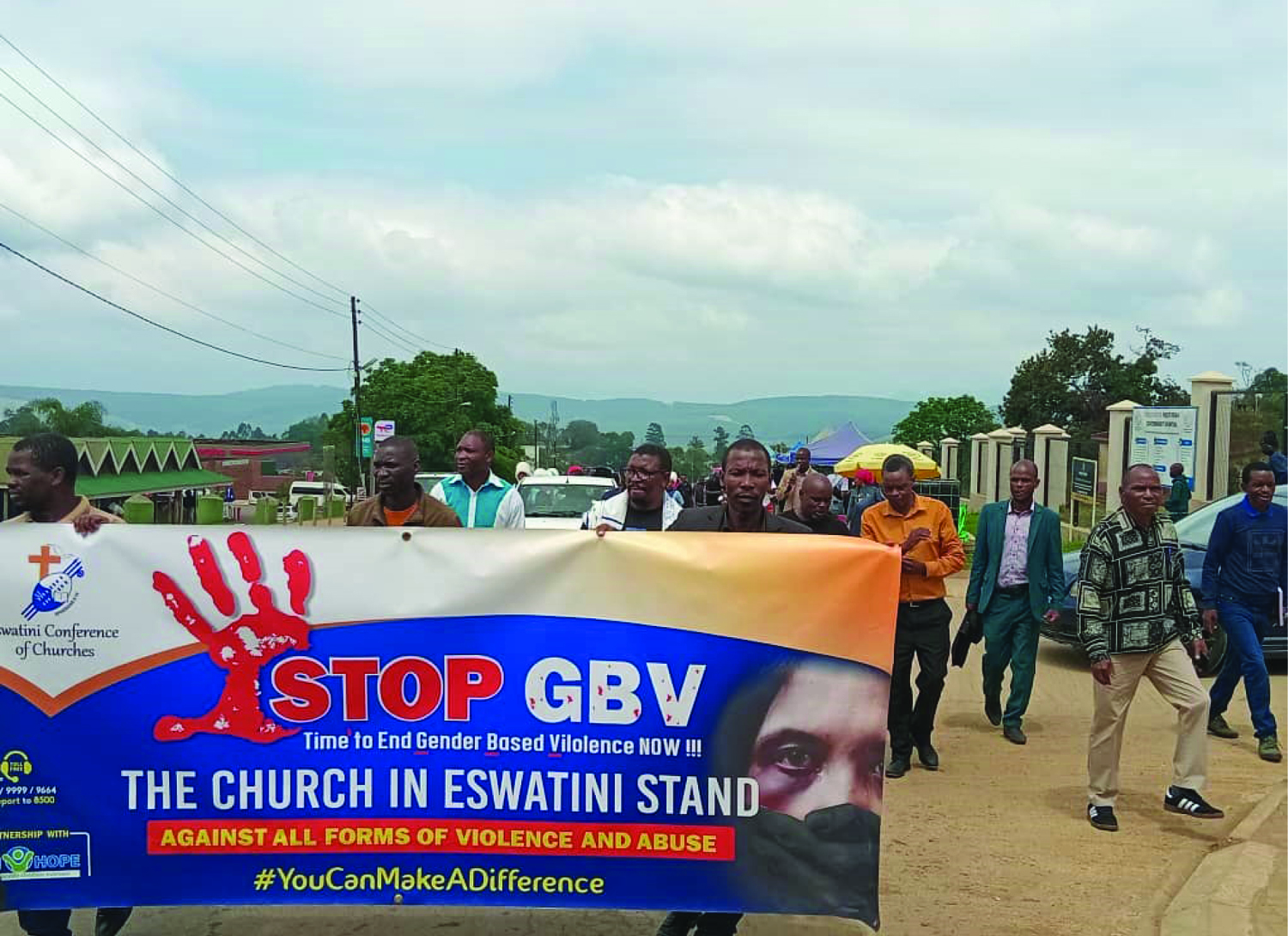
SOME pastors are allegedly sexually abusing female congregants under the guise of prophecy, taking advantage of vulnerable women and girls seeking spiritual healing and divine intervention.
The concerns were raised by Love of God Assemblies leader Apostle Mbongeni Khoza during the Eswatini Conference of Churches’ gender-based violence (GBV) awareness campaign held in Pigg’s Peak over the weekend.
Khoza said sexual violence was among the forms of abuse occurring within churches, with young women and girls reportedly bearing the brunt of such acts.
He alleged that some church leaders were abusing their spiritual authority to exploit congregants who trusted them for guidance, healing and prayer.
According to Khoza, some pastors use prophecy as a means of gaining access to vulnerable congregants before taking advantage of their desperation for spiritual assistance.
The clergyman said the problem was not confined to churches, noting that other men in positions of authority were also allegedly involved in the abuse of vulnerable individuals.
He said the situation was particularly troubling because churches were expected to provide safe environments where people could seek spiritual guidance without fear of exploitation.
Khoza revealed that cases of alleged abuse within churches had been reported, with some handled through internal church processes while others were referred to police.
He said survivors were often silenced through threats and intimidation, making it difficult for them to report their experiences.
The apostle said some of the pastors implicated in such allegations belonged to well-known churches, which further discouraged victims from speaking out due to the influence wielded by church leaders.
Khoza also highlighted emotional abuse as another form of violence affecting congregants, allegedly perpetrated by both intimate partners and church leaders.
He said survivors often delayed reporting abuse because they feared victimisation, intimidation or further harm.
The apostle said churches needed to take a firmer stand against all forms of gender-based violence and strengthen accountability within religious institutions.
He questioned the effectiveness of existing oversight mechanisms, saying church leaders must also be held accountable for their conduct.
Khoza called for a robust policy framework to monitor church leaders, particularly when allegations of misconduct arise.
He said churches needed clear procedures for receiving complaints, investigating allegations and taking appropriate action where wrongdoing was established.
He also stressed the importance of creating an environment where survivors could report abuse without fear of intimidation or pressure to remain silent.
Khoza further raised concerns about the emergence of breakaway churches, suggesting that some were formed following internal disputes involving allegations of misconduct against founders or leaders.
According to the apostle, this raised questions about whether current church systems were adequately equipped to deal with allegations against leaders.
He said stronger accountability structures would help churches address misconduct internally and protect their credibility.
“The church has a responsibility to confront abuse within its own structures and ensure that religious authority is not used to exploit those seeking spiritual support,” said Khoza.
He added that the fight against GBV required churches to examine their own practices and put measures in place to protect vulnerable members.
Khoza said religious institutions must ensure leaders are accountable and that congregants could seek spiritual assistance without being subjected to sexual, emotional or any other form of abuse.
Conference of Churches confirms receiving reports of wayward pastors
THE Eswatini Conference of Churches (ECC) has confirmed receiving reports of pastors and church leaders accused of sexually abusing members of their congregations.
Vice President Hamilton Malaza said while the number of cases known to the church body was negligible, some reports had been brought to its attention and addressed through the relevant channels and processes.
He said some cases became difficult to pursue when complainants failed to maintain their accounts during internal investigations.
However, he stressed that the church condemned sexual abuse and all other forms of violence, regardless of who was accused. Malaza said the ECC normally communicated its position through statements issued by the office of its chief executive officer whenever such incidents arose.
He noted that some survivors took time to report alleged abuse because they feared the consequences of speaking out against their spiritual leaders.
Others, he said, lacked confidence in internal reporting mechanisms or feared they would not be believed over pastors accused of abuse.
Malaza also observed that the culture of tibi tendlu, which encourages keeping matters within the family or institution, existed within churches and could contribute to the concealment of abuse cases.
He said some survivors and church members preferred to keep such matters private rather than expose them publicly.
He said research was needed to establish why survivors delayed reporting sexual abuse and to identify factors discouraging them from coming forward.
Malaza explained that such research would help uncover the underlying causes and assist in finding ways to address the problem.
Meanwhile, he said the ECC remained firmly opposed to GBV and viewed campaigns against the scourge as important initiatives.
He appealed to churches and the nation at large to respect one another and refrain from all forms of abuse, emphasising the need to create safe environments where survivors could report abuse without fear.
| Speaker / Body | Position Reported | Action or Remedy Sought |
|---|---|---|
| Apostle Mbongeni Khoza, Love of God Assemblies | Alleges some pastors use prophecy to exploit vulnerable women and girls; says survivors may be silenced by threats and church leaders’ influence. | Calls for oversight, complaint procedures, investigations and protection from intimidation. |
| Hamilton Malaza, ECC Vice President | Confirms some reports were received, but says known cases are negligible; notes fear, distrust and tibi tendlu may conceal abuse. | Says reports are handled through relevant channels and calls for research into delayed reporting. |
| Eswatini Conference of Churches | Condemns sexual abuse and all other violence, regardless of who is accused. | Communicates its position through statements from the chief executive officer’s office. |
Summary of positions reported during and after the Eswatini Conference of Churches’ GBV awareness campaign in Pigg’s Peak.