



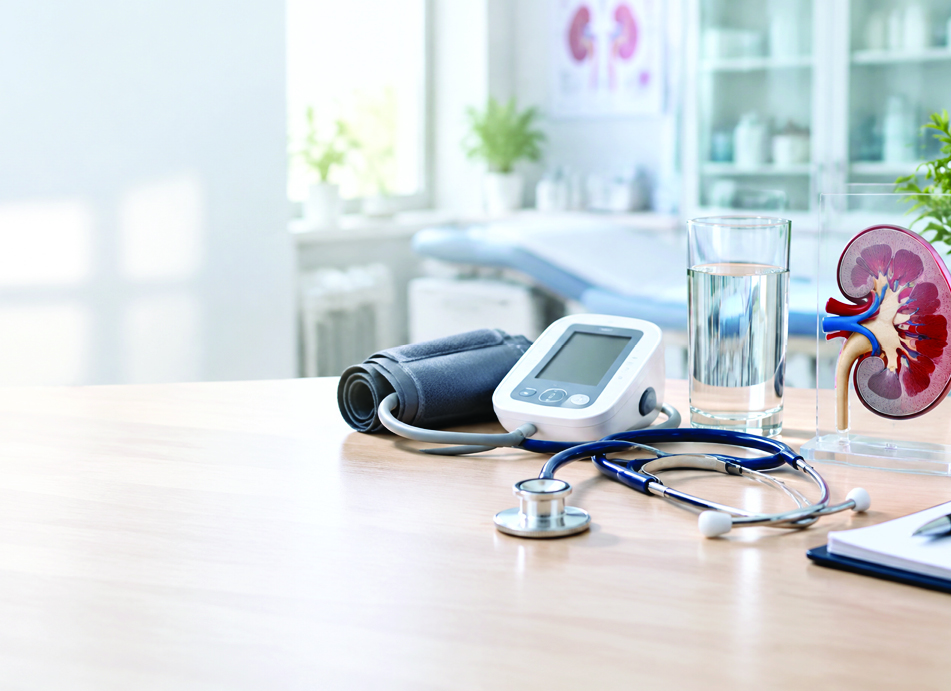
Ekuphileni Clinic is stepping up to answer some of the most critical questions about kidney health.
Often called the body’s ‘silent workers,’ your kidneys play a massive role in keeping you healthy, yet kidney disease frequently goes unnoticed until it becomes severe.
This week, our medical team addresses common questions from the community to help you protect these vital organs.
WHAT EXACTLY DO MY KIDNEYS DO?
While urine production is the most visible task, your kidneys are sophisticated chemical factories working 24/7. Each day, your two bean-shaped kidneys filter roughly 180 litres of blood to extract fluid, control mineral balance and remove waste through urine. Beyond filtering, they regulate your blood pressure, stimulate red blood cell production and maintain healthy bones by activating Vitamin D.
WHY IS KIDNEY DISEASE CALLED A ‘SILENT KILLER’?
Early-stage Chronic Kidney Disease (CKD) rarely causes noticeable symptoms. You can lose up to 90% of your kidney function before feeling unwell. When symptoms finally do appear in advanced stages, they often include:
-
Unexplained fatigue or difficulty concentrating
-
Swelling (edema) in your feet, ankles, or legs
-
Foamy or bloody urine
-
Persistent puffiness around your eyes
-
Changes in urination frequency (especially at night)
Because early damage is quiet, relying on symptoms alone isn’t enough—routine screening is your best defence.
WHO IS MOST AT RISK FOR DEVELOPING KIDNEY DISEASE?
The two leading causes of kidney failure worldwide are high blood pressure (hypertension) and diabetes. High blood sugar damages the tiny filtering units (nephrons) inside the kidney over time, while high blood pressure strains and hardens the blood vessels leading to and within the kidneys.
Other key risk factors include:
-
Family history of kidney problems
-
Heart disease
-
Obesity
-
Long-term, heavy use of nonprescription pain relievers (NSAIDs like ibuprofen)
-
Smoking and excessive alcohol intake
WHAT PRACTICAL DAILY STEPS CAN I TAKE TO KEEP MY KIDNEYS HEALTHY?
Protecting your kidneys doesn’t require drastic measures, it comes down to small, consistent habits:
-
Keep Active & Fit: Regular physical activity keeps your blood pressure down and lowers heart risk.
-
Monitor Blood Sugar & Pressure: If you are diabetic or hypertensive, strict management is the single best way to preserve kidney function.
-
Drink Adequate Water: Staying hydrated helps the kidneys clear sodium and toxins from the body. (Aim for 1.5 to 2 litres daily unless advised otherwise by a doctor).
-
Mind Your Salt & Processed Foods: High sodium diets increase blood pressure and overload the kidneys. Focus on fresh, whole foods.
-
Be Cautious with Over-the-Counter Painkillers: Frequent intake of pain medications can cause subtle kidney damage over time. Always consult a healthcare professional before long-term use.
-
Get Checked Annually: Simple, quick tests—such as a routine urine check for protein and a routine blood test for creatinine—can catch kidney disease long before you feel sick.
TAKE ACTION THIS KIDNEY AWARENESS WEEK
At Ekuphileni Clinic, we encourage everyone—especially those living with hypertension, diabetes, or a family history of kidney issues—to stop by for a simple kidney checkup. Knowing your numbers today could save your life tomorrow. Our facility has a specialized medical team, including dedicated kidney care professionals, available for comprehensive evaluations.
For consultations, routine health checks, or chronic disease management, visit Ekuphileni Clinic or contact our care team today at 76023380/79760893
| Topic | Information in the supplied article |
|---|---|
| Risk factors | High blood pressure, diabetes, family history, heart disease, obesity, long-term heavy use of nonprescription pain relievers, smoking and excessive alcohol intake. |
| Possible symptoms | Fatigue or difficulty concentrating, swelling, foamy or bloody urine, puffiness around the eyes and changes in urination frequency. |
| Checks mentioned | Urine testing for protein and a blood test for creatinine. A healthcare professional can advise which tests and frequency are appropriate. |
| Daily habits mentioned | Physical activity, management of blood sugar and blood pressure, attention to salt and processed foods, and caution with long-term use of over-the-counter painkillers. |
Source: Clinic-supplied kidney health Q&A. General information only;
readers should seek personalised advice from a healthcare professional.