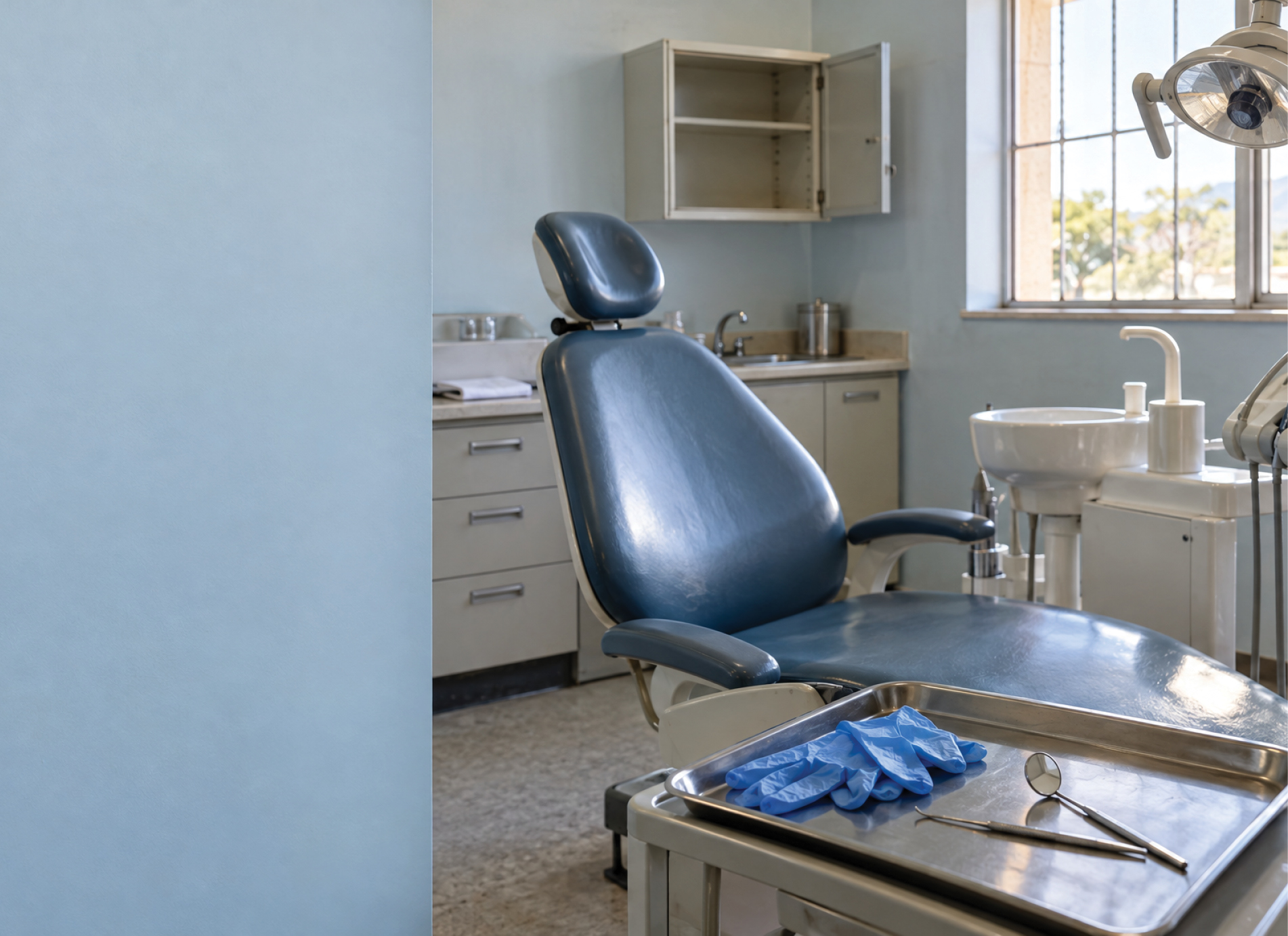
Most public health facilities have run out of dental local anaesthetic, plunging hundreds of patients into agony and forcing the health centres to turn them away without treatment.
The public hospitals and clinics are without lidocaine hydrochloride injection, the standard drug used to numb gums before tooth extraction. The shortage, now entering its third week, comes in the wake of a critical shortage of diabetes medication, exposing deepening cracks in the public drug supply chain.
A concerned doctor who preferred anonymity revealed that health facilities were only prescribing painkillers and sending patients home. The doctor added that no extractions were being conducted.
Swaziland Democratic Nurses Union (SWADNU) Secretary General Saneliso Mavuso said the shortage of lidocaine was not new, but had become chronic.
“This is not the first time. If health facilities have two months’ stock of the drug, it is by chance,” he said.
Mavuso said patients requiring extractions have no alternative and are forced to endure unbearable toothache.
“The only process to remove a tooth is to first inject lidocaine to numb the pain. This is another form of torture which clients visiting the dental department are subjected to,” he said.
Adding, he said patients could not even buy the drug over the counter as it is a prescription medicine administered only by health professionals, leaving them at the mercy of government supplies.
“Even if you have money, it is impossible to buy the injection over the counter,” he said.
Mavuso dismissed government claims that the drug situation was stabilising.
“Whenever they restock one item that has been reported to be out of stock, there are other medicines that run out. The situation never stabilises. Public healthcare is not improving and that is very unfortunate,” he said.
The shortage raises serious questions about procurement and stock management at the Central Medical Stores. The ministry of health had not responded to a questionnaire sent on Thursday asking when the shortage was first detected, what caused it, what emergency measures have been put in place and when new stock is expected.
Efforts to get comment from the ministry proved unsuccessful by the time of going to press yesterday.
Ministry of Health Principal Secretary Khanya Mabuza was called more than 10 times and a WhatsApp message was sent to him, but he did not respond. Deputy Director Clinical Dr Bongiwe Malinga was also called but did not respond to calls from this newspaper.
Meanwhile, delaying extractions due to lack of anaesthetic could lead to severe complications, including the spread of infection, jaw abscesses and sepsis, particularly in patients with compromised immunity.
Lidocaine hydrochloride is listed as a vital essential medicine and is also used for minor surgical procedures and for managing cardiac arrhythmia in emergency settings.