THE Eswatini Football Association (EFA) deserves a huge pat on the back for organising two international friendly matches for the senior men’s national team Sihlangu Semnikati, against Malta and Suriname.
Regardless of the results, these were two important encounters that offered Eswatini football something it has desperately needed over the years: exposure to different football cultures, playing styles and levels of competition.
Indeed, these matches were historic in many respects. For the first time Sihlangu had an opportunity to test themselves against European opposition, marking an important milestone for the national team. Such opportunities do not come around often for Eswatini and the fact that the association managed to arrange these encounters deserves recognition.
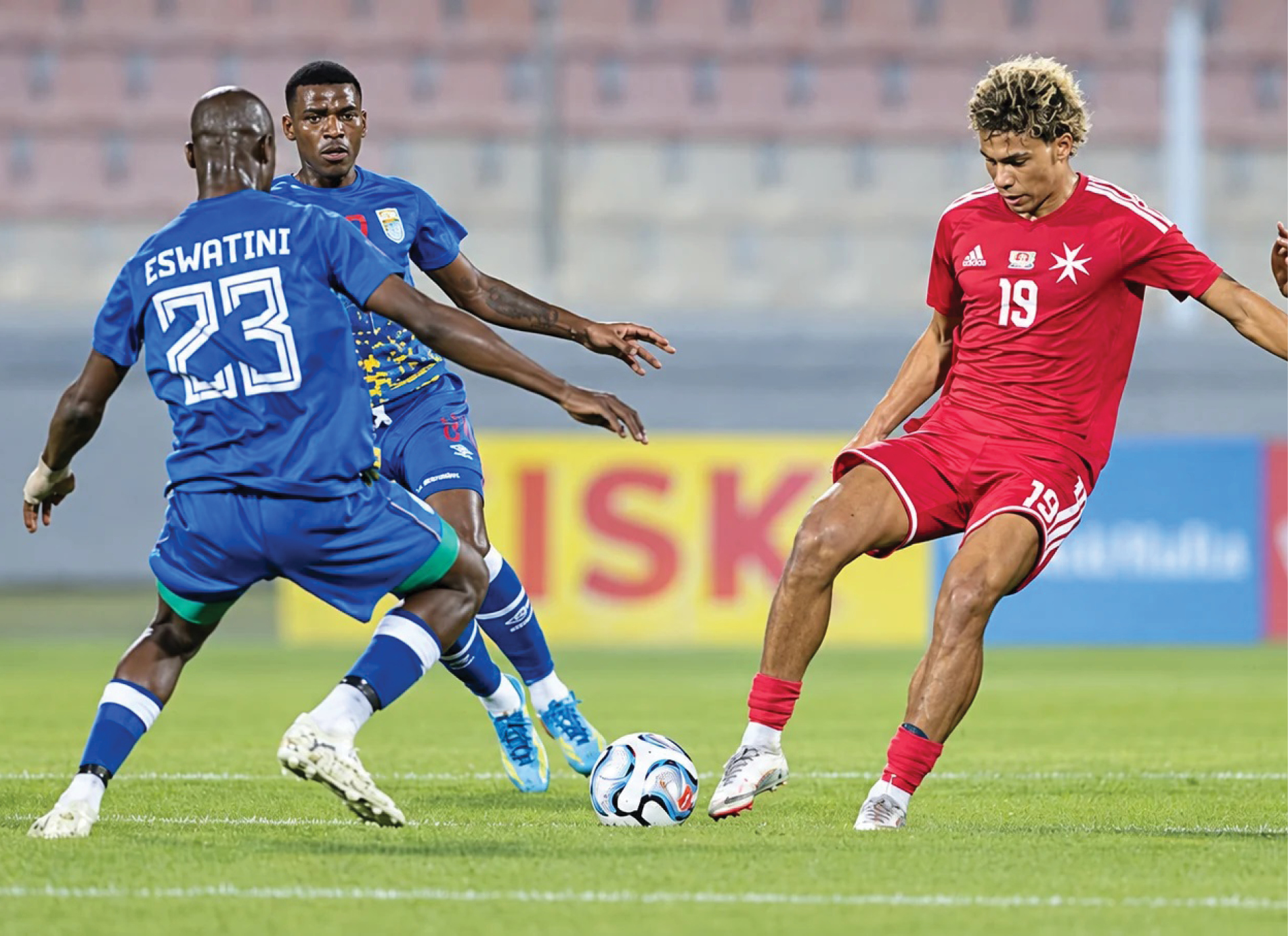
The first assignment against Malta was particularly encouraging. Sihlangu secured a 1-1 draw in a match that will undoubtedly go down as a memorable moment in the country’s football history. It was not just about avoiding defeat against European opposition; it was about demonstrating that our players can compete at an international level when given the right platform.
Personally, I was particularly impressed with the team’s performance against Malta. Sihlangu played good football and on another day they could easily have walked away with a victory. The players showed determination, confidence and a willingness to compete. It was a performance that deserved more than just a draw.
Another special moment from that encounter was Philani Mkhonto’s achievement of scoring his first international goal on European soil. That is a significant personal milestone for the player and an important moment for the national team. Such achievements may appear small to some but they contribute to building confidence and creating memorable experiences for players representing their country.
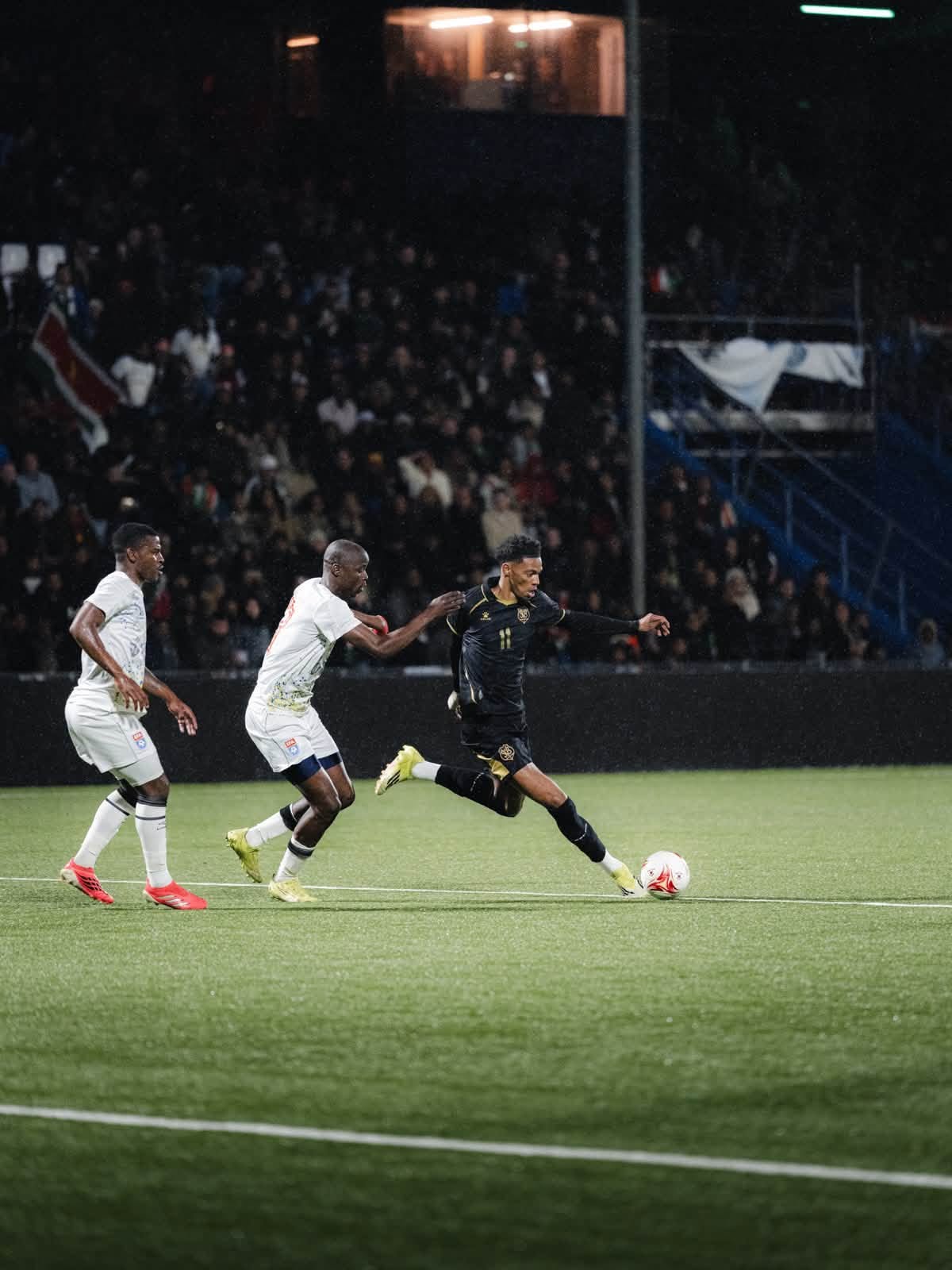
However, the second assignment against Suriname presented a completely different challenge. Although Suriname is a South American country, the encounter was played in the Netherlands where Sihlangu suffered a 4-0 defeat. While the result was disappointing, I believe there is more to take from that match than the scoreline suggests. Suriname presented a tactically superior opposition and the encounter exposed areas where our players still need to improve. It was a reality check but one that was necessary.
Football development is not only about winning matches. It is also about understanding where you stand in comparison with other nations, identifying weaknesses and learning what is required to compete at a higher level. The Suriname match provided precisely that opportunity.
For me, these two matches were valuable because they offered two completely different footballing experiences. Malta gave Sihlangu an opportunity to compete and believe while Suriname provided a stern examination of their tactical awareness, organisation and overall competitiveness.
There has also been discussion surrounding the financial motivation behind organising these matches, particularly the FIFA grant of E1.8 million linked to member associations meeting the requirement of playing at least four international matches in a year. Having already played Eritrea twice earlier this year, these two fixtures brought Sihlangu’s tally to four matches, making the association eligible for the grant, subject to FIFA’s applicable requirements.
While the financial aspect cannot be ignored, I do not believe it should overshadow the bigger picture. If meeting the requirements also means giving our players opportunities to compete against unfamiliar opponents, then that is a positive outcome. What matters most is that the national team benefited from the exposure.
For years, we have complained about Sihlangu repeatedly facing familiar opposition in friendly matches. While regional encounters have their place, our football cannot grow if we continue exposing players to the same opponents and similar playing styles. We need to venture beyond our comfort zone and EFA has demonstrated that this is possible.
My only major disappointment, however, was seeing the team led by coach Dominic Kunene. I appreciate that he was appointed on an interim basis but I strongly believe this was an opportunity to introduce a new coach who could assess the players, understand the team’s strengths and weaknesses and begin laying the foundation for the future.
The concern is continuity. If Kunene is to be replaced upon the team’s return home, the association risks losing valuable momentum. A new coach will have to start the assessment process afresh, despite the team having just completed two important international assignments.
This is where EFA needs to improve its planning. The appointment of a substantive coach should be handled with urgency so that the experience gained from these matches is not wasted. The players need direction, stability and a clear technical vision going forward.
Nevertheless, I must commend EFA for taking this initiative. These are the kinds of international assignments that can inspire players, broaden their understanding of the game and expose them to dimensions of football they rarely experience.
Whether these matches were organised partly to satisfy FIFA’s funding requirements is not my primary concern. What I know is that they were important for Sihlangu.
This is one of the best things EFA has done for the national team in many years. The association must keep this momentum going and organise more matches against European, South American and other international opponents.
If we are serious about improving Eswatini football, we must be prepared to compete beyond our familiar surroundings. EFA has shown that it can be done. Now, the challenge is to make it a consistent practice rather than a once-off achievement. For taking Sihlangu beyond familiar territory, EFA deserves applause. Let us have more of these games!