



Poverty, unemployment and sexual exploitation continue to expose adolescent girls and young women to HIV infection, threatening to undermine the country remarkable progress in combating the epidemic.
Princess Tiyandza has called for urgent interventions to address the socio-economic circumstances that heighten the vulnerability of young women and girls, particularly those aged between 15 and 29.
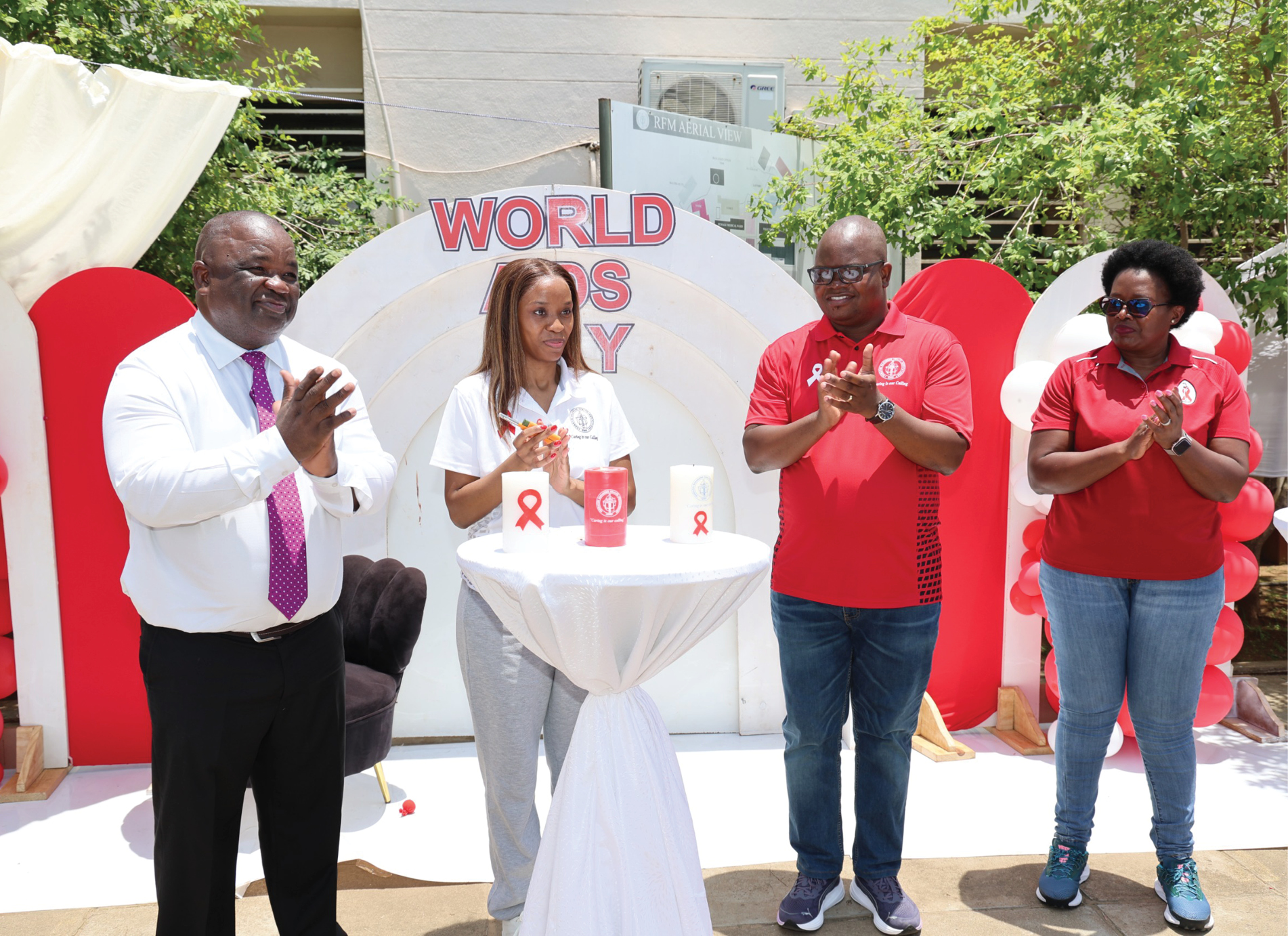
Speaking during the World AIDS Day commemoration hosted by Eswatini Nazarene Health Institutions (ENHI) at the Raleigh Fitkin Memorial (RFM) Hospital yesterday, the princess emphasised that protecting young women required interventions extending beyond conventional HIV prevention programmes.
The commemoration was themed, ‘Ending AIDS in Eswatini Starts with Access’. The princess identified poverty, unemployment, transactional and intergenerational relationships, gender-based violence, sexual exploitation and inadequate access to prevention services as factors placing young women at risk. She stressed that empowering girls through education, economic opportunities and protection against violence was fundamental to reducing new infections. “No girl should have to exchange her safety, dignity, education or future for survival,” she said. Princess Tiyandza further challenged men and boys to confront attitudes and behaviours that perpetuated gender inequality, while taking greater responsibility for their sexual health and that of their partners.
She encouraged them to undergo HIV testing, practise safer sex and seek medical assistance without embarrassment, emphasising that HIV prevention was a shared responsibility.
While acknowledging the kingdom’s significant achievements in HIV testing, treatment coverage and viral suppression, the princess warned against complacency, particularly while vulnerable populations continued to encounter barriers to healthcare.
She explained that the availability of healthcare facilities and medication did not necessarily translate into meaningful access.
People who could not afford transport, feared discrimination or felt unsafe seeking medical assistance remained at risk of being excluded from essential services.
The princess also condemned the discrimination of people with HIV in workplaces, schools, churches and communities, appealing to traditional and religious leaders to promote compassion and acceptance.
“HIV is a health condition, not a measure of a person’s character or worth,” she said. She maintained that people with HIV deserved equal opportunities and comprehensive healthcare, including support for other conditions such as diabetes, hypertension, cancer and mental health challenges.
Invoking His Majesty King Mswati III’s Nkwemandate, Princess Tiyandza called for sustainable investment in accessible healthcare and greater collaboration among government, development partners and communities.
She said the country’s HIV response could not be considered complete while young girls remained vulnerable to exploitation, men feared testing and people with HIV continued to experience discrimination.
…ENHI achieves 98% HIV viral suppression
From hospital wards once overwhelmed by patients suffering from advanced HIV disease to achieving a 98% viral suppression rate, Eswatini Nazarene Health Institutions (ENHI) has recorded a remarkable transformation in its fight against HIV and AIDS.
The institution currently provides HIV treatment and care to approximately 27 000 people, reflecting significant progress in sustaining treatment and improving the quality of life of people with HIV.
This was revealed by Raleigh Fitkin Memorial (RFM) Hospital Head of the TB/HIV and Palliative Care Clinic Department, Dr Kombe Makadi Joel, during ENHI’s World AIDS Day commemoration yesterday.
Joel, who also leads the ENHI TB/HIV Clinical Mentorship Programme, disclosed that the institution had achieved 98% viral suppression among patients with documented viral-load results.
He said the achievement demonstrated how sustained investment, effective treatment programmes and collaboration had transformed the lives of thousands of people who previously faced devastating health outcomes.
“Once, our wards were overwhelmed by advanced HIV disease. Today, people with HIV are raising families, pursuing their dreams and living healthier lives,” he said.
Providing further insight into the institution’s achievements, Princess Tiyandza revealed that ENHI was providing antiretroviral treatment to 26 659 adults and children. By the end of September, she said, 25 236 patients with documented viral-load results had achieved viral suppression. Within a single quarter, the institution had also enrolled 394 people on pre-exposure prophylaxis (PrEP) and provided follow-up HIV prevention services to 600 people.
Furthermore, 197 pregnant women living with HIV received medication to prevent mother-to-child transmission, while 783 infants underwent early HIV testing. Despite these achievements, Joel stressed that sustaining progress towards ending AIDS as a public health threat by 2030 would require continued investment in prevention and accessible treatment.
He said ENHI would strengthen community outreach, HIV testing and access to PrEP, while integrating HIV services with treatment and screening for tuberculosis, hypertension, diabetes and cervical cancer.
Through its clinical mentorship programme, the institution was also strengthening healthcare services across all four regions of the country.
Joel expressed optimism over emerging innovations, including long-acting injectable HIV prevention and improved treatment options, but cautioned that their effectiveness depended on equitable access. “No medicine can save a life if it does not reach the person who needs it,” he said. He encouraged people with HIV to remain on treatment and keep their medical appointments, while urging those unaware of their status to undergo testing. “We have come too far to turn back. We have saved too many lives to relax now,” Joel said.
…Poor patient experiences threaten HIV treatment retention
Long waiting times, compromised confidentiality and the manner in which patients are received at healthcare facilities could discourage people with HIV from returning for essential treatment.
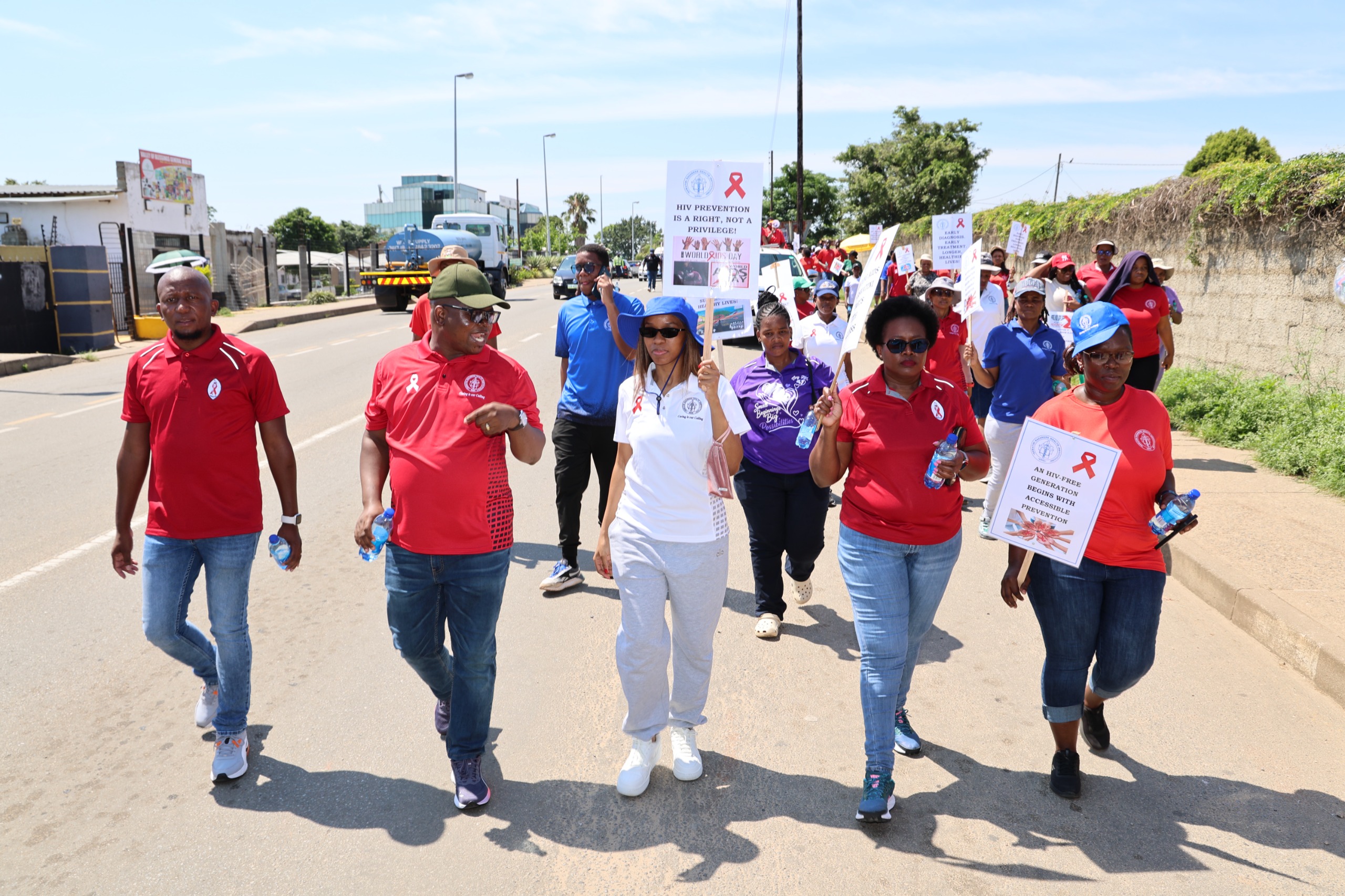
The National Emergency Response Council on HIV and AIDS (NERCHA) has called on healthcare institutions to pay greater attention to patients’ experiences, warning that the quality of interactions between healthcare workers and patients could influence continued access to lifesaving services.
NERCHA National Executive Director Dr Nondumiso Ncube made the remarks during the World AIDS Day commemoration hosted by Eswatini Nazarene Health Institutions (ENHI) at the Raleigh Fitkin Memorial (RFM) Hospital yesterday.
As the country marks 40 years since its first reported HIV case, Ncube said recent regional engagements ahead of World AIDS Day had provided valuable insight into the difficulties communities continued to encounter when seeking healthcare.
Although some barriers required interventions beyond the health sector, she maintained that healthcare institutions had a responsibility to address shortcomings within their control.
“The manner in which a patient is received, the confidentiality afforded to them, the time they spend waiting for services and the quality of information they receive can influence their willingness to return for care,” she said.
Ncube emphasised the importance of reaching people who had interrupted antiretroviral treatment, those reluctant to seek medical assistance and individuals experiencing difficulties accessing HIV prevention services.
She further advocated for the integration of HIV services with tuberculosis, non-communicable diseases, sexual and reproductive health and mental health services, saying patients should not be defined by a single medical condition.
However, Ncube cautioned that efforts to improve patient care should not overlook the welfare of healthcare workers themselves. She highlighted long working hours, demanding workloads, occupational exposure to infections and the emotional burden of caring for critically ill patients as challenges that could compromise healthcare workers’ physical and psychological wellbeing.
She called for strengthened workplace wellness programmes, including confidential HIV testing, prevention and treatment services, occupational safety measures, post-exposure prophylaxis and psychosocial support.
Healthcare workers, she said, should be able to access medical services without fearing discrimination, stigma or breaches of confidentiality.
“We cannot build a healthy nation without investing in the health and wellbeing of those entrusted with caring for it,” Ncube said.
The executive director reaffirmed NERCHA’s commitment to collaborating with ENHI to strengthen HIV prevention, improve healthcare access and promote workplace wellness.
She also acknowledged the longstanding contribution of faith-based healthcare institutions to the national HIV response, particularly in extending compassionate healthcare services to communities.
Ncube maintained that ending AIDS required healthcare institutions to build trust, uphold human dignity and consistently deliver quality care.