


THE United Nations Development Programme (UNDP) and the United Nations Population Fund (UNFPA) have reaffirmed a shared and strategic commitment to sustainable, inclusive and resilient development.
They expressed their support to economic transformation and resilience.
This was discussed during the launch of the UNDP and UNFPA joint Country Programme Documents (CPDs) for 2026–2030.
It marked the unveiling of the 8th UNFPA Country Programme alongside the UNDP Country Programme Document, both aligned to national priorities and global development frameworks.
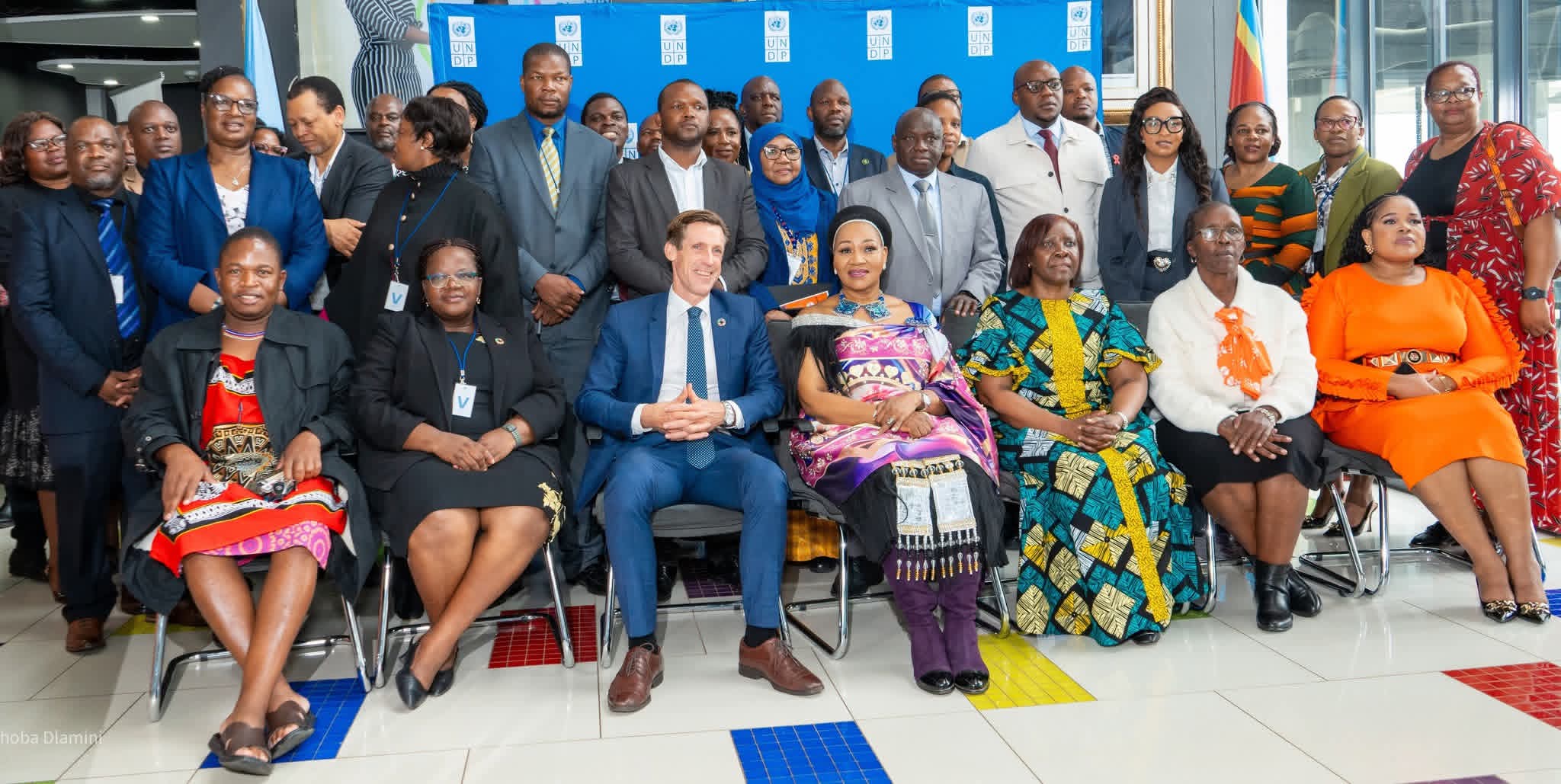
Held at the UN House in Mbabane, the launch convened government officials, policymakers, private sector leaders, civil society organisations and development partners – demonstrating strong national ownership and broad-based support for the country’s development agenda.
UNDP’s new country programme focuses on prosperity for all, effective governance, a healthy planet and strengthened crisis resilience; supporting MSMEs, youth-led innovation, green economic growth and climate resilience while mobilising financing for sustainable development.
UNFPA 8th Country Programme prioritises sexual and reproductive health and rights (SRHR), gender equality and population data with a strong emphasis on reducing teenage pregnancies by half by 2030 through expanded, equitable access to quality services.
UNDP Resident Representative Henrik Franklin said the country programme was anchored on four strategic pillars: prosperity for all, effective governance, a healthy planet and crisis resilience.
READ MORE | EWADE signs MoUs with 4 entities to improve food production
He said as UNDP marks 60 years globally and 48 years of operations in the country, the agency reaffirmed its commitment to supporting the country’s long-term development ambitions.
“Key priorities include strengthening micro, small and medium enterprises (MSMEs), improving access to domestic and international markets, and fostering innovation by harnessing the potential of the country’s youth.
“The programme also promotes green economic growth that creates jobs while safeguarding Eswatini’s rich natural capital,” he said.
In addition, the UNDP will continue supporting good governance reforms and building resilience to climate change and other external shocks.

Franklin acknowledged the global financial uncertainties affecting development financing, noting that while UNDP may not bring large financial resources, it played a critical catalytic role.
He reaffirmed the commitment of both UNDP and UNFPA to stand with the government and Emaswati throughout the five-year implementation period.
“We are committed to supporting Eswatini to leverage its internal assets and mobilise both domestic and external resources for critical investments,” he said, while commending the government’s cost-sharing contributions under the current CPD, particularly in youth empowerment and economic transformation.
“Through strong partnerships, accountability, innovation and evidence-driven implementation, we are confident that these programmes will contribute meaningfully to national development outcomes. Together, we are working towards a future where no Liswati is left behind,” added Franklin.
The launch underscored the enduring partnership between Eswatini and the United Nations, and a shared determination to translate policy into tangible improvements in people’s lives over the next five years.
Franklin described the occasion as a milestone in the long-standing partnership between the United Nations and Government. He said it was a testament to their commitment to working together and delivering as one, under the leadership of the UN resident coordinator.
He added that the launch came at a time when Eswatini, like many countries, faces complex and interconnected challenges, including climate-related shocks, economic pressures and widening inequalities. Franklin emphasised that women, adolescent girls, young people and persons with disabilities were often the most affected.
“The new programmes place a strong emphasis on resilience, equity and inclusion. They are designed to respond to the lived realities of Emaswati and ensure that development progress reaches even the most vulnerable and hard-to-reach communities.”
Both programmes are aligned with the National Development Plan (2024–2028), sectoral strategies and the United Nations Sustainable Development Cooperation Framework (2026–2030), ensuring coherence and national ownership.
Minister of Economic Planning and Development emphasised the importance of coordinated partnerships and delivering as one to accelerate inclusive growth and improve the well-being of all Emaswati.
He was represented by Principal Secretary Thabisile Mlangeni.
“More than a milestone, the joint launch is a call to collective action. Together with the Government of Eswatini, UNDP and UNFPA reaffirm their commitment to accountability, innovation, and evidence-based implementation ensuring that no one is left behind,” she added