INDIVIDUALS with assets worth E3 million or more will come under a broader High-Net-Worth Individual (HNWI) framework as the 2026 tax filing season gets underway.
The Eswatini Revenue Service (ERS) has expanded its HNWI criteria beyond annual income to include individuals whose combined holdings of immovable and movable property, financial investments, shares and bonds are valued at E3 million or more.
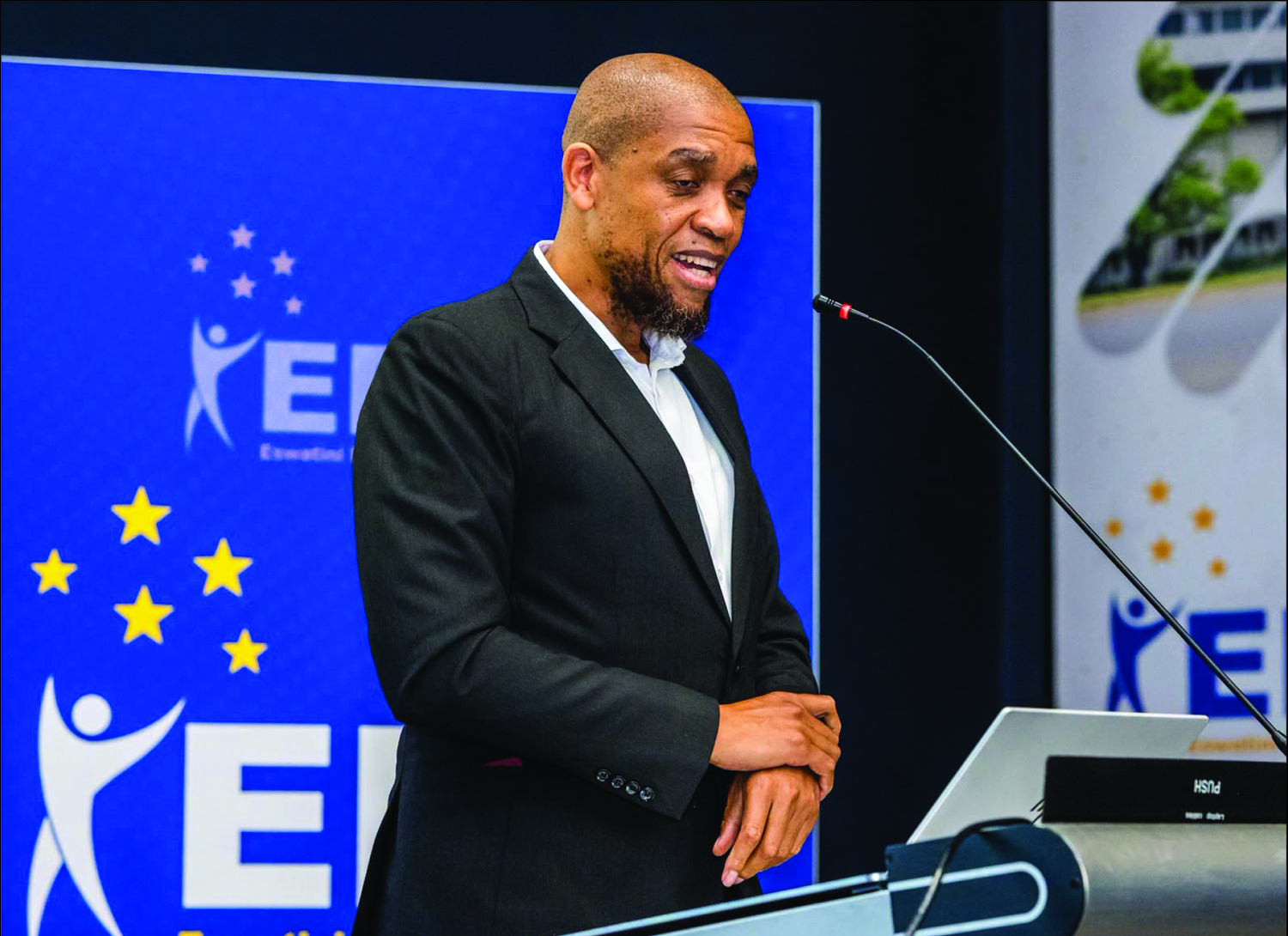
ERS Commissioner General Brightwell Nkambule said the change was intended to give the revenue authority a fuller picture of taxpayers’ economic circumstances, particularly where wealth may not be reflected in annual income.
The expanded criteria will also bring trustees and founders, excluding trustees of recognised and registered pension funds, into the HNWI category. Nkambule stressed that the new threshold does not amount to a tax being imposed on the assets themselves.
“These assets must be declared. We’re not saying the assets will be taxed, but they must be declared,” he said during the launch of the 2026 Income Tax Return Filing Season at the ERS headquarters in Ezulwini yesterday.
The ERS will rely partly on municipalities to verify information relating to immovable property, potentially giving local authorities a more significant role in the revenue administration process.
“Municipalities will, therefore, be important partners in helping us validate information relating to immovable property,” Nkambule said.
The development comes as the ERS seeks to strengthen compliance among taxpayers, whose declared income may not fully correspond with their assets and economic activities.
Nkambule assured that the strategy was not aimed at discouraging investment or wealth creation, but at improving transparency and ensuring that taxpayers meet their obligations under the law.
The ERS’ stated mandate includes assessing and collecting government revenue, promoting compliance and countering tax fraud and evasion. Its stated vision is “100% voluntary compliance for a better Kingdom of Eswatini.”
The commissioner general also pointed to a broader shift towards more direct engagement with taxpayers through the expansion of client relationship consultants.
“We want to move away from a situation where the relationship between the client and the ERS only begins when there is a problem,” he said.
Apply brakes on spending – BE CEO
BUSINESS Eswatini (BE) has raised concerns over rising public debt, urging government to restrain spending and prioritise projects as debt growth outpaces economic expansion.
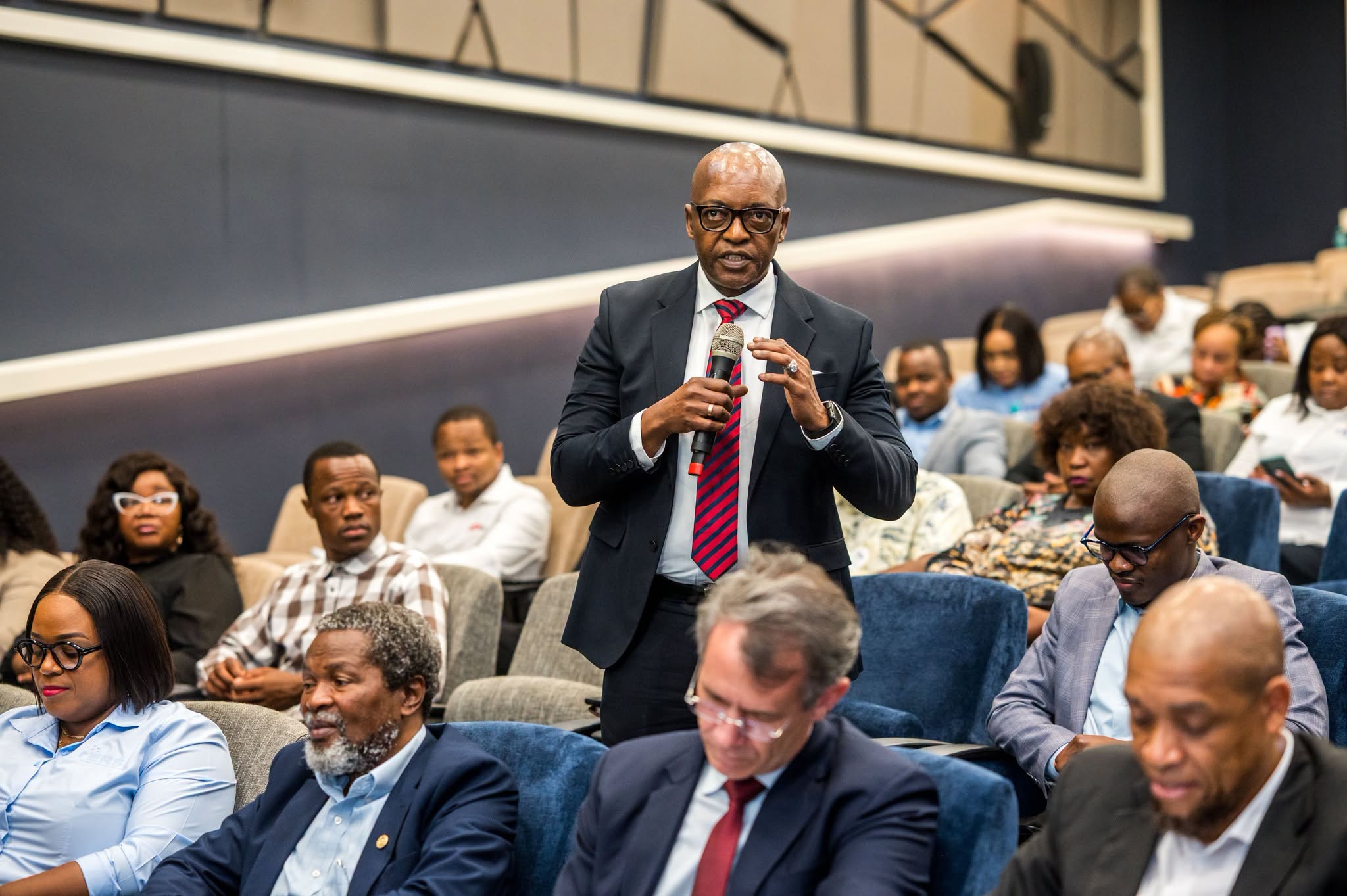
Business Eswatini CEO E. Nathi Dlamini said the country’s debt-to-GDP ratio had moved above 40%, after remaining below about 38% for much of the past eight years.
Dlamini said the increase was becoming a concern for the private sector, particularly given the country’s previous record of fiscal prudence and relatively low debt levels.
“We are asking government to respectfully see if they can apply the brakes on our spending,” Dlamini said.
He acknowledged that many of the projects being undertaken by government were necessary, but argued that spending decisions should take greater account of the country’s debt position.
“The thing is, how do we prioritise? How can we delay other projects that are coming later years as opposed to now?” he said.
Dlamini also pointed to economic growth, saying the country had recorded growth of around 4% to 5% or higher in recent years. His concern was that debt was increasing faster than the economy was expanding.
He warned that continued increases in the debt ratio could make it increasingly difficult to reverse the trend and could place additional pressure on government finances through debt-service costs.
Dlamini urged Minister of Finance Neal Rijkenberg to restore the fiscal restraint for which he said the country had previously been recognised in the region.
“Unless something is so important that we cannot do without in this country, let’s apply the restraint that needs to be applied,” he said.
He said this would be good for the country’s economic credibility and the business environment.
E19.48bn target is everyone’s business – Neal
MINISTER of Finance Neal Rijkenberg has urged taxpayers to play their part in helping the country meet an E19.48 billion domestic revenue target for 2026/27.
Launching the 2026 Annual Income Tax Return Filing Season in Ezulwini yesterday under the theme ‘File Right. File On Time,’ Rijkenberg said the target was a shared national responsibility rather than an obligation resting on the Eswatini Revenue Service (ERS) alone.
The new campaign follows ‘Doing Your Part Matters’ in 2025 and ‘Stay Compliant, Stay Ahead’ in 2024, reflecting the ERS’ continuing emphasis on timely compliance and taxpayer responsibility.
“For the 2026/27 financial year, ERS has been entrusted with the responsibility of collecting E19.48 billion in domestic revenue on behalf of government,” Rijkenberg said.
He stated that the money would support roads, healthcare, education, public safety, social programmes and infrastructure needed for economic growth and national development. Government, the ERS and taxpayers each had distinct responsibilities in achieving the target. “The ERS has a responsibility to administer the tax system fairly, efficiently and professionally,” he said.

At the same time, he highlighted that taxpayers were required to accurately declare their income, file returns on time and settle taxes due. The minister also warned that under-declaration or non-declaration of income would reduce the resources available to government and could increase reliance on borrowing.
“When income is under-declared or not declared at all, government is left with fewer resources to meet the growing needs of our people,” he said. Rijkenberg noted that borrowing to bridge revenue shortfalls was neither sustainable nor desirable over the long term, making domestic revenue collection an important component of the country’s fiscal position.
He urged businesses, employees, professionals, investors, trustees and High-Net-Worth Individuals to view tax compliance as part of their contribution to national development.
“Whether you are a business owner, an employee, a professional, an investor, a trustee or a high net worth individual, your compliance helps fund the services and infrastructure that our citizens depend upon every day,” he said.
The ERS’ own guidance states that income tax returns allow taxpayers to reconcile their tax affairs and calculate tax due or refunds, while timely submission helps avoid penalties and interest.