


THE kingdom is seeking to unlock an estimated E943.8 million in leather value by strengthening local processing and manufacturing capacity.
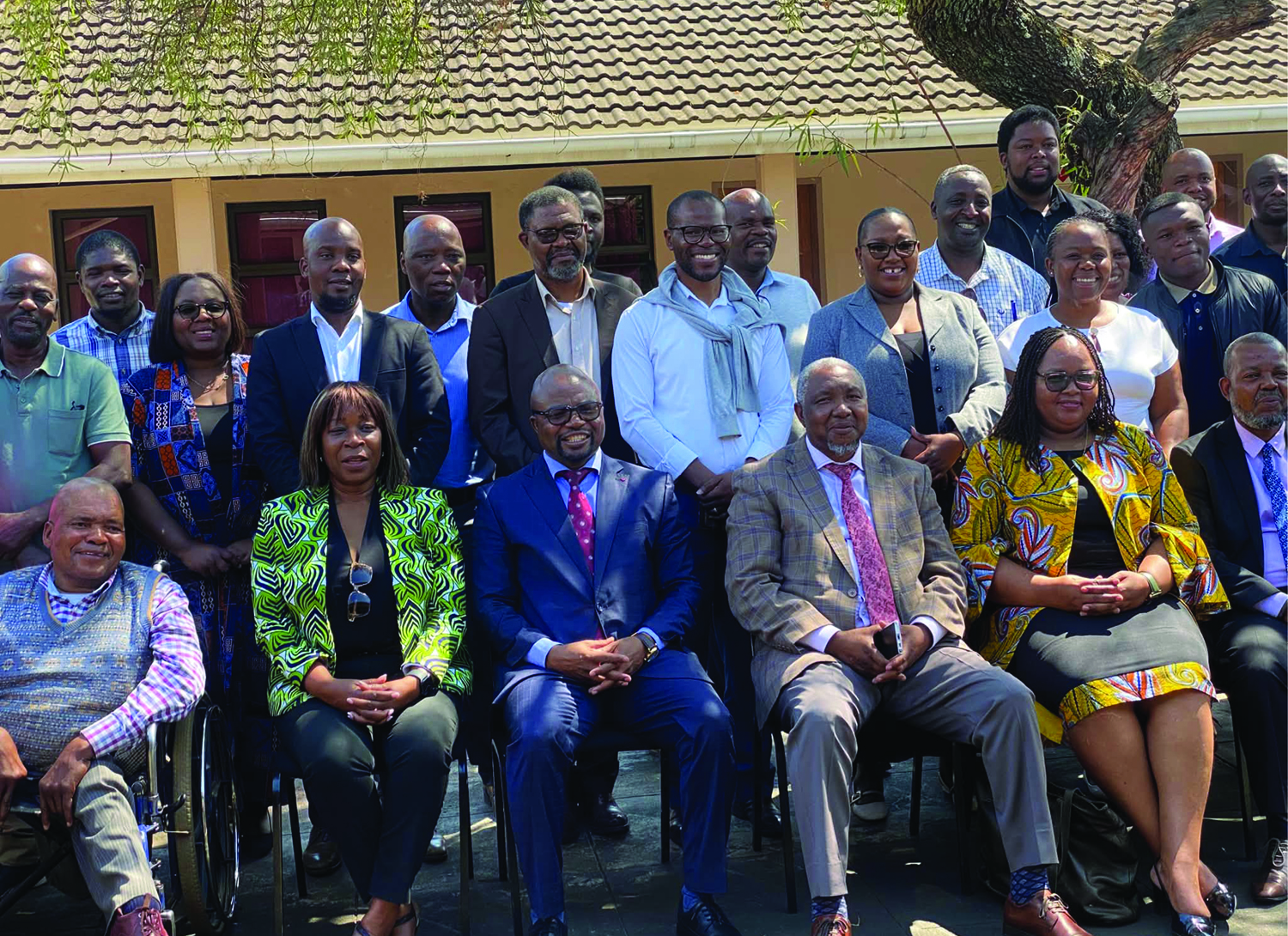
This opportunity formed the backdrop to a leather sector joint procurement framework validation workshop held at ECODEC in Ezulwini yesterday, where government, industry representatives and development partners considered ways of addressing persistent constraints affecting local leather enterprises.
Speaking on behalf of Principal Secretary (PS) in the Ministry of Commerce, Industry and Trade Melusi Masuku, Under Secretary Phesheya Dube said the initiative could help businesses overcome one of the sector’s most immediate challenges: access to affordable and reliable raw materials.
The Joint Procurement Framework is designed to consolidate the requirements of leather artisans and micro, small and medium-sized enterprises (MSMEs), enabling them to purchase inputs collectively and potentially secure better prices and terms.
“Collective procurement can create economies of scale, improve bargaining power, reduce transaction and transport costs, and provide more reliable access to quality inputs,” Masuku said.
The intervention comes against a significant gap in Eswatini’s leather value chain. The country has the capacity to produce between 220 000 and 250 000 hides and skins annually, but much of this production has traditionally been exported in raw or wet-salted form, limiting the value retained domestically.
The Swaziland Leather Value Chain Strategy 2016–2025 estimated that the value of the country’s leather output could rise from about E78.7 million at the raw stage to approximately E943.8 million at the finished-products stage.
For government, this gap represents both a challenge and an industrial opportunity. Moving more leather through tanning, manufacturing and finished-product stages could support enterprise development, employment creation and import substitution while allowing local businesses to capture a larger share of the value generated by the sector.
The absence of a commercial tannery, however, remains a major structural constraint. Local footwear and leather-goods producers also continue to depend heavily on imported leather and other production inputs, adding to costs and limiting competitiveness.
The PS said the procurement framework should therefore be viewed as part of a broader effort to develop the industry rather than as a standalone solution.
“The ministry recognises that procurement alone will not transform the sector,” he said, pointing to the continued need for investment in tanning capacity, skills, machinery, product design, standards, finance and market access.
The approach is consistent with the country’s previous leather-sector strategy, which identified joint bulk procurement as a short-term measure for addressing shortages and high input costs, alongside longer term efforts to develop capacity for semi-processed and finished leather.
The workshop also highlighted the importance of partnerships in advancing the sector. The United Nations Economic Commission for Africa (UNECA) has supported development of the procurement framework, while the Africa Leather and Leather Products Institute (ALLPI) has provided technical expertise on value addition, skills development, product development, standards and value chain strengthening. Masuku urged stakeholders to ensure that the framework is “transparent, commercially viable and responsive” to the needs of leather enterprises.
| Value Chain Stage | Estimated Economic Value | Key Industry Characteristics |
|---|---|---|
| Raw / Wet-Salted Stage | E78.7 Million | 220k–250k hides exported annually; low local value capture |
| Finished Products Stage | E943.8 Million | Local tanning, footwear, goods manufacturing, import substitution |
| Potential Value Addition Gap | +E865.1 Million | Unrealized revenue targeted via joint procurement and tannery investment |