


THE government intends to exceed 1 000 megawatts of domestic electricity generation by 2030 as the country seeks to strengthen energy security and reduce its reliance on imports.
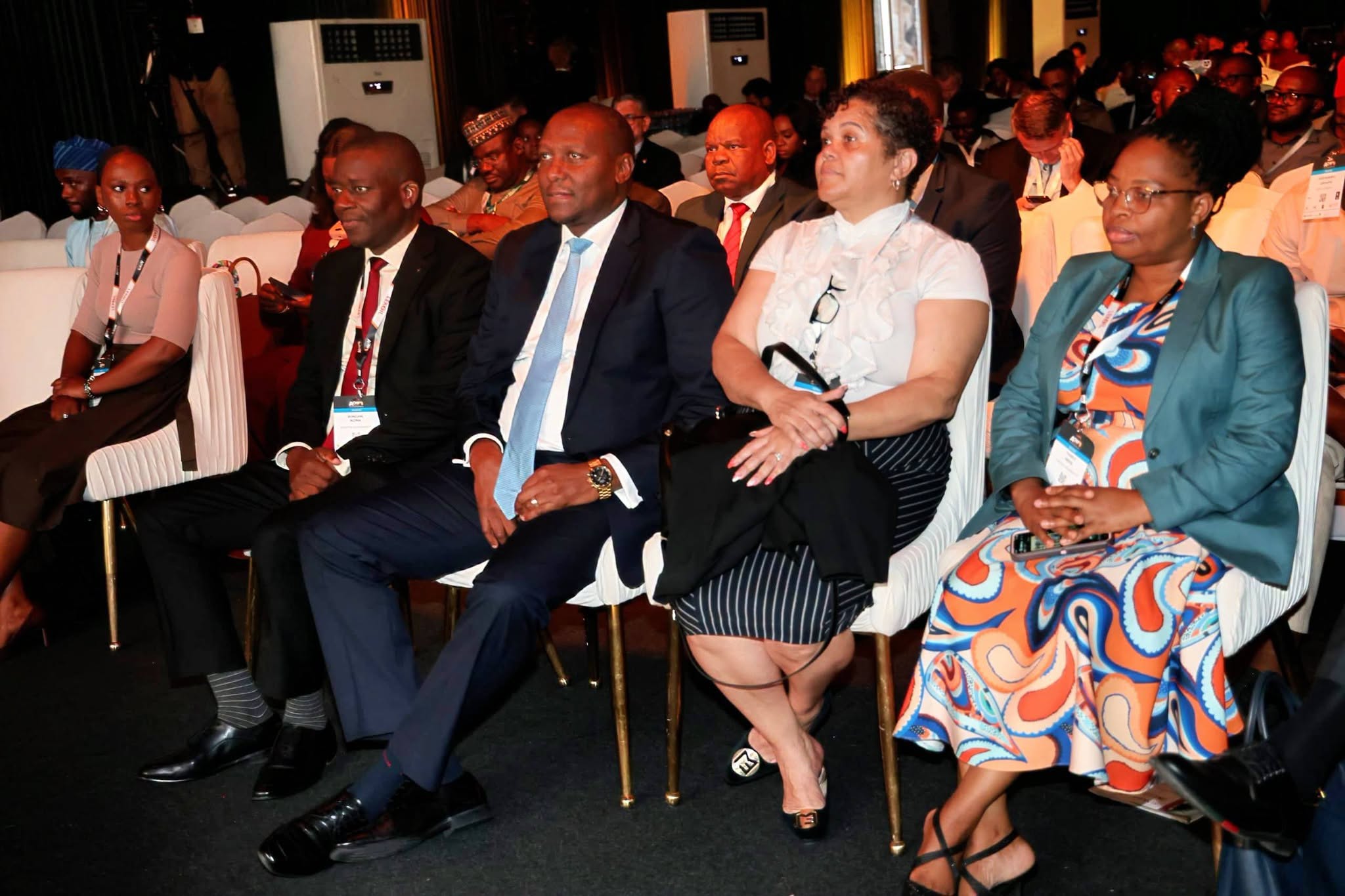
Prime Minister (PM) Russell Mmiso Dlamini made the announcement while addressing the AOW: Energy Summit in Accra, Ghana, where he spoke on ‘The Era of Indigenous Operators: Technology, Capital and the Future of African Energy Leadership’.
The PM said the country currently generates about 30% of the electricity it consumes, with the balance being imported. He said the country’s energy strategy was guided by the principle of local ownership and energy security had been placed among the country’s strategic national priorities.
“Energy security today is economic and national security. Eswatini plans to exceed 1 000MW of domestic generation by 2030 through a combination of hydropower, biomass cogeneration, clean coal technologies and utility-scale solar with storage,” he said.
The PM said the country had also opened its electricity sector to Independent Power Producers (IPPs). He said these producers were expected to take part in the sector not only as contractors, but as developers, investors and owners.
Dlamini said access to electricity currently stood at approximately 88%, while the country was targeting universal access by 2030. Dlamini said the country was also investing in a Strategic Oil Reserve Facility as part of its efforts to strengthen its energy security. He further said the country intended to use the Southern African Power Pool to move from being a consumer of electricity to a contributor.
He described this as interdependence from a position of strength.
The PM said energy security was important for Africa’s industrialisation, arguing that the continent could not industrialise without abundant, reliable and competitively priced electricity.
He said Africa needed a diversified energy mix that included solar, hydro, wind, geothermal, biomass and storage, alongside reliable base-load capacity.
Dlamini said energy policy should serve industrial policy, particularly as African countries sought to process their own resources and increase manufacturing.
“We can no longer export minerals and import machinery, export commodities and import processed goods,” he said.
He said African countries needed to beneficiate, refine and manufacture rather than continue exporting resources and importing processed goods.
The PM said Africa’s energy future should also take into account oil, gas and coal, which he said remained strategically important despite the environmental cost of fossil fuels and the need for a transition.
He said these resources continued to support energy security, global transport, industry, power generation and revenue. Dlamini said African countries still held significant hydrocarbon and coal resources under exploration.
He said where commercially viable and responsibly managed, African states should retain the sovereign space to develop these resources for the benefit of their people while pursuing a just, orderly and realistic transition towards cleaner energy systems.
He said the choice should not be presented as one between fossil fuels and renewable energy. Instead, he said, existing resources could be used to finance future energy systems.
The PM said fossil-fuel revenue should be directed towards renewable generation, industrial infrastructure and African enterprise.
He said such development should be responsible, with reduced flaring and emissions, while building indigenous capability across the full energy value chain. Dlamini said fossil-fuel revenue should become capital for transformation rather than being used purely for consumption.
The prime minister also linked energy security to climate change, saying Africa had contributed the least to the accumulation of greenhouse gases but remained highly exposed to their consequences.
He said finance and technology promised by industrialised nations to help address climate change should be honoured. However, he said Africa should not build its survival on that promise.
He said extreme weather events such as heat, drought, floods and storms required the same assets — energy and technology — yet the communities most vulnerable to climate change often had the least access to both.
Dlamini said Africa’s transition should be environmentally responsible, economically just and technologically realistic. He said climate responsibility should not be allowed to become a prohibition on development.
Turning to the country’s energy plans, the PM said the country was welcoming credible partnerships in generation, transmission, storage, petroleum infrastructure and emerging technology.
He said such investment should leave enduring value in the country through jobs, skills, research capacity and indigenous companies capable of standing as equal commercial partners.
The PM said the development of the energy sector should therefore be linked to building local capacity and ownership.
He said Eswatini’s plans were part of a wider effort to strengthen energy security and ensure that the country could increase its domestic generation capacity. He also invited delegates to attend the SADC Sustainable Energy Week, which Eswatini will host from March 15 to 19, 2027.