GAMBLING has emerged as a growing mental health concern at the National Psychiatric Referral Centre, with psychotherapy staff reporting an increase in patients whose gambling problems have contributed to severe emotional distress and, in some cases, suicidal thoughts.
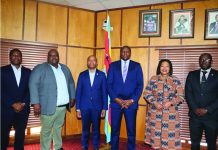
This transpired when the Commission on Human Rights and Public Administration/Integrity and the Civil Service Commission launched a joint assessment of the National Psychiatric Centre in Manzini to establish the extent of reported challenges at the facility and determine what must be done to restore the institution to acceptable standards.
The two commissions conducted an on-site assessment yesterday following widespread concerns over alleged patient neglect, shortages of medication, overcrowding, poor sanitation, understaffing, food insecurity and safety concerns, including reports of patients harming one another.
Psychotherapist Temavulane Motsa of the psychotherapy department said gambling was currently one of the most prominent problems among walk-in patients seeking psychological support, alongside depression, anxiety, marital difficulties and financial problems.
“A lot of patients who are gambling tend to be suicidal because they take all their money,” Motsa said.
She said the department dealt with patients experiencing a range of mental health disorders, including depression and anxiety, with between 80 and 90% of patients who initially presented at the outpatient department (OPD) eventually requiring psychotherapy services.
Motsa said the growing demand had placed significant pressure on the department, which she believed was understaffed.
“We also receive walk-ins who come from all walks of life such as civil servants, people with marital problems, financial problems, gambling. And gambling at the moment is most high,” she said.
The pressure was reflected in the number of patients seen by individual psychotherapists, she said, with the department’s clinical practice requiring practitioners to see six patients a day.
“Daily, I see over 20, just like yesterday. I came out and my brain was overwhelmed,” Motsa said.
Her submissions were made during a joint on-site assessment of the National Psychiatric Referral Centre by the Commission on Human Rights and Public Administration/Integrity and the Civil Service Commission.
Civil Service Commission Chairperson Simanga Mamba questioned whether the facility’s data on emerging mental health problems was being used to inform preventative interventions.
He asked whether the department had a mechanism for raising public awareness when particular problems, such as gambling, appeared to be increasing.
The facility’s administrator Neliswa Mabaso said the ministry of health had a health promotion programme and that statistics on gambling-related cases were collected and reported to the ministry.
The administrator said gambling had only become a significant concern at the facility from last year.
“Gambling started shooting up last year. It has never been a challenge until last year,” Mabaso said.
The facility had also engaged relevant authorities on preventative measures and awareness campaigns, the administrator said, although responsibility for implementing prevention programmes ultimately rested with the relevant health promotion structures.
The discussion also touched on the role of spiritual support in the treatment of patients.
Reverend Nhlanhla Hlatshwako, a member of the Civil Service Commission, asked whether the facility incorporated prayer and Bible reading as part of therapy for patients.
The administrator said spiritual support was available within the institution, but was currently provided through the staff department rather than as part of the clinical treatment offered to patients.