


GOVERNMENT has received E800 million from the OPEC Fund for International Development.
This capital injection, which was received this past Friday, is set to provide immediate relief to the business sector that has been grappling with mounting debt, which include owed money for supplies rendered to government by various companies.
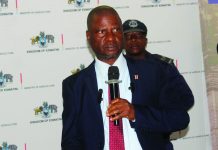
Minister of Finance Neal Rijkenberg confirmed the arrival of the funds yesterday, bringing a wave of hope to hundreds of government suppliers, who have been waiting for their invoices to be settled.
Prior to this, the minister had made it clear that the priority for this money was to clear outstanding arrears, ensuring that the wheels of commerce can keep turning.
The OPEC Fund is a multilateral development finance institution established by member countries with a mission to drive development and empower people in low- and middle-income nations. While the primary goals of this funding are to support infrastructure development, economic diversification, climate resilience, and social services, government is focusing on the immediate need to stabilise its domestic financial obligations.
Specific projects linked to this funding include financing agricultural improvements, expanding rural electricity, and upgrading road infrastructure. Minister Rijkenberg has been consistent in his messaging regarding these funds.
Since December 2025, he has assured the private sector that all outstanding payments would be settled in full once the OPEC capital arrived. This promise followed a period of intense pressure in November 2025 when nearly 50 directors of government suppliers and service providers staged a public picket outside the Treasury Department.
The suppliers demanded payment for work completed more than eight months prior, highlighting the severe strain that delayed payments place on the survival of local enterprises.
“But as far as I know, the OPEC funds amounting to E800 million arrived on Friday and suppliers that have not been paid will be paid early this week,” Rijkenberg stated.
This financial relief comes hot on the heels of the E2.6 billion received from the Southern African Customs Union (SACU) in January.
ALSO READ | BE propels national agenda forward with key appointment
SACU revenue, which is generated from duties on goods imported into the regional trade area, including Botswana, Eswatini, Lesotho, Namibia and South Africa, remains a cornerstone of the national budget.
The combination of the SACU payout and the new OPEC funds, according to the minister, was expected to ease the pressure on the national fiscus and allow government to meet its promises to the business community.
In a latest finance in focus briefing where he provided an update on government cash flow, revenue performance and the ongoing national budget process, Rijkenberg had disclosed that government still owed suppliers about E100 million.
Rijkenberg stated that the SACU revenue for the current quarter had been received and was being allocated to meet outstanding obligations, including payments to suppliers.
He said government had made significant progress in settling arrears in December, following improved tax collections and funding received from the African Development Bank (AfDB).
As a result, most suppliers were now up to date, with only a balance of about E100 million remaining.
Additional Context
The release of the E800 million is expected to ease liquidity pressures in the private sector, particularly among small and medium enterprises that depend on timely government payments. It also signals improved short-term fiscal stability following recent inflows from SACU and development finance institutions.