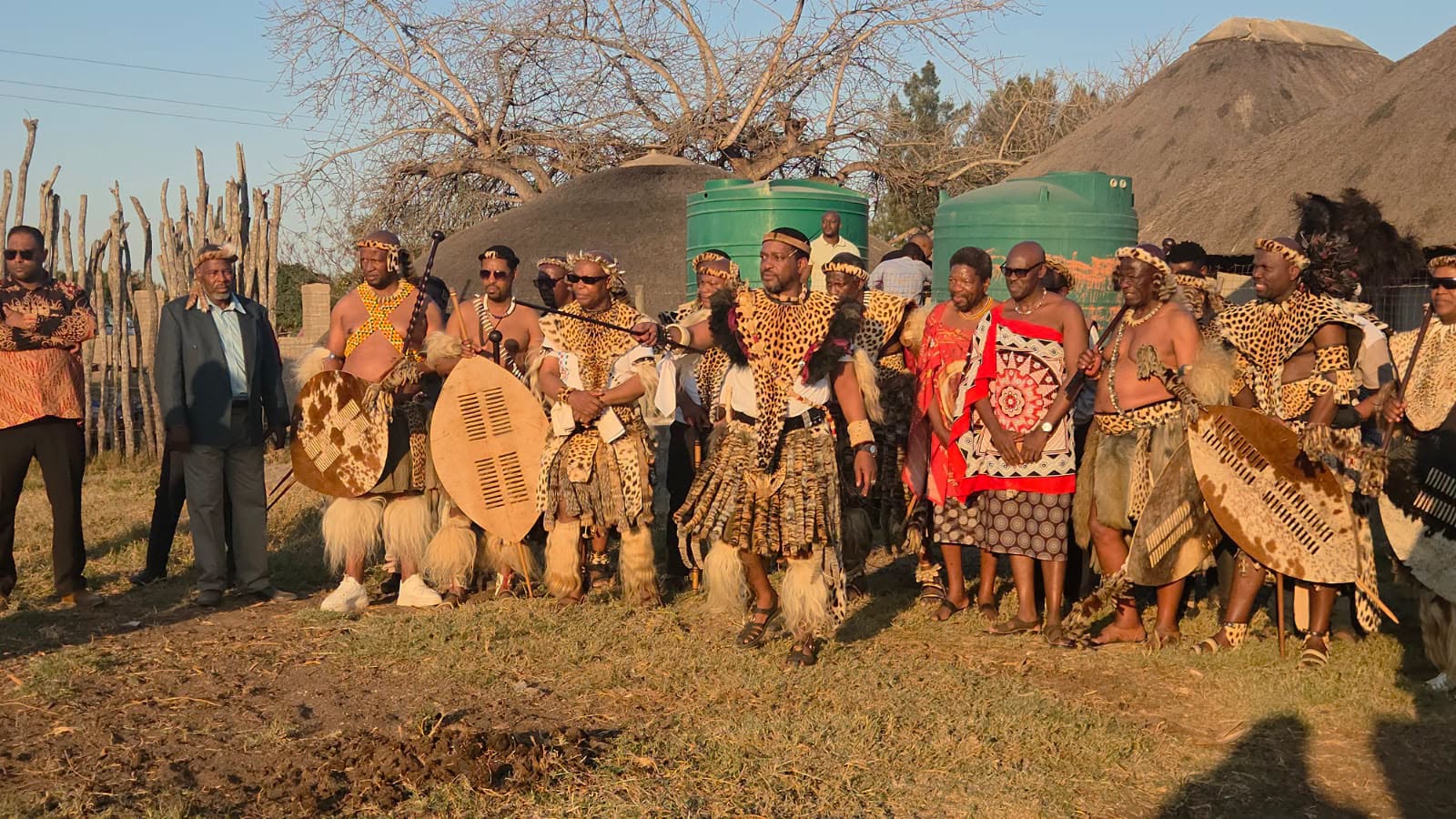
King Misuzulu kaZwelithini has taken a major step towards formalising his union with Ndlunkulu Sihle Mdluli, referred to as uNdlunkulu KaMawewe. He paid 70 cows during the historic traditional ceremony held at the Mawewe Traditional Council in Mpumalanga, South Africa yesterday.
The historical celebratory royal wedding gathered Emaswati and the Zulu nations, drawing traditional leaders, dignitaries, family members and thousands of well-wishers who gathered to witness the historic occasion. Songs of celebration echoed through the royal homestead as emabutho performed energetic dances while maidens in colourful traditional attire sang praises in honour of the king and his bride.
Announcing the purpose of the royal delegation’s visit, Zulu nation Prime Minister Inkosi Phathisizwe Chiliza said they had been sent by the king to present the 70 cows, which included 10 for Ndlunkulu’s mother, Inkosi Khulile Mkhatshwa, for ‘insulamnyembeti’. The Zulu royal delegation included Prince Hlangabeza, Prince Vumile and Chief Makhosikhosi Khumalo, amongst others.
Other dignitaries who attended included South African traditional leaders and government officials. Jubilant celebrations erupted across the Nkomazi District as King Misuzulu kaZwelithini officially married his fourth wife in a grand traditional ceremony that showcased the richness of Zulu and Emaswati cultures and royal heritage.
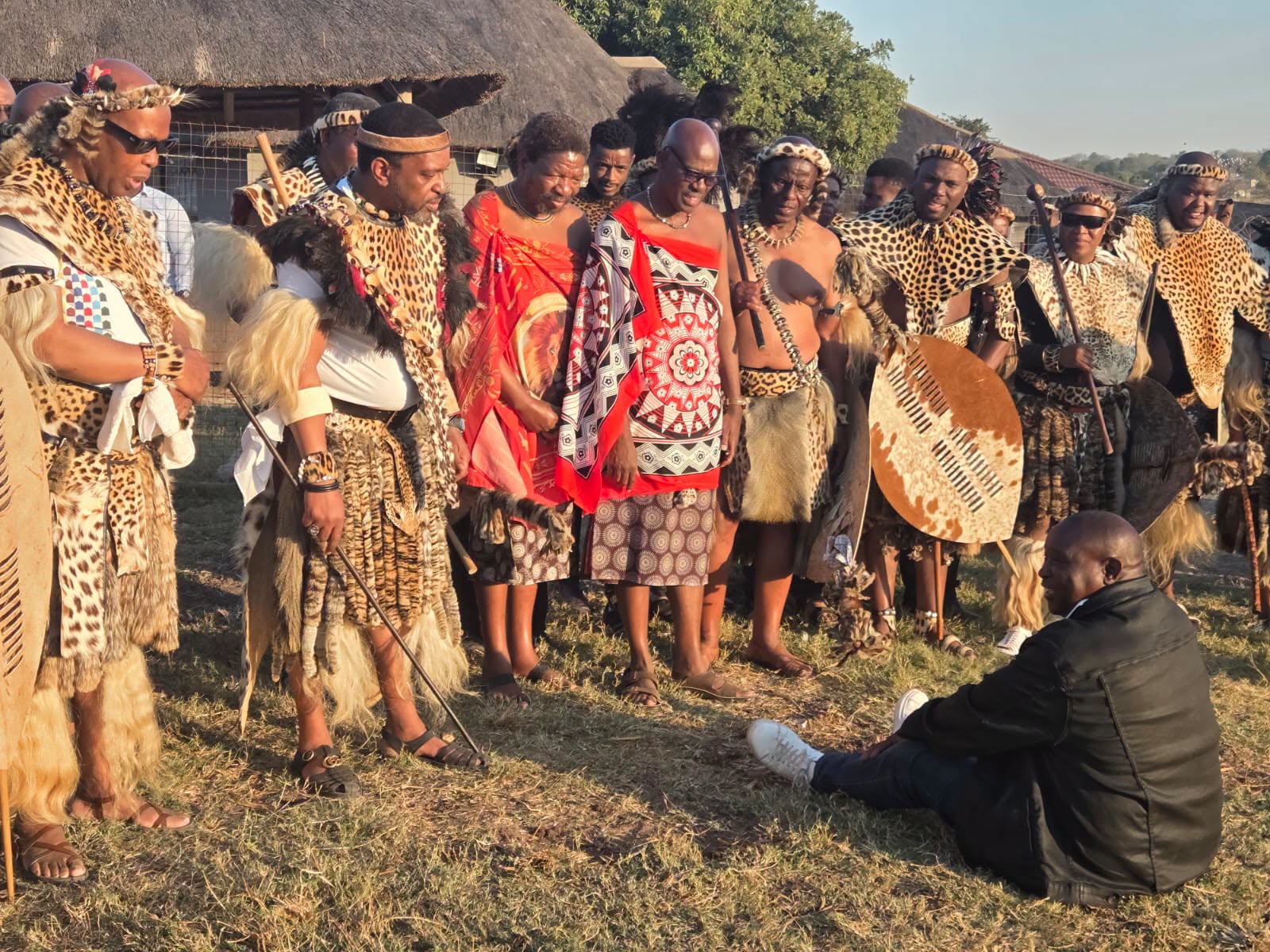
In keeping with long-standing custom, the 70 cows were presented as lobola, symbolising respect, unity as well as the joining of two families. The atmosphere was filled with excitement, pride and joy as people applauded the preservation of customs and traditions.
KaMawewe Traditional Council praise singer Dida Hlophe described the marriage as a significant moment for the royal family, highlighting the importance of cultural values, respect and the continuation of royal lineage. Residents who attended the festivities expressed happiness at being part of the celebration.
Many praised the Zulu king’s commitment to maintaining traditional practices, saying the ceremony reflected the strength and beauty of Zulu heritage. Children, young people and visitors joined in the festivities, enjoying traditional music, dance and cultural performances throughout the day.
Hlophe said the presentation of 70 cows was regarded as a powerful symbol of honour and appreciation between the two families, reinforcing the cultural significance of marriage within the Zulu nation. The ceremony concluded with feasting, dancing and blessings for the newly married couple as celebrations continued well into the evening.
“The royal wedding stands as another chapter in the ongoing preservation of one of South Africa’s most celebrated cultural traditions, leaving many attendees with memories of a day marked by unity, pride and more,” Hlophe said.
uNdlunkulu joins Lutsango, showcases traditional dancing skill
Celebrations of the country’s rich cultural heritage took centre stage as uNdlunkulu KaMawewe showcased and displayed her traditional dancing skills. On different occasions during the lobola ceremony festivities, she participated with the Lutsango regiment.
Dressed in elegant traditional attire, uNdlunkulu joined members of the regiment in vibrant performances that highlighted the country’s longstanding customs and the importance of preserving the nation’s cultural identity. The rhythmic songs, seemingly coordinated movements and spirited dancing captivated those in attendance, who responded with enthusiastic applause and ululations.
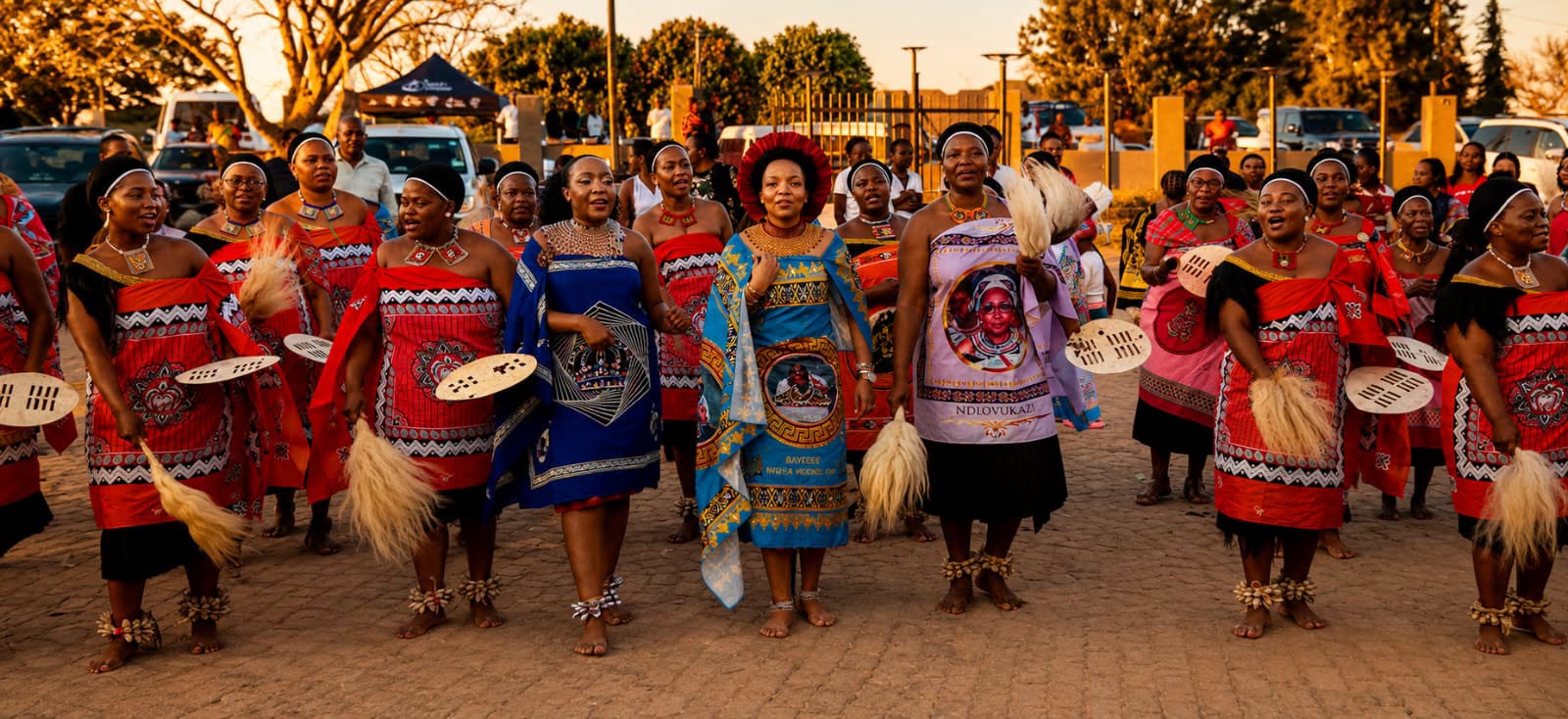
The ceremony brought together community members, cultural leaders and invited guests to celebrate the values of unity, respect and service that have long been associated with Lutsango. Participants described the occasion as a meaningful expression of pride in the country’s traditions and a reminder of the role cultural institutions continue to play in national life.
Throughout the festivities, uNdlunkulu danced alongside fellow members with confidence and enthusiasm, demonstrating a commitment to embracing and promoting the country’s cultural heritage. Her participation drew admiration from spectators, many of whom praised the display of traditional dance and the significance of the occasion.
Cultural experts attending the event noted that traditional ceremonies such as these provide opportunities for younger generations to learn about Swati customs while strengthening community bonds.
Music, dance, and ceremonial rituals remained central to the day’s programme, reflecting the enduring importance of cultural preservation. The event concluded with songs of celebration and messages encouraging continued support for local cultural traditions, leaving attendees with a renewed appreciation for the nation’s heritage and the role of traditional regiments.
“It was lovely to see the Zulu king up close and uNdlunkulu joining Lutsango regiment alongside her grandmother Gogo LaMbokazi and her sister, Princess Somuhle, to different songs including the popular Nguni traditional song ‘Wayeyeza’ in a colourful display of culture and unity.
‘‘We have always seen her dancing during Ummemo, but today was seemingly different. She also brought the Zulu nation king here through this ceremony,” said Fish Mkhatshwa.
King Misuzulu dances with Ndlunkulu KaMawewe
King Misuzulu kaZwelithini delighted guests with energetic traditional dancing alongside uNdlunkulu KaMawewe during a lobola ceremony that celebrated Zulu culture, unity and royal traditions.
The event attracted members of the royal household, elders and invited guests who witnessed the Zulu king and uNdlunkulu KaMawewe participate in traditional dances that reflected pride in their heritage. The lively performances were met with cheers and applause as attendees celebrated the occasion.
In a gesture of appreciation and respect, King Misuzulu, through Gugu and Boniswa Zulu, presented gifts including blankets to the members of the KaMawewe family including her mother Inkosi Dlamadoda Khulile Mkhatshwa, grandmother Gogo LaMbokazi and siblings.
The generous gesture was warmly received and was viewed by many attendees as a sign of goodwill and the strengthening of ties between the royal family and uNdlunkulu KaMawewe’s relatives.
Traditional music, singing and dancing formed the centrepiece of the celebration, with cultural performances continuing throughout the day. Elders praised the importance of preserving customs and passing them on to younger generations, describing the event as one that showcased the richness of Zulu traditions. Guests also enjoyed a festive atmosphere as family members and community supporters gathered to celebrate the occasion.
The king’s participation in the dancing added excitement to the event, with many recording and sharing moments from the celebration. The gathering reinforced the significance of family, respect and cultural heritage within the Zulu nation, with King Misuzulu’s participation underscoring the role of the monarchy in promoting and preserving traditional customs.