


Prime Minister Russell Mmiso Dlamini has warned that efforts to end child marriage will remain incomplete unless governments confront the poverty and economic pressures that make children vulnerable.
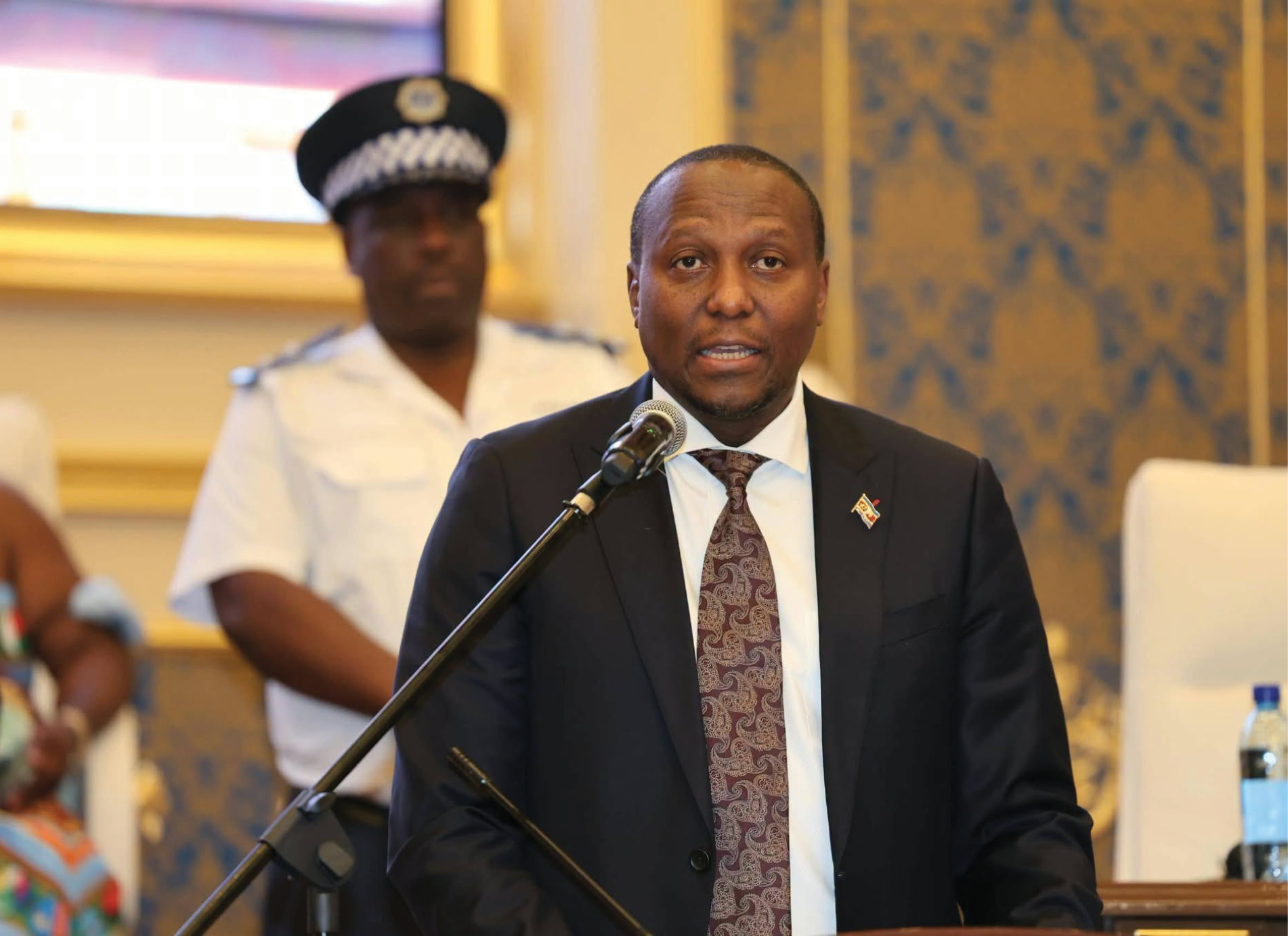
Addressing the 59th SADC Parliamentary Forum Plenary Assembly in Ezulwini, the prime minister said prohibiting child marriage through legislation was necessary but could not, on its own, address the circumstances that expose children to the practice.
He said poverty was a powerful driver and called for responses that went beyond legal restrictions to include social protection, education, livelihoods and support for families. The prime minister highlighted the financial challenges that can prevent girls from remaining in school, pointing out that access to education involves more than the availability of a classroom.
Families may struggle with the costs associated with schooling, including transport, while girls also need safe routes to school and protection from violence. He said keeping girls in education therefore required practical support for households and measures that made it possible for children to continue attending school.
His argument places the economic circumstances of families alongside the legal and social dimensions of child marriage. Where households are struggling to meet basic needs, interventions that focus only on prohibiting the practice may fail to address the pressures that place children at risk.
The prime minister’s proposed response includes strengthening social protection and supporting family livelihoods, while ensuring that girls can access and remain in education.
His remarks suggest that governments need to consider whether their budgets and social programmes are reaching vulnerable households and addressing the conditions that contribute to child marriage. The challenge, therefore, is not only to prevent marriages involving children but also to improve the circumstances that allow girls to remain in school and pursue opportunities beyond childhood.
SADC leaders challenged to turn child marriage laws into action
Ten years after adopting a regional model law to eradicate child marriage, SADC leaders have been challenged to move beyond legislative commitments and ensure that children are effectively protected.
The challenge was raised during the official opening of the 59th SADC Parliamentary Forum (SADC PF) Plenary Assembly at Ezulwini Palazzo on Saturday, 21 November 2026, where leaders called for stronger political commitment, effective implementation and accountability in addressing child marriages across the region.
The assembly is themed, “Harnessing Political Leadership, Progressive Culture and Data to Accelerate the Eradication of Child Marriage in the SADC Region.”
The gathering marks a decade since the SADC PF adopted the Model Law on Eradicating Child Marriage and Protecting Children Already in Marriage on June 3, 2016, during its 39th Plenary Assembly, also held in Ezulwini.
While the Model Law provided a common legislative benchmark for member states, the challenge now is ensuring that its principles are translated into national laws, funded interventions and effective protection services.
Prime Minister Russell Dlamini, who officially opened the assembly, said the return to Eswatini after 10 years presented an opportunity for the region to honestly assess whether children were being adequately protected and what barriers continued to prevent progress.
He said child marriages violated the dignity and rights of children, with consequences for their health, education and future prospects. Its effects extended beyond individual children to families and national development.
The PM said poverty remained a powerful driver of child marriage and that efforts to address the practice could not rely on prohibition alone. He said keeping girls in school required more than making education available, as families also needed support with school-related costs, safe transport and protection from violence.
Children who were already married also needed access to healthcare, legal assistance and continued education without stigma.
The PM further called for political leadership to be demonstrated through budgets, functioning institutions and parliamentary oversight. He said parliamentarians had a responsibility to question the Executive on whether commitments were being funded and implemented.
SADC PF President Randrianasoloniaiko Siteny Thierry also urged Parliaments to use their powers to ensure governments acted on commitments to protect children.
He said parliamentarians should scrutinise government action and ensure that efforts to address child marriage went beyond declarations.
The assembly is also expected to use data to strengthen monitoring and accountability through the regional child marriage monitoring dashboard.
The dashboard is intended to consolidate available evidence on the domestication and implementation of the Model Law, helping parliamentarians identify gaps and make more informed decisions on legislation, budgets and oversight.
The dashboard’s indicators, data sources, reporting periods and limitations, it was said, should be made clear so that it is used responsibly and does not create an exaggerated picture of progress. The regional assessment comes against a backdrop of uneven progress among member states.
The SADC PF identified inconsistencies between statutory, customary and religious laws, limited enforcement capacity, inadequate financing, fragmented services and persistent social pressures as challenges that continue to impede implementation.
The assembly is expected to consider practical recommendations to guide the next phase of regional action. These are intended to inform the Plenary Assembly’s deliberations and established resolution processes.
The central challenge for the region is therefore to demonstrate that the Model Law has moved beyond being a reference document and is producing measurable improvements in the protection of children.