


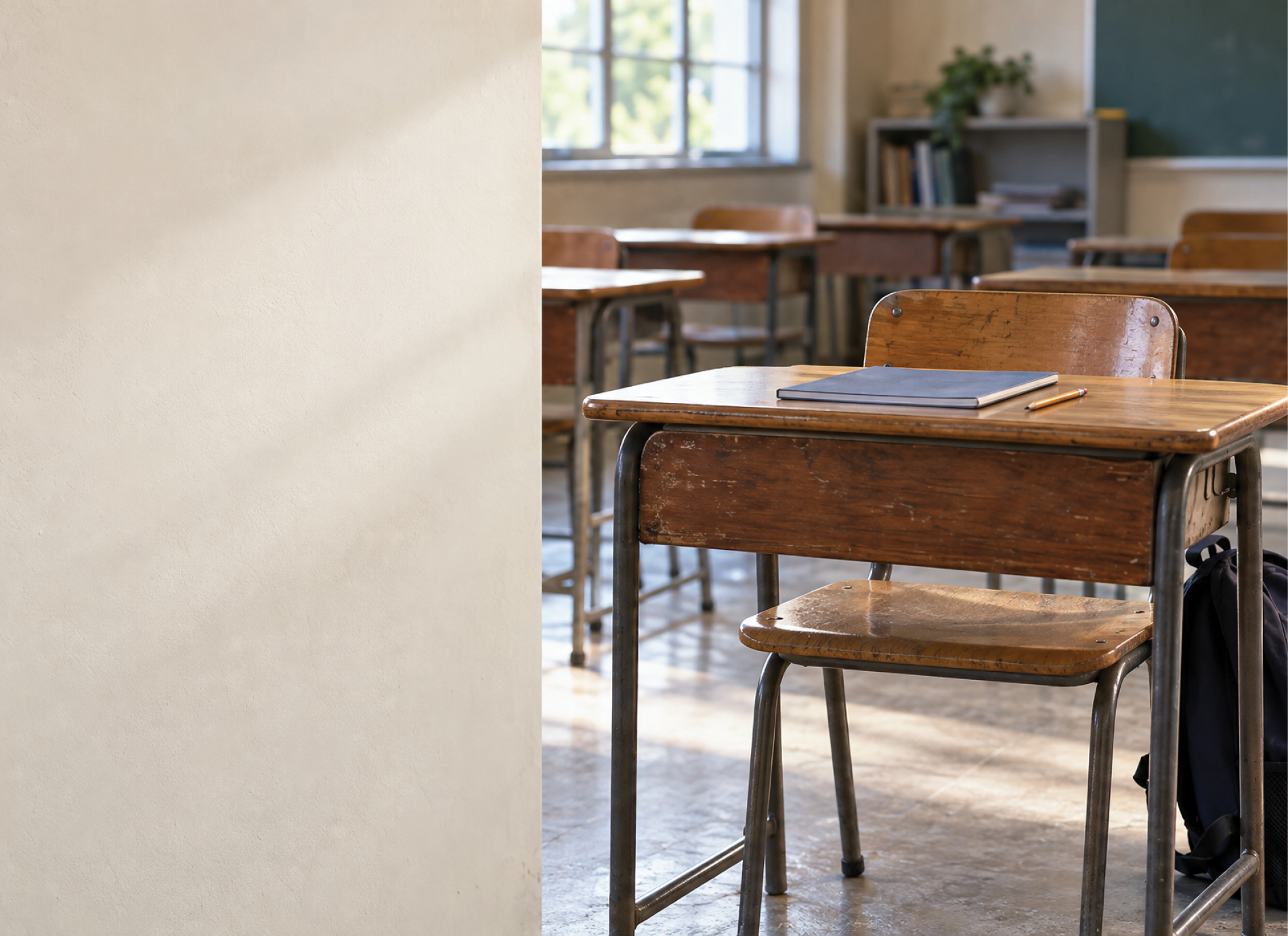
Several schools in Northern Hhohho are sending learners home over unpaid school fees, with headteachers saying it is almost impossible to conduct end-of-year examinations without funds.
The schools have reportedly run out of basic supplies, including stationery, while some have no electricity, water and internet, making it difficult to conduct practical subjects such as computer studies.
The ministry of education and training has confirmed receiving reports of learners being sent home.
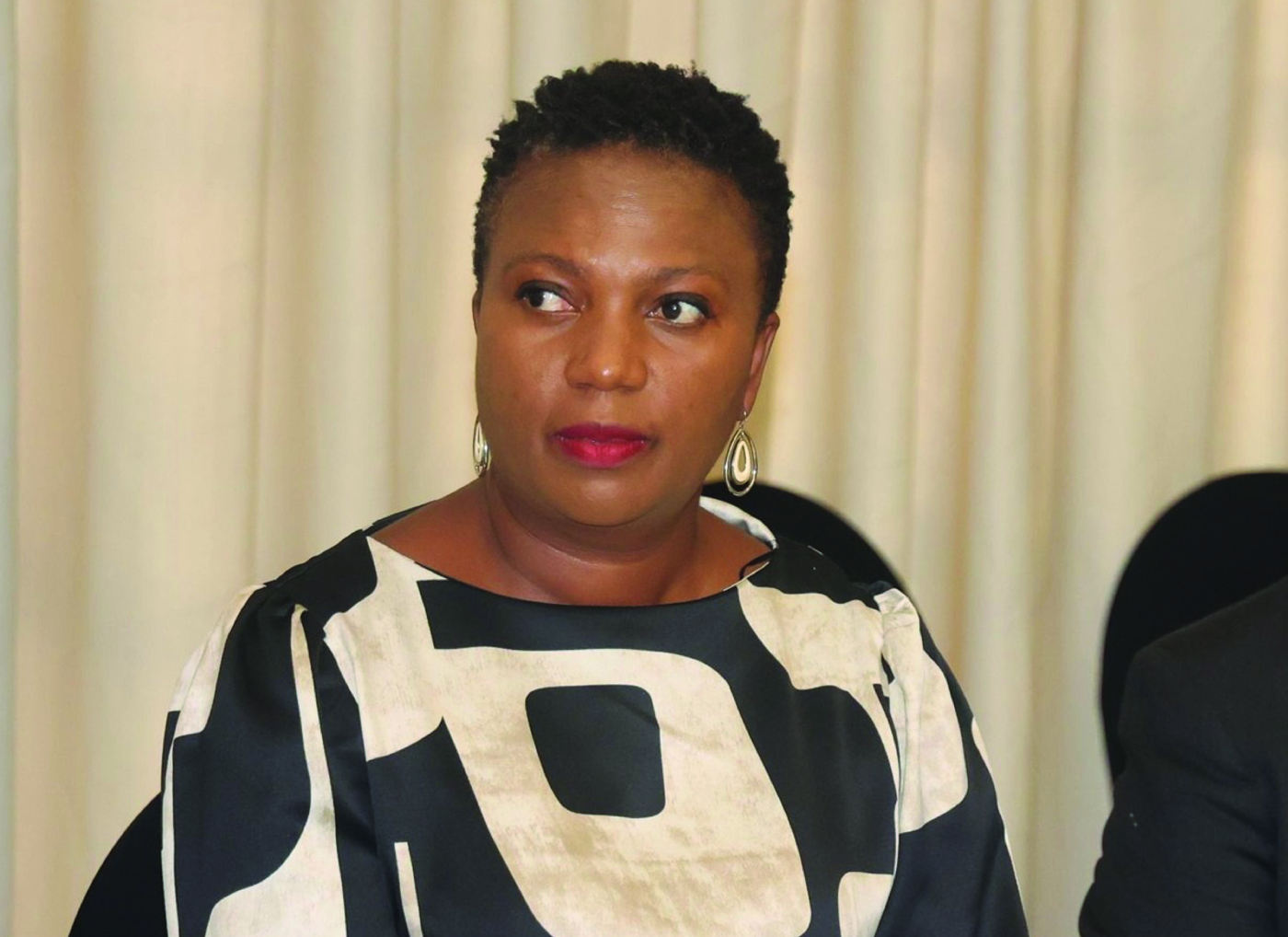
Principal Secretary Naniki Mnisi said the crisis comes at a time when high schools have started internal examinations across all grades and require funds to buy examination materials and pay support staff.
“It is almost impossible to write examinations for these schools as they are without electricity, water in others and internet, among other necessities. Teachers cannot conduct computer studies as there is no electricity,” she said.
Mnisi said while the situation was dire, learners writing external examinations were barred, adding that the ministry and headteachers have arranged for guardians of affected learners to sign affidavits committing to pay, to ensure no learner misses the examination.
“This arrangement was made because there would be no other chance for the learners should they miss it,” she said.
She appealed to parents of learners in Grades 8, 9 and 11 in particular to pay up, noting that some parents had not paid anything since the beginning of the year.
“Most schools have sent learners home to request funds from guardians. We urge parents to find money to avoid employees enduring abuse or schools being forced to conduct examinations in the dark,” Mnisi said.
She clarified that school heads were not expelling learners but asking them to go home to request fees from their parents. She said the ministry would engage headteachers to find a way forward for internal examinations already in progress.
“We have been called by a number of schools with concerns regarding payment of school fees. This is just to encourage guardians not to leave everything to headteachers as they end up being depressed due to the difficult conditions they work under,” she said.
Swaziland Association of School Administrators (SASA) National Secretary Gcina Thusi said headteachers were caught between policy and practical reality.
Thusi said policy was clear that once admitted, a learner should remain in class regardless of circumstances and that it is the guardian, not the learner, who should be engaged.
According to policy, headteachers are required to draw up a payment plan with parents and, if they fail to honour it, report the matter to the regional education office or the ministry.
He, however, said when agreements were made to allow learners to sit for examinations, some parents do not honour them and walk away freely as there was nothing binding them.
“At the end, it is the schools that suffer yet they operate with funds. Can the ministry work with schools in taking to task parents who fail to honour agreements, as schools belong to government,” Thusi said.
He appealed to the ministry to put in place a mechanism to hold defaulting guardians accountable.
“Headteachers are held between principle and policy while the ministry expects all classes to conduct final examinations to assess learners and determine progression to the next class.
“Schools require money to operate and when parents have not paid, examinations are sabotaged,” he said.