


South African Member of Parliament Mandla Skosana says prisons cannot be turned into hotels as people need to understand that they are there to serve their sentences for crimes committed.
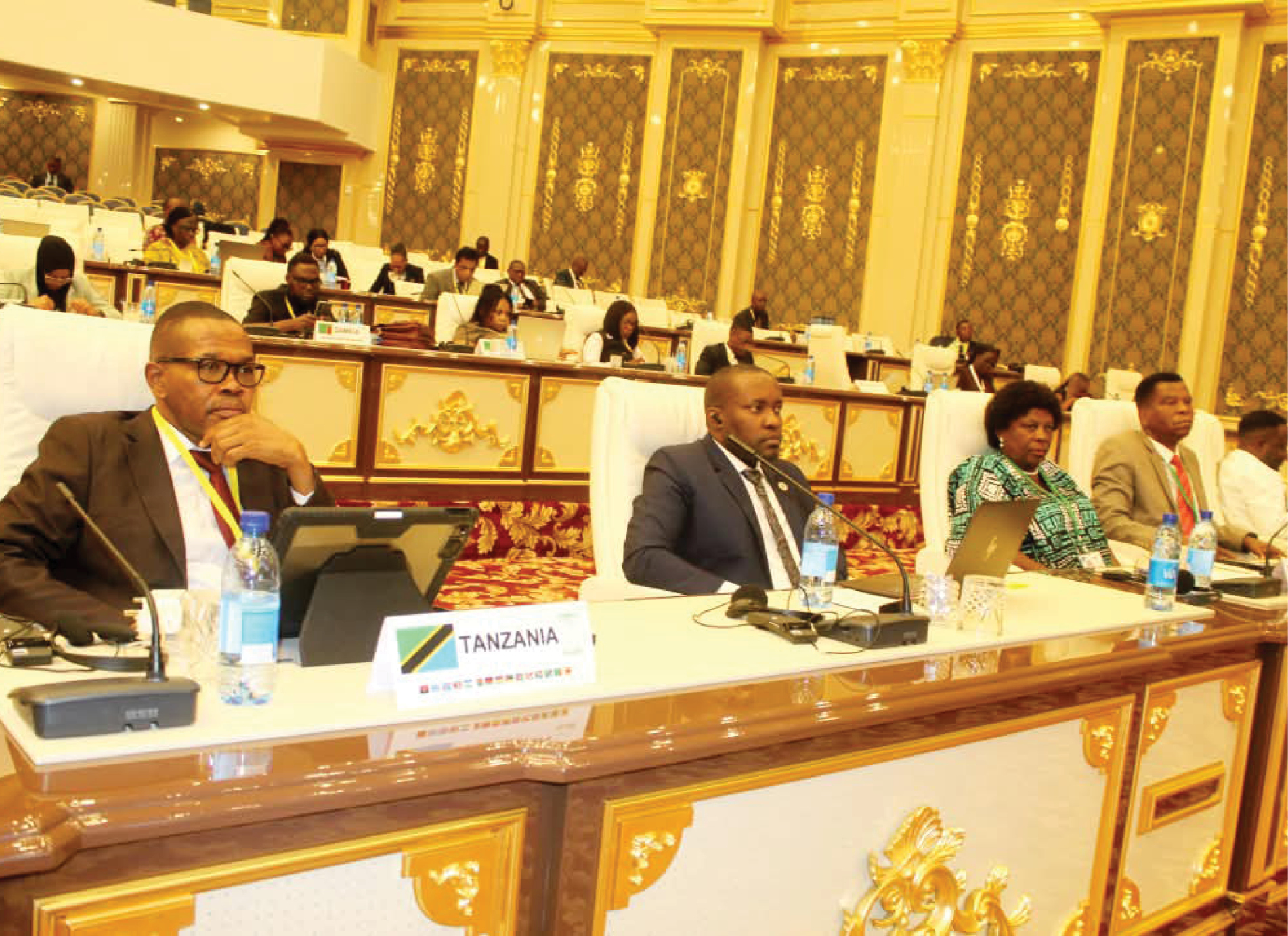
This was during the third day of the ongoing 59th Plenary Assembly of the Southern African Development Community (SADC), when member countries were adopting the SADC Model Law on Correctional Centre Oversight. The motion was moved by South African MP Bonginkosi Madikizela.
Skosana said the number of women who were having babies in prisons was disturbing. He said it might be understandable if they were arrested and convicted while pregnant but said it was a cause for concern if they were conceiving while in prison.
The MP said there should be more emphasis on educational facilities than on increasing prison centres in the region.
Some people say it is better to be in prison than on the outside because one is guaranteed a meal.
“There are prison gangs who are occupying the space for some reasons and some prisoners are even richer than people who are outside,” he said.
Skosana said, as a region, in order to avoid what was happening in other countries like in South America, Venezuela and other countries, they need social cohesion to discourage people from going to prison and expecting five-star treatment, understanding that there are human rights that have to be maintained at all times.
“Prisons cannot be turned into hotels, but people should understand that when they are in prison, they have to serve their sentences,” he said.
When moving for the adoption of the motion, Madikizela had mentioned that correctional centres should provide accountable and rehabilitative environments that support the successful reintegration of persons deprived of liberty into society.
He said rehabilitation and reintegration programmes should be implemented in a manner consistent with the principles of dignity, equality, non-discrimination and “do no harm”, and should be responsive to the diverse needs of persons deprived of liberty.
He said oversight mechanisms play an important role in assessing the availability, accessibility, quality and effectiveness of rehabilitation and reintegration programmes, identifying barriers to participation, and promoting measures that reduce recidivism and facilitate successful reintegration into the community.
Zimbabwe Speaker Jacob Mudenda said first offenders who had committed a crime attracting a sentence of six months or less were being commuted to community service.
He said they have open prisons for males who were at the end of their sentences. They were exposed to skills and capacity building.
“Women prisoners now have an open prison where those with babies complete their sentences so that they can be able to feed their children instead of being in closed prisons,” he said.
He described this as a humanistic way of treating prisoners.
Senator Dr Linda Nxumalo said in Eswatini there was a separate prison for women.
She said in terms of gender inclusion, the commissioner general was a woman and has served the country with distinction.
Children born inside the prisons were being enrolled at school and go through the education process.
“Eswatini has also partnered with the Women’s Caucus, where we have donated dignity packs for women and children at the facility. We have scheduled a visit to them to offer support so that they can appreciate what the laws of the land have to offer,” Nxumalo said.