



SOCCER – AMID the relegation of Manzini Wanderers, one of the oldest and most supported clubs, the PLE has come out to say that it does not wish for such clubs to die a natural death.
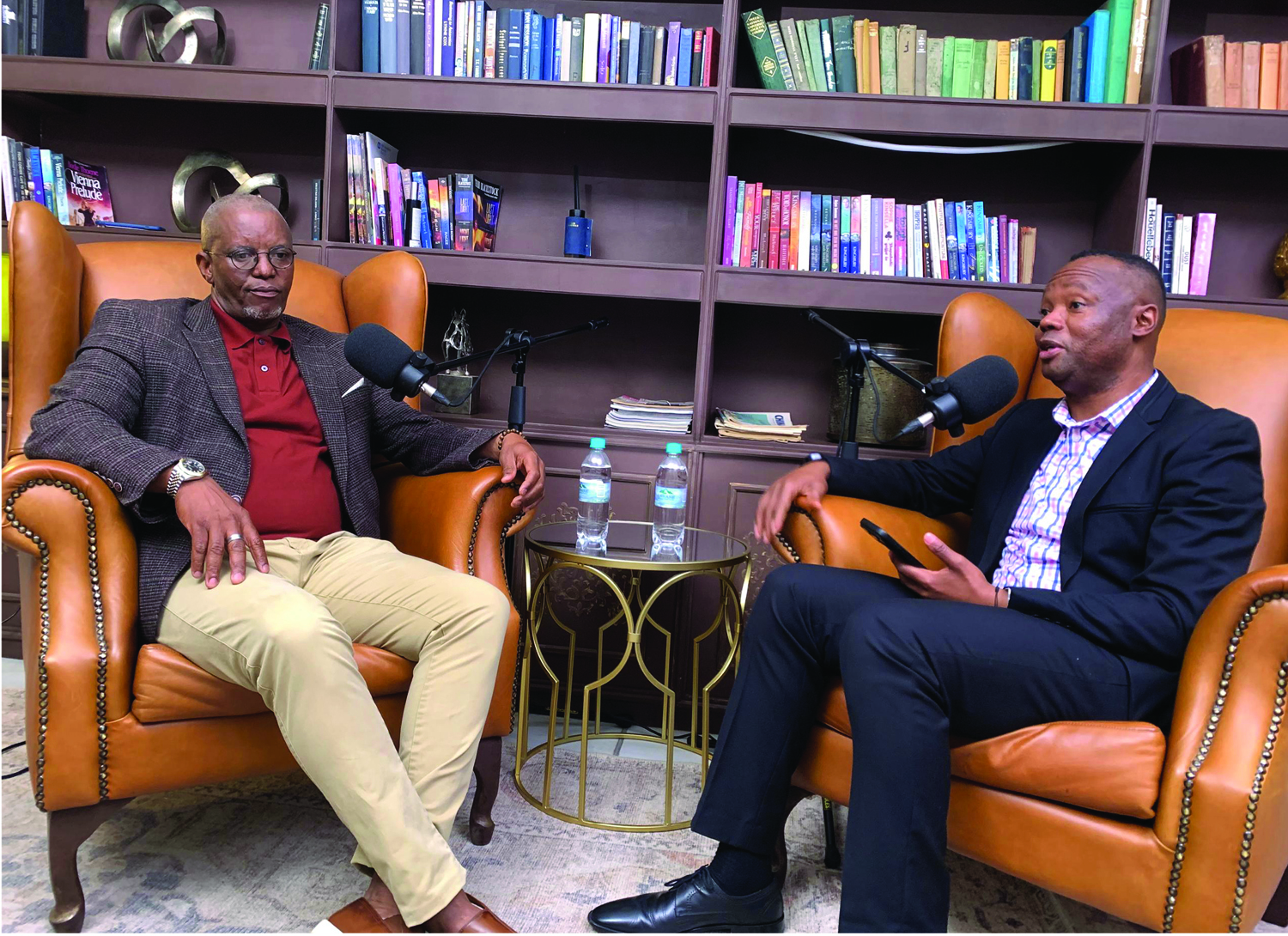
This was revealed by Premier League of Eswatini (PLE) Chairman Polycarp ‘Phoseka’ Dlamini during the Five Questions Podcast with host Mbongeni Mbingo. Dlamini said, growing up in football, they had always known the trio of clubs; Wanderers, Mbabane Swallows and Mbabane Highlanders, as the country’s biggest clubs in terms of fanbase and success.
He was responding to a question on whether Wanderers would be in the Premier League in the new season. The maroon and white giants purchased the Premier League status of promoted Red Rhinos, a deal that has been complicated by FIFA Club Licensing regulations and the FIFA Connect registration system.
“Wanderers remain a member of the Premier League of Eswatini as we have two divisions, the Premier League and the National First Division. We are waiting for guidance from the Eswatini Football Association on the Wanderers matter as we did receive letters around their status purchase. Football is governed by rules, including those of club licensing. Personally, it is not my wish to see any of the big three teams become extinct during my tenure as PLE chairman. Unfortunately, football is governed by rules. I remember during Gamedze’s time, Highlanders faced the same fate of relegation and they went down and came back stronger. This is not to suggest what should happen with Wanderers, but from where we are, the PLE AGM confirmed Wanderers as relegated,” he said.
Dlamini also called for stability and proper structures in these clubs. “Football needs people of integrity and transparency. Governance, finance and internal squabbles cause these instabilities and lack of trust. The big clubs want to dry today’s washing with yesterday’s sun. A good example we should be looking at is Nsingizini Hotspurs, who have put proper structures in place and made their brand marketable,” he said.
STADIUM RENTAL FEES NOT FOR PROFIT GENERATION – POLYCARP WARNS
SOCCER – THE Premier League of Eswatini (PLE) has warned that government-owned stadiums should not be operated primarily as profit-making facilities, arguing that high rental fees could undermine the very purpose for which the infrastructure was built.
PLE Chairman Polycarp ‘Phoseka’ Dlamini said the E10 000 booking fee for Somhlolo National Stadium was prohibitively expensive for local football clubs, particularly at a time when teams were already facing mounting financial pressures.
Dlamini made the remarks while speaking on the Eswatini Observer’s Five Questions podcast, hosted by Managing Editor Mbongeni Mbingo. He questioned the logic of charging clubs such a fee at a facility whose rehabilitation was funded by taxpayers, reportedly at a cost of more than E120 million.
“We can’t rehabilitate Somhlolo only for it to become a white elephant because clubs cannot afford it. It beats the purpose of bringing people together in the name of sports and recreation,” Dlamini said.
His comments come after the ministry of sports, culture and youth affairs defended the E10 000 charge, saying it was reasonable when compared with stadium rental fees elsewhere in the Southern African Development Community (SADC).
According to a report by the ministry’s portfolio committee on its first quarter performance for the 2026/27 financial year, government conducted a benchmarking exercise across SADC countries and found that some neighbouring nations charge as much as E100 000 for stadium use. The ministry maintained that the E10 000 fee was necessary to support the maintenance, management and long-term preservation of Somhlolo following its rehabilitation.
However, Dlamini argued that the government’s investment in sports infrastructure should prioritise accessibility and development rather than revenue generation.
“Government built these stadiums, Mavuso Sports Centre, which is under the ministry of commerce, industry and trade, and the Somhlolo National Stadium, which is under the ministry of sports, culture and youth affairs, for Emaswati to access them across all the different sporting codes. These facilities are not for profit making as after all, taxpayers pay for their maintenance,” he said.
The PLE chairman also highlighted the wider social role football played in bringing communities together, particularly during difficult periods. He pointed to the COVID-19 pandemic and the catastrophic civil unrest as examples of periods when sport and football demonstrated their ability to unite people and provide a platform for social cohesion.
Dlamini said making stadiums unaffordable could ultimately defeat this role by forcing clubs to look elsewhere for suitable venues.
He revealed that the PLE was engaging municipalities and town councils in an effort to secure at least one suitable venue in different areas where league matches could be staged at more affordable rates.
Clubs have previously been forced to move matches away from their traditional home areas because of venue costs, with some fixtures being hosted at facilities such as the Ka-Langa and Mkhuzweni Technical Centres.
The dispute places government’s maintenance concerns against the financial realities facing local football.