



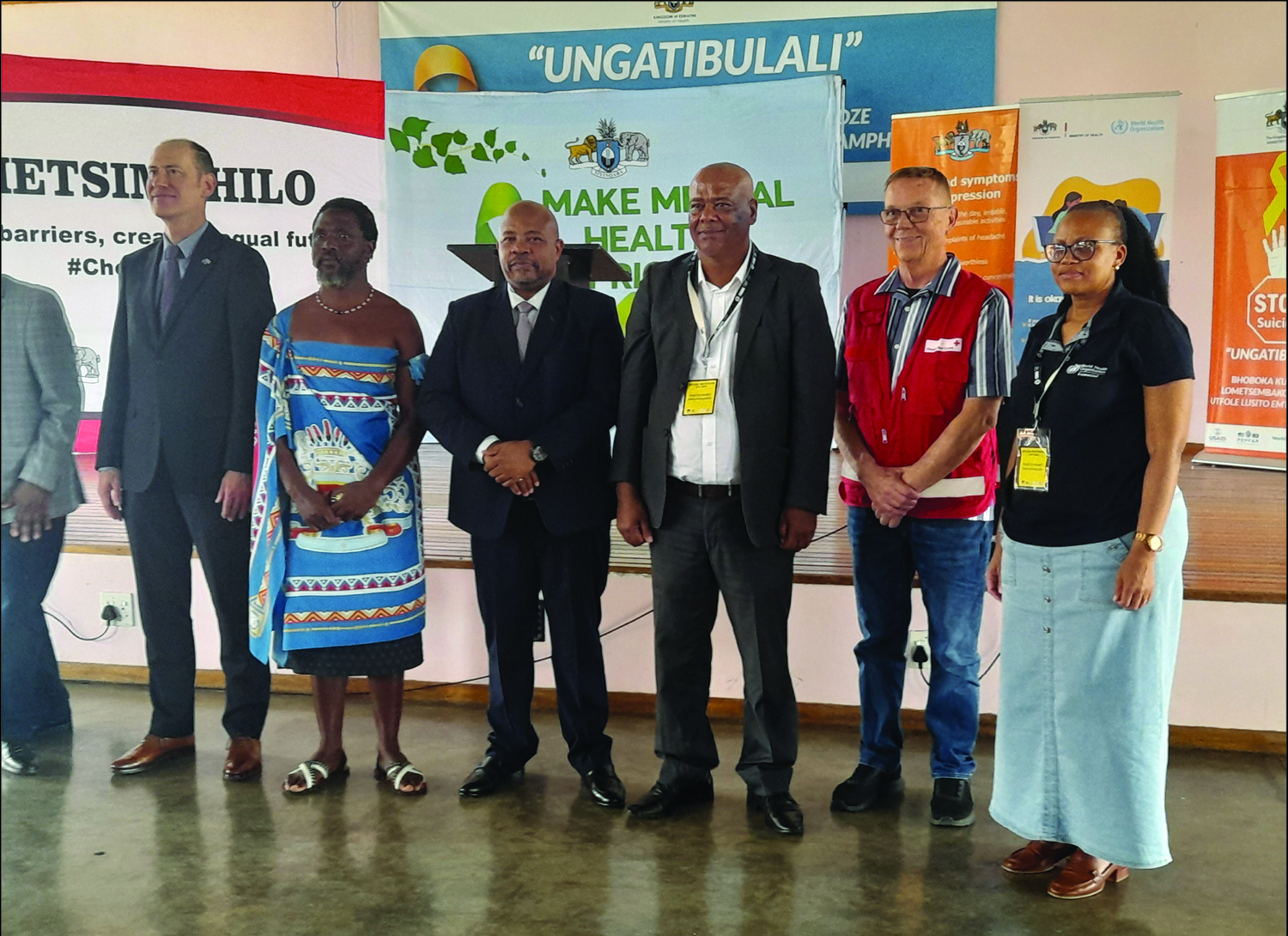
Lugongolweni Member of Parliament Joseph Souza has pointed out government’s failures as one of the factors which contribute to the high rate of suicide in the country.
Eswatini is reportedly one of the countries with the highest suicide cases, with the youth and men in particular taking the larger part of the fraction.
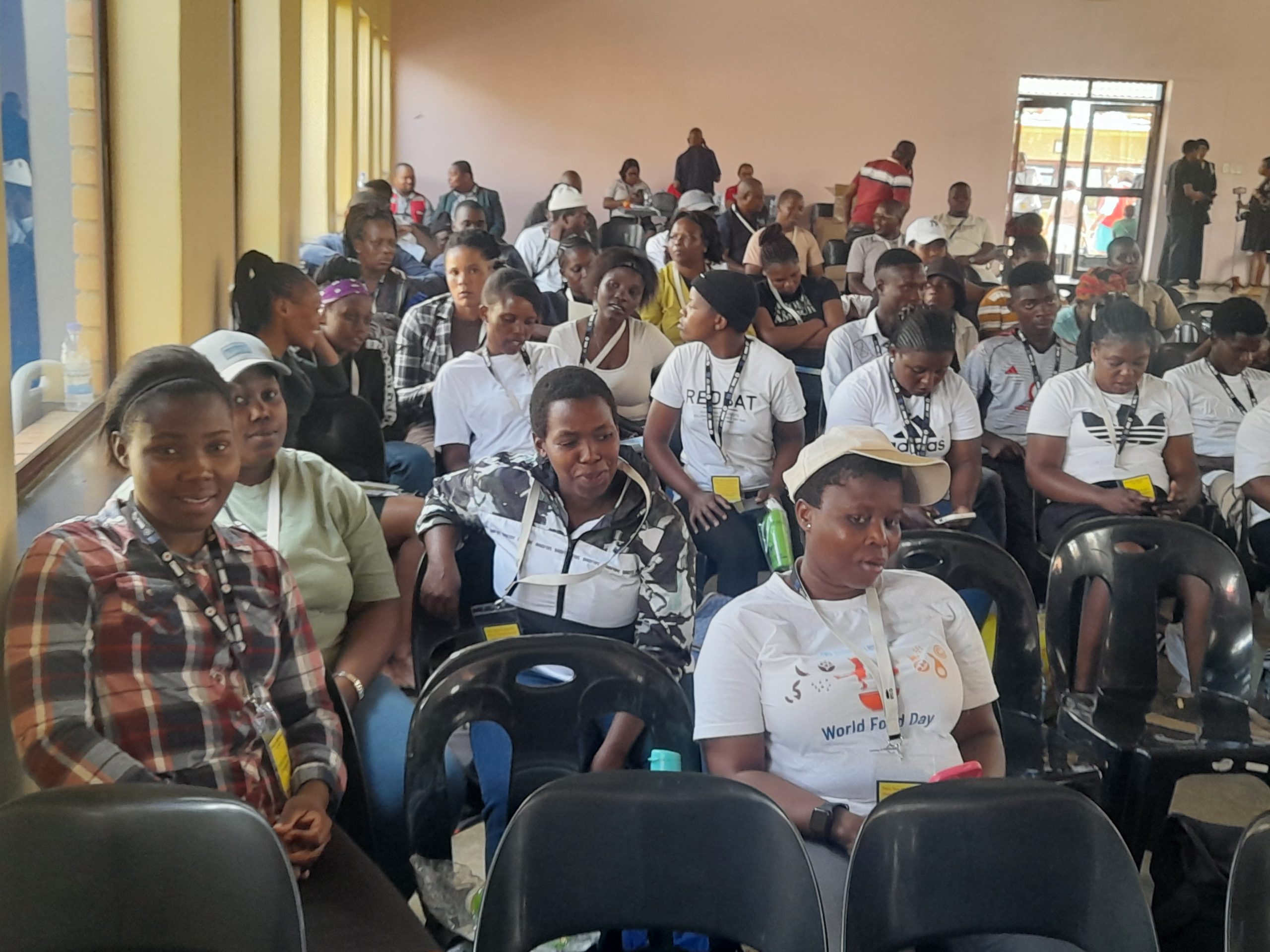
The statistics were also shared during a suicide prevention awareness campaign hosted by Baphalali Eswatini Red Cross Society (BERCS) in collaboration with the ministry of health, World Health Organization and other entities.
Souza noted that young people in the country were faced with many challenges which included the struggle to access tertiary education, limited employment opportunities and other societal challenges.
Souza said many young people who have completed their high school education were unable to enroll in tertiary, mostly because of the limited number of tertiary institutions which are recognised and supported by government.
Moreover, Souza noted that even those who had successfully enrolled at tertiary institutions such as the University of Eswatini, only a fraction of them get government scholarships while the remaining students were left to find alternative ways to cater for their tuition.
Souza said the issue of limited scholarships has opened a way for corruption as some students have to pay bribes in order to be considered for scholarships.
“We are at a stage where scholarships are either sold or being accessed by those whose parents have some sort of ‘connections’ with those responsible for issuing the scholarships,” he said.
Souza said these were some of the issues which resulted to the youth taking a larger fraction of suicides.
The MP said this should be a call for concern to government.
He said this also indicated that government’s priorities were misplaced.
While applauding government for providing free primary education for all and also assisting vulnerable children in high school, Souza said it was high time that government implement strategies that will ensure that every deserving child accesses tertiary education without any form of discrimination.
“It is high time that as government, we must direct more resources to sectors that will practically benefit the youth,” said the MP.
As part of solutions, Souza called upon government to ease the requirements for accessing financial support to start youth-driven businesses.
He noted that at present, the requirements for accessing funding from the Rural Development Fund and the various youth fund schemes made it difficult to access the fund in time.
“The processes to access such funding often takes very long while the youth languish in poverty and getting more stressed,” he said.
Meanwhile, BERCS Chief Executive Officer Danger Nhlabatsi stated that the issue of suicide needed all stakeholders to work together in finding solutions.
Nhlabatsi noted that suicide was a ‘disease’ that could affect anyone regardless of age.
He said it was necessary to join resources towards countering elements which could lead one to suicide.
Nhlabatsi further thanked partnering organisations which continuously worked on preventing suicide.
‘SPEAK OUT AND GET SAVED’
Suicide is no longer a topic that should be discussed in hushed tones but must be discussed openly and objectively.
This was highlighted by Minister of Health Mduduzi Matsebula during the World Suicide Prevention Day at Matsetsa.
Themed ‘Changing the narrative, start the conversation’, emphasised the importance of confronting issues which could lead one to suicide.
The minister said many suicide cases could have been prevented by simply speaking out about any situation that caused one to be stressed.
Matsebula directed his speech mostly to the youth, as it was reported that suicide remained one of the leading causes of death amongst young people aged between 15 to 29 years.
He highlighted that suicide was preventable and that effective interventions existed.
The minister said for too long, the topic of suicide was surrounded by stigma, fear and misunderstanding. He said society needed to change the perception and make it easy to engage on the topic.
To address the issue, the minister said government was already making some changes in some sectors to prevent suicide. He said for instance, government was gradually removing deadly pesticides from the shelves.
He noted that the easy access to deadly substances contributed to the high number of suicide cases.
He stated that to prevent suicide, all sectors needed to play their role actively.
Matsebula thanked the World Health Organization for its continued technical guidance and support to Eswatini.