The country continues to record the world’s highest HIV prevalence, with approximately 220 000 locals living with the virus and nearly one in every four adults aged between 15 and 49 affected.
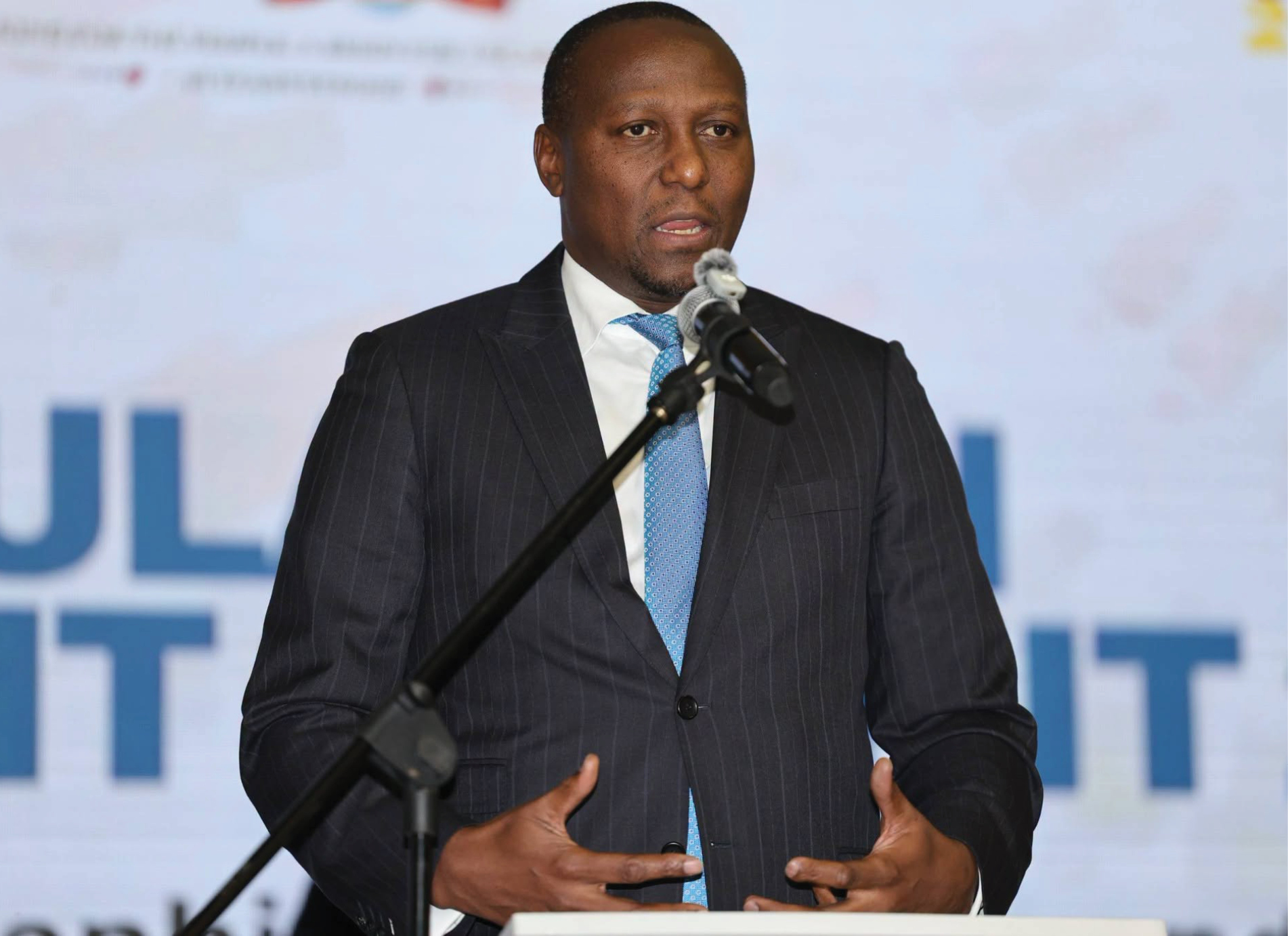
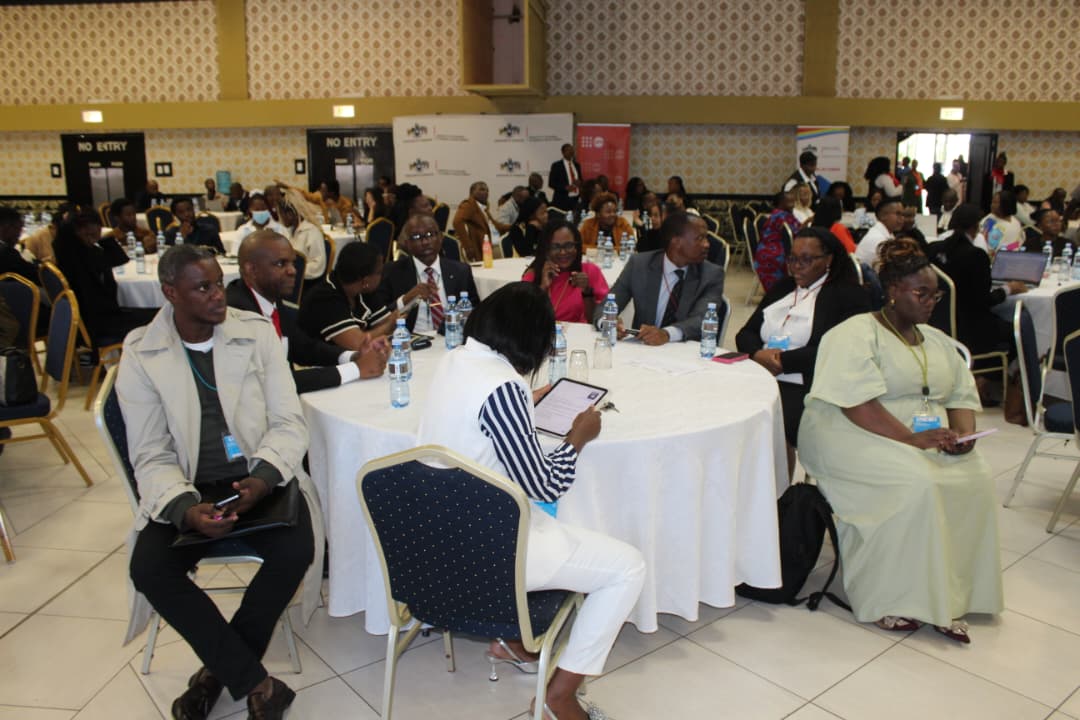
This was revealed by Prime Minister (PM) Russell Mmiso Dlamini during the Eswatini National Population and Development Summit 2026, held at Esibayeni Lodge in Matsapha yesterday.
Describing HIV as the country’s biggest threat to population growth and sustainable development, the prime minister warned that the epidemic continued to undermine economic and social progress.
“Let me speak plainly, HIV remains the single greatest threat to our population and development,” he said.
Dlamini said the country’s HIV prevalence remained particularly concerning, noting that nearly one in four adults aged between 15 and 49 was living with the virus, with the proportion among women exceeding one in four.
He explained that the epidemic disproportionately affected people during their most productive and reproductive years, depriving families of breadwinners, businesses of workers and the country of valuable human capital.
He said HIV also threatened healthy population growth, placed additional pressure on the healthcare system and risked undermining the demographic dividend the country was seeking to achieve.
However, Dlamini acknowledged that the country had made significant progress in combating the epidemic, with annual new infections declining from approximately 21 000 in 2000 to about 4 000 in 2023.
Despite these gains, he cautioned that reductions in external funding could jeopardise progress made over the years, warning that the country could not afford to reverse the gains.
The PM called on locals to know their HIV status, adopt preventive measures, remain committed to treatment and fight the stigma associated with the virus.
ALSO READ | Artists’ perfect riposte
He assured the nation that government would continue prioritising HIV services, describing the protection of these services as critical to safeguarding the country’s future.
Dlamini pointed out that addressing the country’s population and development challenges required more than government policies and healthcare services, emphasising the role of individual choices and societal values.
He noted that decisions relating to education, family planning, HIV testing, prevention and treatment were largely influenced by the values upheld by individuals and their communities.
He said locals were guided by longstanding cultural principles such as respect, responsibility towards families and communities, human dignity and the spirit of humanity.
“These values are essential in building stable families, protecting children and vulnerable members of society as well as creating communities where people support one another,” he said.
He warned that the erosion of these values was reflected in several social challenges confronting the country, including broken families, gender-based violence and the continued spread of HIV.
Dlamini therefore called for population research and development policies to take into account the cultural, religious and family structures that influence people’s behaviour.
He argued that programmes which resonated with the values and beliefs of communities were more likely to gain acceptance and deliver sustainable results.
The PM also challenged government ministries and researchers to ensure that population data and research findings were translated into practical policies and programmes that improved people’s lives. He described population research as an important tool for national planning, saying it provided government with information needed to determine where schools, clinics and other essential services were required, while identifying communities in need of additional support. He cautioned that, with government operating under constrained budgets and external financial assistance declining, the country could no longer afford to make important development decisions based on assumptions.
He then called on government ministries to use population evidence when developing policies and budgets while researchers were expected to produce practical and timely findings that could be easily understood and applied by decision-makers. He also called for institutions to share data responsibly to ensure that ministries and researchers worked together rather than operating in isolation. Dlamini also highlighted the importance of the 2027 Population and Housing Census, saying it would provide critical information to guide the country’s development planning.
He noted that the upcoming census would include additional data on water and sanitation, in line with this year’s African Statistics Day theme. The prime minister commended the Central Statistical Office for its work and acknowledged the support provided by the United Nations Population Fund (UNFPA) through the Eighth Joint Country Programme covering 2026 to 2030.