I left the Ezulwini Palazzo theatre early Sunday morning feeling rather better about the future of the arts in this country.
As someone who has always loved arts and entertainment and worked diligently in the field for at least a decade, I found the evening deeply encouraging. Here was local talent, given a stage and an audience, showing just how much this country has to offer.
The timing was particularly instructive. Outside the theatre, a fierce debate had been playing out on social media about support for artists and the role of the National Council of Arts and Culture. Inside, the artists were making a compelling case for themselves.
Perhaps somebody should have taken notes.
At the heart of the criticism is a straightforward concern – do the people the council exists to serve feel supported by it? Do they understand how decisions are made, what assistance is available and how they might qualify?
Sadly, the chief executive’s response has, in my view, deepened the frustration. Artists raising concerns about a perceived lack of support need to be heard. An explanation that leaves some wondering whether their particular craft belongs within the council’s preferred category hardly brings them closer.
Of course, funding has limits. Nobody seriously expects every application to succeed. But there is a way to explain those limits while still making an artist feel that their work matters. Clear criteria would help. So would an open conversation about the council’s priorities and how those priorities serve the breadth of talent in this country.
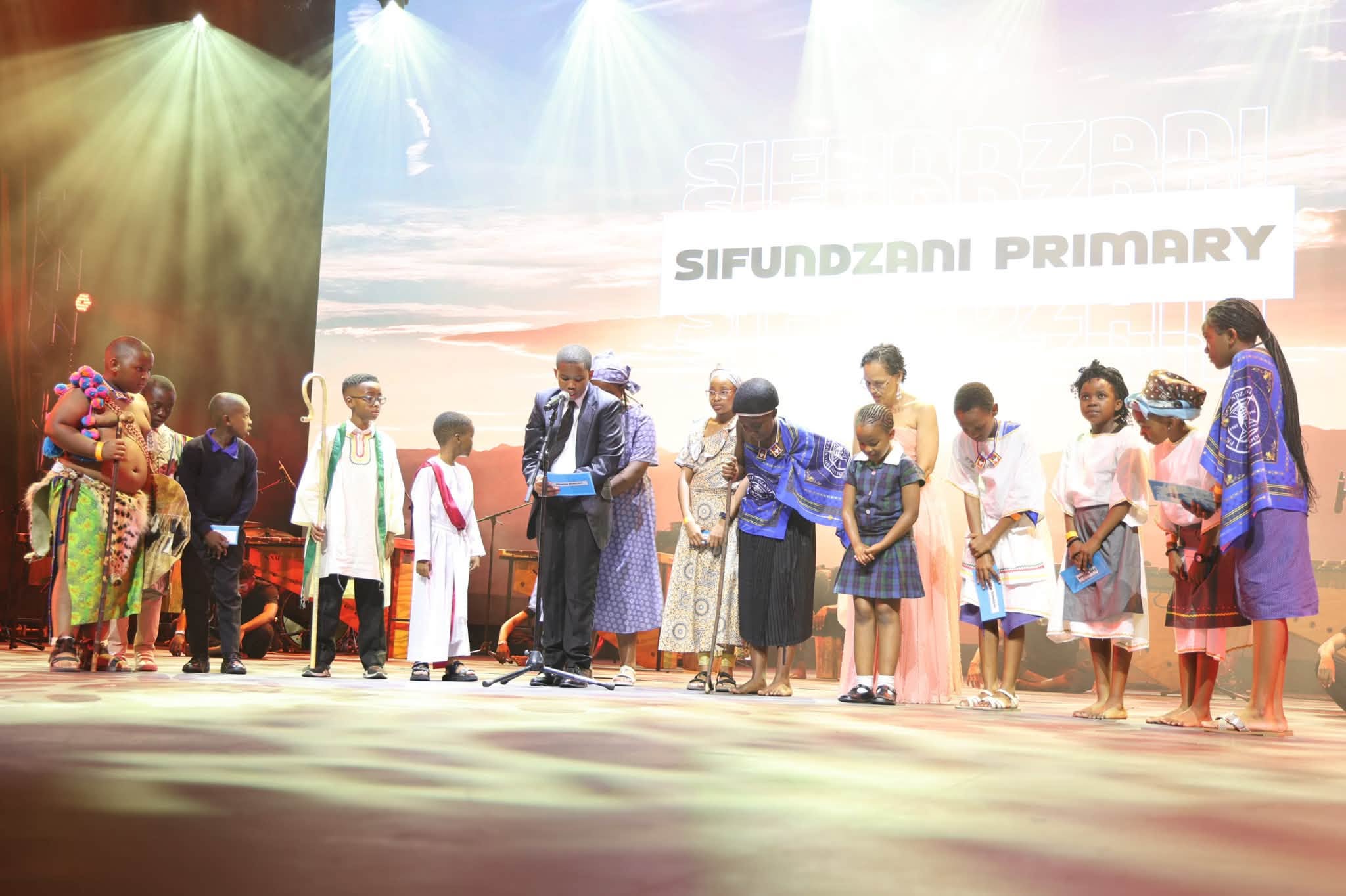
We speak often about creating opportunities for young people and diversifying the economy. The arts belong in that conversation. The pupils on that stage were showing us potential. Surely an institution charged with nurturing the arts should be asking how to help them fulfil it.
There was something especially telling about seeing this talent perform before His Majesty the King and his generous guest from Azerbaijan while the public argument about support for artists raged on.
Support for the arts from His Majesty and government creates an opportunity and a responsibility to engage the people doing the work. You cannot develop a sector from an ivory tower and expect everyone below to admire the view.
Congratulations are due to the young performers who made the evening what it was. They reminded us how much talent can emerge when somebody creates the opportunity for it to be seen.
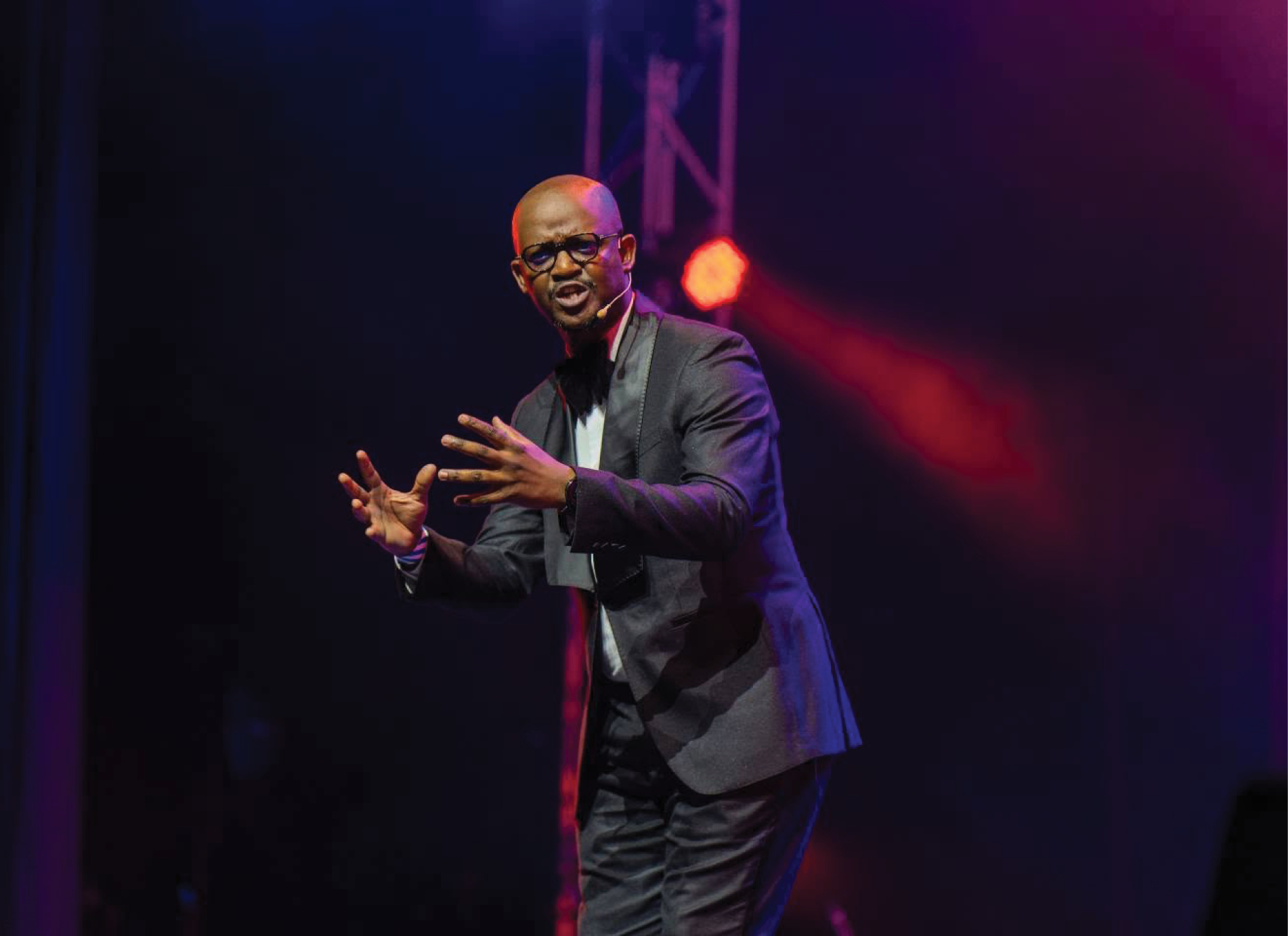
And then, of course, there was ‘PhD’. Here was a man who has spent years nurturing his craft, becoming a familiar and accomplished presence at events, directing a programme with His Majesty as the guest. This is a milestone worth celebrating.
Those years of practice matter. The ability to hold an audience, manage a programme and carry an occasion requires skill. It deserves to be recognised as such.
Imagine, though, an earlier version of ‘PhD’ approaching the council for assistance to attend a congress of programme directors in Serbia! Would the application have been assessed on what he might learn and bring home? Or would we first have needed a lengthy discussion about whether programme directing counted as the right sort of art?
The question may raise a smile. For somebody trying to build a career, the answer could make all the difference.
There was a time when prestigious engagements of this kind seemed reserved for celebrities from next door. For years, I argued that Emaswati deserved those opportunities because we had people who were just as capable.
For me, personally, Saturday night was a satisfying reminder of why that argument was worth making.
Giving local talent meaningful work helps it grow. A high-profile engagement brings experience, confidence and the chance to be considered for the next one. The council should be helping to widen that path, building relationships with organisers and making the case for Emaswati talent wherever opportunities arise.
The programme itself showed how broad that talent has become. Traditional expression sat comfortably alongside contemporary performance. Ballet, marimba and Gcayi all formed part of an evening that felt recognisably ours.
There is nothing puzzling about that. It reflects the people we are and the influences through which we express ourselves. Our artists should have room to explore that richness, with a council curious enough to recognise its possibilities.
If the repertoire on Saturday is anything to go by, the industry has much to celebrate. As for the artists, they should take pride in how far they have come. There was talent on that stage worth celebrating, and a place for it at the country’s grandest occasions. And everyone seized their moment – just as Gogo did when he shook His Majesty’s hand.