


THE country’s long-awaited watchdog over human rights and public administration could finally be given the teeth to do its job, but civil society wants Parliament to go further before the proposed law is passed.
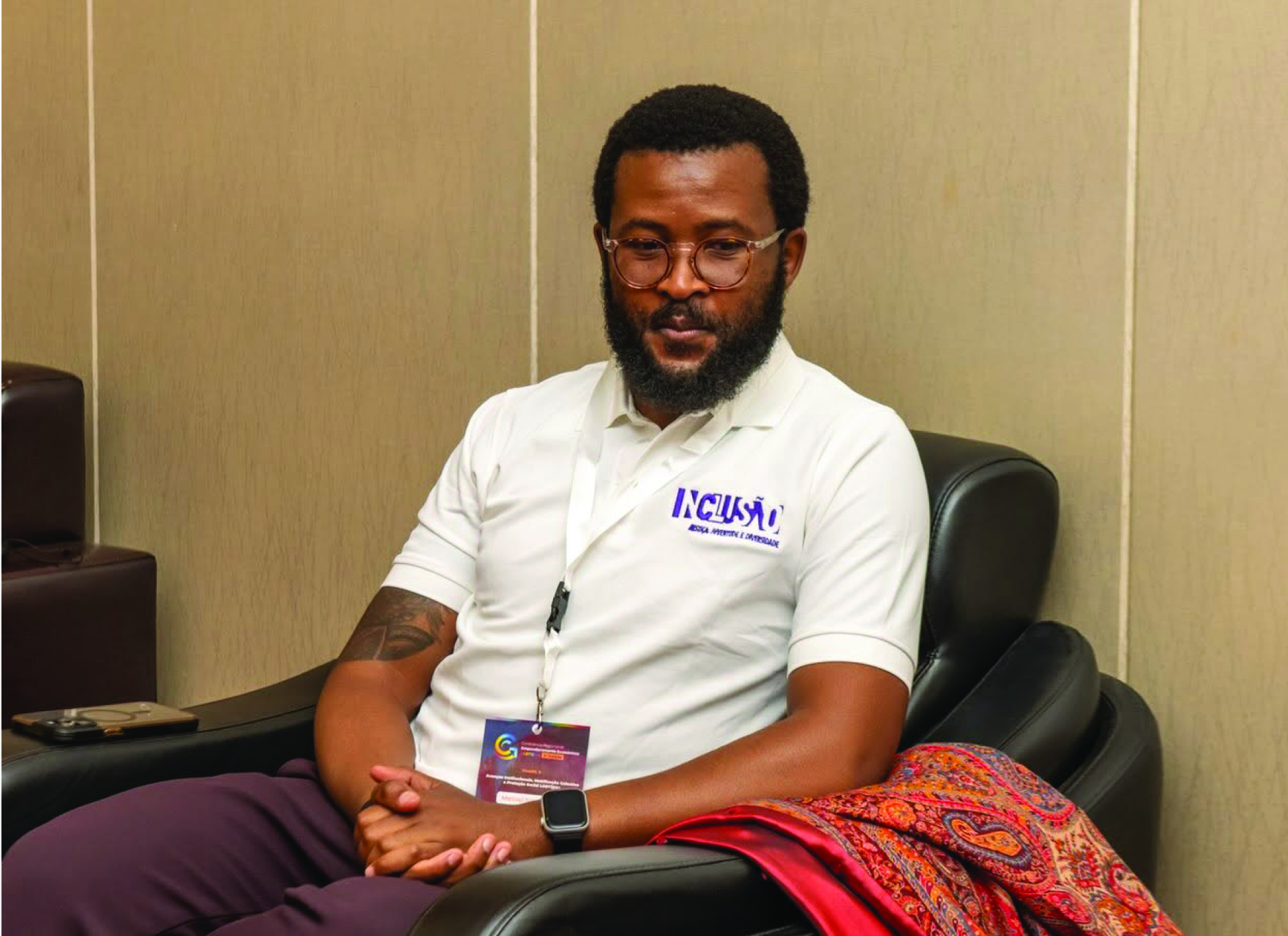
Melusi Simelane, Human Rights Policy Analyst and Head of Civic Rights at the Southern Africa Litigation Centre, said the Human Rights Commission Bill of 2025 presents a crucial opportunity to establish an independent and credible institution capable of holding the Executive to account.
He said while the Bill proposed significant new powers for the commission, including subpoena powers and unannounced inspections of detention facilities, several provisions still needed to be strengthened to ensure the institution could effectively fulfil its constitutional mandate.
He said the Bill of 2025 was, therefore, significant because it sought to strengthen the commission’s powers and potentially pave the way for its accreditation by the Global Alliance of National Human Rights Institutions (GANHRI). Among the proposed powers welcomed by civil society are the ability to subpoena individuals and documents and to conduct unannounced visits to detention facilities.
However, Simelane said the Bill still contained provisions that needed to be addressed if the commission was to operate independently and effectively.
One of the major concerns, he said, was the commission’s accountability.
Simelane argued that the commission should report to Parliament rather than the Executive, as its mandate included scrutinising public administration and holding government institutions accountable.
He also raised concerns about its funding, saying the legislation appeared to provide primarily for the commission’s salaries and administrative costs without adequately funding the activities necessary for it to fulfil its mandate.
“It must not just be funded to exist. It must be funded to do its work,” Simelane said.
Another concern relates to who would be entitled to approach the commission with complaints.
Simelane said the Bill’s definitions of a citizen, resident and visitor could exclude certain categories of people, including some migrants and people with unresolved immigration statuses, from seeking assistance from the institution.
He argued that human rights protections should be based on where an alleged violation occurred rather than a person’s nationality or immigration status.
“The conduct should follow the jurisdiction of where it happens. It should not follow a passport,” he said.
Simelane said this was particularly important for vulnerable people who might be unable to approach other State institutions because of their immigration status.
Civil society is also calling for the commission’s inspection powers to extend beyond correctional facilities.
While the Bill provides for inspections of correctional services facilities, Simelane said the commission should be able to conduct unannounced visits to any institution where vulnerable people are held or cared for. This could include refugee facilities, orphan care centres and disability centres, among other institutions.
He said the commission needed to be empowered to determine whether people in such facilities were being treated fairly and whether their rights were being respected.
Simelane said the four key demands presented to Parliament were, therefore, that the commission report to Parliament, receive adequate funding to perform its functions, have jurisdiction over human rights violations regardless of immigration status, and have broader inspection powers.
The Ministry of Justice and Constitutional Affairs Portfolio Committee is currently considering public submissions on the Bill.
Simelane said civil society would continue engaging the public on the proposed legislation through a webinar scheduled for September 22, where organisations and members of the public would be encouraged to understand the Bill and lobby their representatives for amendments.
He said a former commissioner of the Malawi Human Rights Commission, which has received GANHRI accreditation, would also participate in the discussion.
According to Simelane, accreditation would demonstrate that Eswatini’s Human Rights Commission meets international standards of independence and credibility and is capable of holding government to account.
The commission’s existing constitutional mandate includes investigating complaints of injustice, corruption, abuse of power and unfair treatment by public officers.
Simelane urged members of the public and civil society to participate in the debate, saying the Bill presented an opportunity to ensure that the commission became an institution that could meaningfully protect people’s rights and dignity.