
WHEN His Majesty King Mswati III ascended to the throne in 1986, the country’s media landscape was vastly different from what it is today.
Four decades later, the country’s media has evolved alongside major technological, social and economic changes moving from a largely traditional broadcasting environment to one that now includes digital platforms, online publications and increasingly immediate access to information.
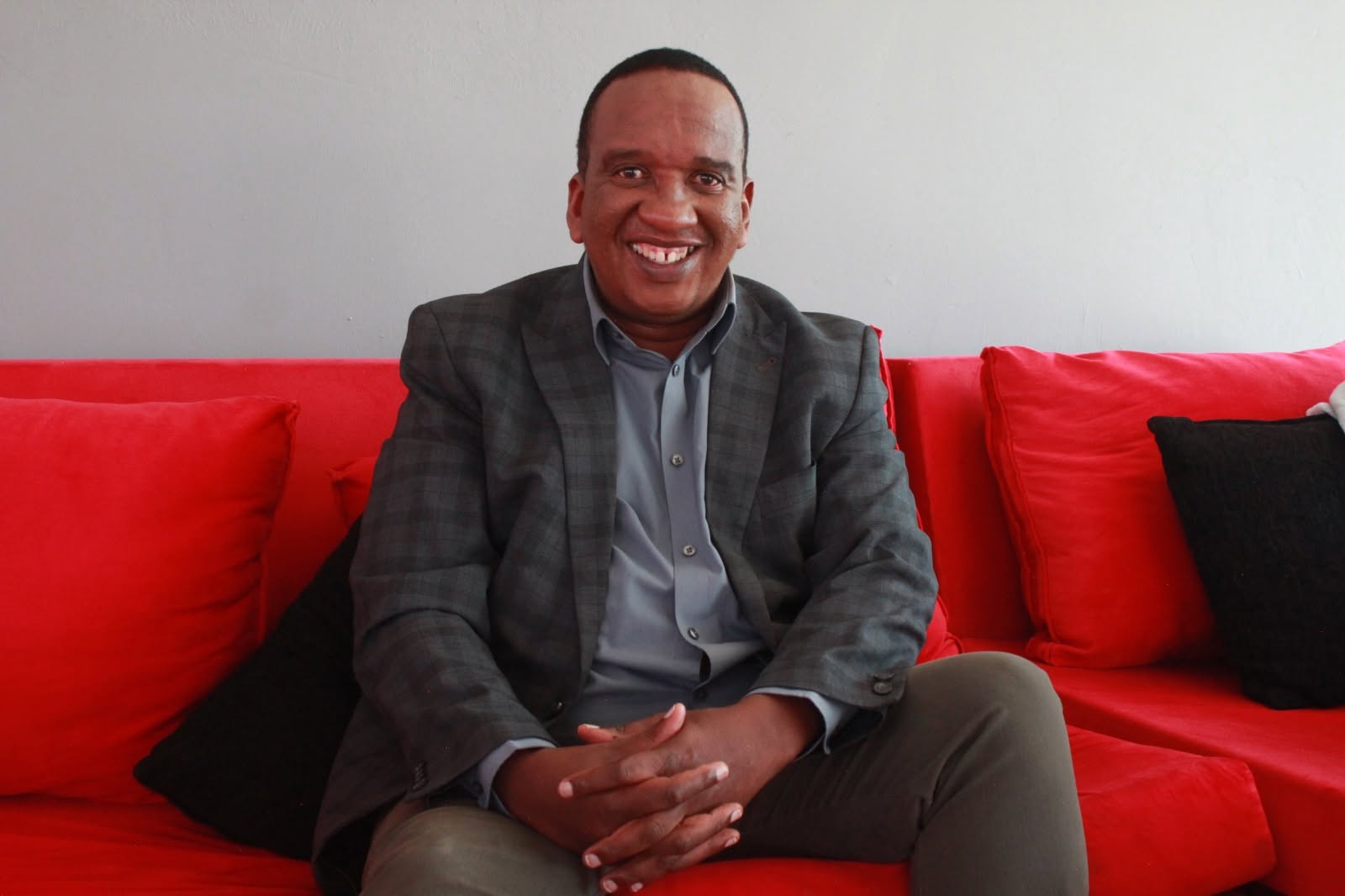
For Channel Yemaswati Director Qhawe Mamba, one of the most significant aspects of this evolution has been the changing relationship between the media, the security establishment and the king.
Reflecting on the past 40 years of the king’s reign, he said the media had undergone considerable transformation under a leader who in his view understood the importance of the media and its role in national development.
He recalled that in the earlier years, there was often friction between journalists and security personnel particularly around access to the king during public engagements.
He said the king would intervene when necessary, instructing security personnel to allow journalists to carry out their work.
He said in the past security personnel often needed to personally know a journalist before allowing that person access; this presented a particular challenge for newcomers entering the profession.
Today, Mamba pointed to accreditation tags and more established media-access procedures as some of the changes that have made it easier for journalists to identify themselves and perform their duties.
He believes this gradually helped create an environment where journalists gained greater access to the monarch.
One of the clearest examples of this evolution, he said has been the practice of journalists being able to pose questions to the king and interview him upon his return from official trips abroad.
Mamba said he was among those who initiated the practice of interviewing the king upon his return to the country.
“I actually initiated interviewing the king upon return. There were some difficulties, but it has become a norm because the king embraced the change. There is a lot of difference as there is access and tags that help to identify one,” Mamba said.
For Mamba, the evolution was not simply a product of technological advancement. He attributed part of the change to the character and approach of the king himself.
He said the monarch’s exposure to international leaders and different approaches to media engagements also played a role in shaping his understanding of the profession.
This, he argued, helped the king appreciate that the media could play a constructive role in communicating national developments and giving the public access to information.
Mamba recalled that some resistance initially came from older generations who were accustomed to controlling or carefully containing information.
He said that while labadzala were accustomed to incubating information, the king wanted information to be disseminated particularly because he was not seeking to hide matters from the public.
He said this willingness to embrace change has been an important characteristic in the evolution of the relationship between the monarchy and the media.
Mamba also pointed to the king’s patience as another personal quality that has influenced the working relationship between the monarchy and the media.
He recalled an incident during the official opening of the Sigombeni Clinic involving Eswatini Broadcasting and Information Service reporter Ndlela KaSompisi.
During the event, he said there were glitches while the reporter was delivering his work and the king remained patient with the journalist despite the difficulties.
He said such moments demonstrated a broader understanding of the realities faced by media practitioners. He said the development of a country’s media is influenced significantly by the character and understanding of its principal leader.
“What normally determines the development in the media is the principal; its magnanimity and his understanding of the media itself has been quite helpful in the past 40 years,” Mamba added.
Mamba further described King Mswati III as highly intelligent, observant and possessing a strong memory.
He said the king had demonstrated an ability to remember details from many years ago, something Mamba believes has contributed to the monarch’s approach to leadership and decision-making.
He said this ability to retain historical details enabled the king to connect present-day decisions with experiences from earlier periods of the country’s development.
“One would not make a mistake of saying something today and think that he will forget because he will give details of a 1986 occurrence,” Mamba said.