



An estimated 93% of girls under the age of 18 living in rural communities are already mothers.
This has raised alarm over the prevalence of teenage pregnancy and the vulnerability of young girls across the country.
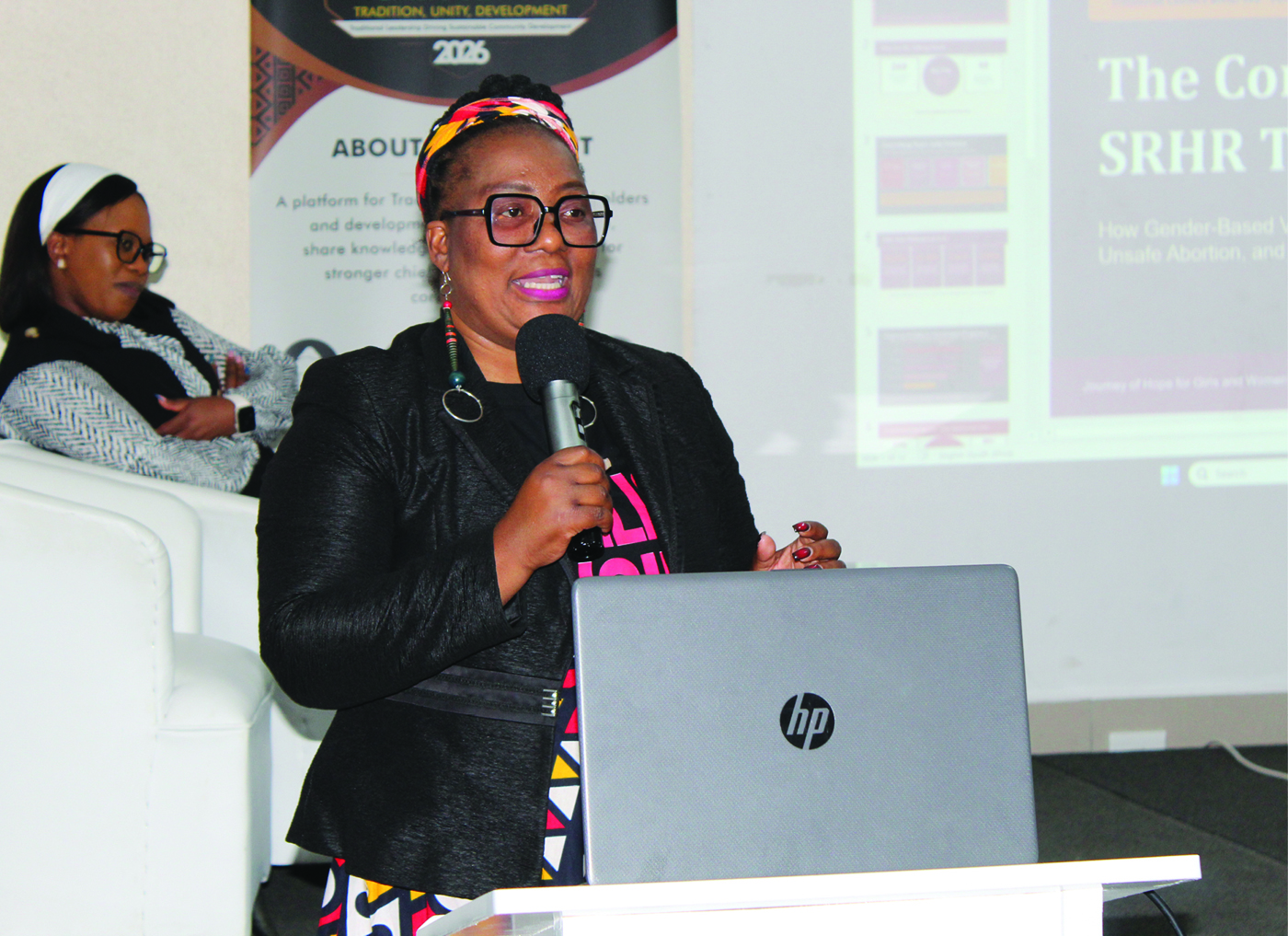
The figures were revealed by Colani Hlatjwako, the Africa Regional Coordinator of the One Billion Rising Campaign on Thursday during the closing session of the three-day Chiefs’ Summit held at Esibayeni Lodge.
Hlatjwako said the One Billion Rising Campaign, which is active in 42 tinkhundla centres across the country, was working closely with chiefs and women community support groups to address gender-based violence, teenage pregnancy and unsafe abortions, amongst others.
She said the organisation recently conducted research in the Manzini region to establish the underlying causes of teenage pregnancies and abortions.
She said according to the findings, men were identified as the primary drivers of unintended pregnancies, with many women indicating that they have little control over reproductive decisions within relationships.
“The women we interviewed told us their partners decide whether they should have children or not,” Hlatjwako said.
She added that the research also found that many women remain financially dependent because of high unemployment, making it difficult for them to negotiate issues relating to contraception and family planning.
She said according to the research, about 93% of young girls under the age of 18 already have children in the rural areas.
Hlatjwako expressed concern that, despite the law criminalising sexual relations with anyone under the age of 18, very few perpetrators were ever brought before the courts.
“Having sexual intercourse with a child under the age of 18 is a criminal offence, yet our research found that no one is arrested for such,” she said.
She attributed this largely to fear among victims, saying many children lack confidence in the justice system and believe the law did not adequately protect them.
She further noted that while legislation permits survivors of rape to access lawful termination of pregnancy, many girls encounter delays in accessing the service.
“Our findings show that some children only receive these services when the pregnancy is well advanced, making the process even more traumatic while others would give birth without accessing the services,” she said.
Hlatjwako said children who participated in the study identified chiefs and community leaders as trusted figures capable of influencing social change.
She urged traditional leaders to engage men on responsible fatherhood and family planning as part of efforts to reduce unintended pregnancies and unsafe abortions.
She also warned that unsafe abortions continue to place a significant financial burden on the country’s healthcare system.
According to Hlatjwako, post-abortion care can cost the health sector as much as E86 000 per patient, funds which she said could instead be invested in preventative family planning services.
Hlatjwako called on chiefs to work with Members of Parliament to strengthen legislation that protects women and children, while urging traditional leaders to remain impartial when handling cases of gender-based violence.
She cautioned against siding with male perpetrators and appealed to chiefs to intervene in cases where divorced or separated women were unlawfully evicted from their homes.
She also encouraged chiefs to safeguard women-owned businesses within their communities and invited those interested in establishing tigungu (community support groups) to partner with the One Billion Rising Campaign.
“We believe that chiefs are uniquely positioned to influence communities, protect women and children, and create an environment where young people can thrive,” she said.
Hlatjwako concluded by expressing concern over the country’s high rate of abortions, stressing that stronger community leadership, improved access to family planning services and stricter enforcement of existing laws are critical to reversing the trend.