



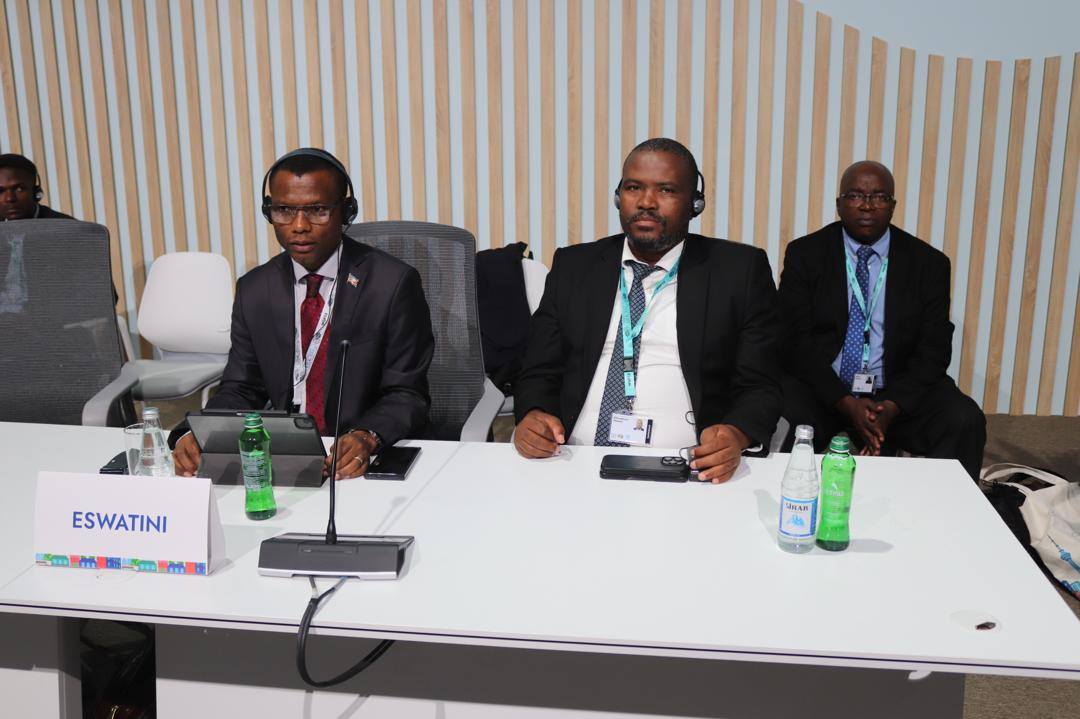
MINISTER of Housing and Urban Development Appolo Maphalala has singled out rural-urban migration as a major factor in shrinking housing accessibility in local urban centres.
Maphalala was speaking in Baku, Azerbaijan, at the 13th Session of the World Urban Forum (WUF 13) yesterday, with global leaders, policymakers and urban experts who gathered to discuss the challenges of rapid urbanisation and sustainable city development.
Maphalala told participants that increasing rural-urban migration had placed enormous pressure on the country’s housing supply and urban infrastructure, as well as service delivery systems. He lamented the mushrooming of informal settlements, which often lack basic services such as water, sanitation and electricity, as a consequence of rural-urban migration.
On the same wavelength, the minister assured delegates that the country had prioritised housing and development as key pillars of national development.
“Eswatini recognises that provision of adequate housing is not merely a basic human need, but a fundamental driver of dignity, social inclusion, economic growth and environmental sustainability. It is central to achieving the vision of integrated, prosperous and peaceful world, as outlined in Agenda 2030 and the New Urban Agenda,” he said.
Minister Maphalala affirmed that the country aligned itself with the theme of the forum, “Housing the World: Safe and Resilient Cities and Communities.”
The forum, running through May 22, is expected to focus on affordable and resilient housing, climate adaptation, infrastructure development and inclusive urban growth, while providing countries with a platform to share urban development experience and innovative solutions.
ALSO READ | Households buckle under rising costs
Jointly organised by the United Nations Human Settlements Programme and the Azerbaijani government, this year’s edition will feature the debut of a leaders’ summit. Initiated by the Azerbaijan government, the summit will bring together heads of state, along with senior officials, to discuss strategic priorities for the future of cities and strengthen international cooperation.
“These initiatives once again demonstrate that housing and urban development are no longer merely technical matters, but issues of global strategic importance that require leadership at the highest level,” said WUF 13 National Coordinator Anar Guliyev.
On the opening day, Azerbaijan chaired a ministerial meeting on the New Urban Agenda. Held at the midpoint of the agenda’s 20-year implementation period, the meeting reviewed progress achieved so far, identified key challenges and discussed priorities for the next stage.
Established by the United Nations in 2001, the WUF serves as a high-level platform for dialogue on sustainable urbanisation. Its first session was held in Nairobi in 2002.