


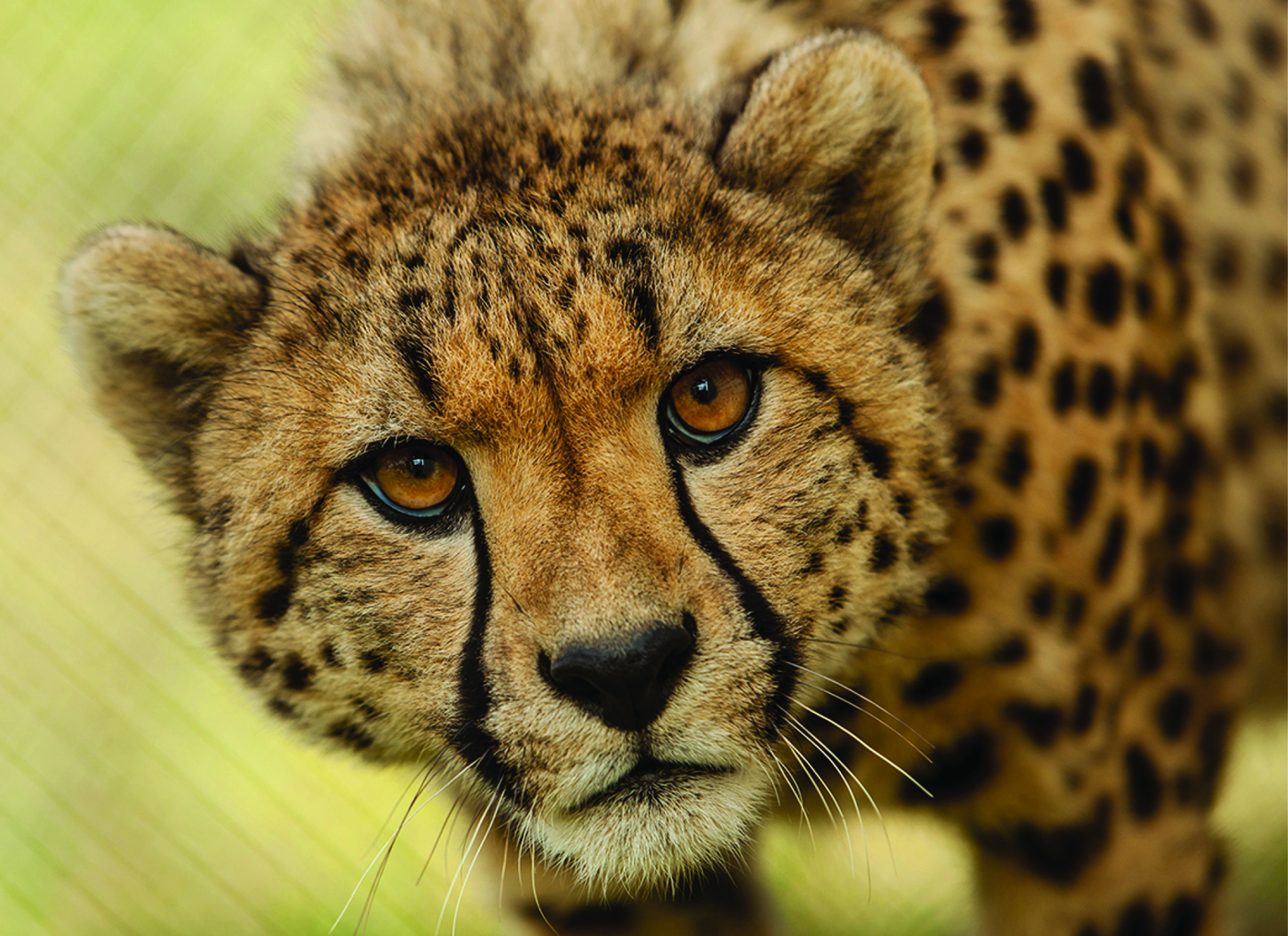
CHEETAHS have returned to the kingdom for the first time in more than 35 years following the successful reintroduction of four of the species to Royal Jozini Private Game Reserve.
The project, which forms part of the Southern African Cheetah Metapopulation Initiative, marks the establishment of a founder population in the country and a significant step in the restoration of large carnivores within the kingdom.
This is detailed in a statement from the game reserve released yesterday. It shows that, historically, cheetahs were widespread across the country, but habitat loss, persecution and declining prey populations led to their disappearance from much of the land.
Records indicate that the last viable cheetah population existed in the 1980s.
The reintroduction was carried out in two phases.
In December 2025, two adult female cheetahs were translocated from Nyosi Wildlife Reserve in South Africa’s Eastern Cape through a collaboration between Nyosi Wildlife Reserve and the Global Humane Conservation Fund of Africa, with support from Mantis and ALL Accor Members.
Following quarantine procedures, veterinary clearance and a 30-day acclimatisation period, the females were released into Royal Jozini in January.
Since then, both animals have adapted well, successfully hunting and establishing themselves within the reserve.
The second phase took place in April when two adult male cheetahs were translocated from Dinokeng Game Reserve through a partnership involving the Wildlife Emergency Fund and the Metapopulation Initiative.
Tracking collars for the animals were provided by WeWild Africa.
The males underwent quarantine and veterinary management at Kifaru Wildlife Veterinary Services before being transported to the kingdom and released after a further acclimatisation period.
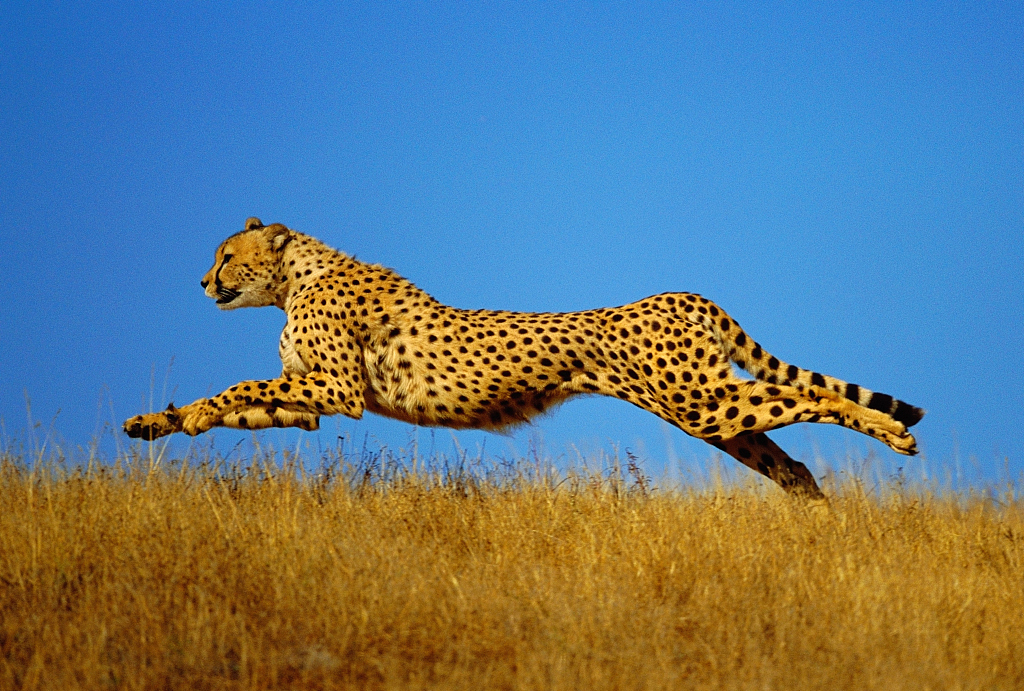
According to project partners, all four cheetahs are now being monitored daily through satellite and VHF tracking systems, as well as field observations.
Recent monitoring has shown that the males are exploring extensively in the northern and eastern sections of the reserve, while the females continue to thrive and make regular kills.
Tracking data further indicates that the males and females are now occupying neighbouring areas, raising hopes that the country could soon welcome its first cheetah cubs in decades.
Global Humane Conservation Fund of Africa Regional Director for Africa Taryn Gillson described the reintroduction as a historic milestone for Eswatini and highlighted the significance of the two female cheetahs.
She said the females were raised by a rehabilitated and successfully rewilded cheetah at Nyosi Wildlife Reserve, demonstrating the long-term conservation impact of investing in animal welfare.
“Their journey is a powerful reminder that when we give wildlife a second chance, the benefits can extend across generations,” said Gillson.
Royal Jozini Private Game Reserve Managing Director Jay Azran described the return of the animals as a defining moment in the kingdom’s conservation history, noting that it restored an important part of the country’s natural heritage while strengthening efforts to conserve biodiversity.
Azran added that Royal Jozini was established with a vision of transforming the area into a world-class conservation and eco-tourism destination, adding that the reintroduction represented another step towards achieving that goal.
He thanked the various stakeholders involved in the project, saying that the return of cheetahs demonstrated what could be achieved when public and private sector partners worked together to protect wildlife for future generations.
The project was made possible through collaboration between Royal Jozini Private Game Reserve, Nyosi Wildlife Reserve, Dinokeng Game Reserve, the Global Humane Conservation Fund of Africa, the Metapopulation Initiative, Kifaru Wildlife Veterinary Services and the Wildlife Emergency Fund, together with support from wildlife authorities in Eswatini and South Africa.
Wildlife Emergency Fund’s Dereck Milburn said cross-border wildlife translocations were highly complex and required cooperation among numerous partners.
He said the organisation was pleased to see cheetahs return to Eswatini and looked forward to the four animals contributing to the broader Southern African cheetah population.
Milburn described the project as another conservation success story for the species.
Meanwhile, Metapopulation Initiative’s Kulani Nyakane said the project illustrated what could be achieved through long-term collaboration and coordinated conservation planning across the region.
Nyakane said the return of the four cheetahs to landscapes where the species had disappeared represented hope, restoration and a renewed future for cheetahs in the region.
He added that sustainable conservation success depended on collaboration, commitment and a shared mission to restore Africa’s wild landscapes for both wildlife and people.
“We are proud to continue the vision and legacy laid by Vincent van der Merwe and we look forward to walking this journey alongside our partners in Eswatini. Initiatives like these show that lasting conservation success is only possible through collaboration, commitment and a collective mission to restore Africa’s wild landscapes for both wildlife and people,” he said.