



THE United Nations in Eswatini recently launched the United Nations Sustainable Development Cooperation Framework (UNSDCF) 2026–2030.
Signed in collaboration with the government and private stakeholders, this multi-billion dollar framework focuses on accelerating the country’s progress toward upper-middle income status and the Sustainable Development Goals (SDGs).
The new cooperation framework and associated country programmes focus on several key actionable areas built on a ‘delivering as one’ approach to reduce fragmentation. The framework prioritises human capital, private sector employment, climate resilience and inclusive governance.
The UN plans an estimated investment of E51.84 billion (US$3.2 billion) in the Eswatini economy to support sustainable development and job creation.
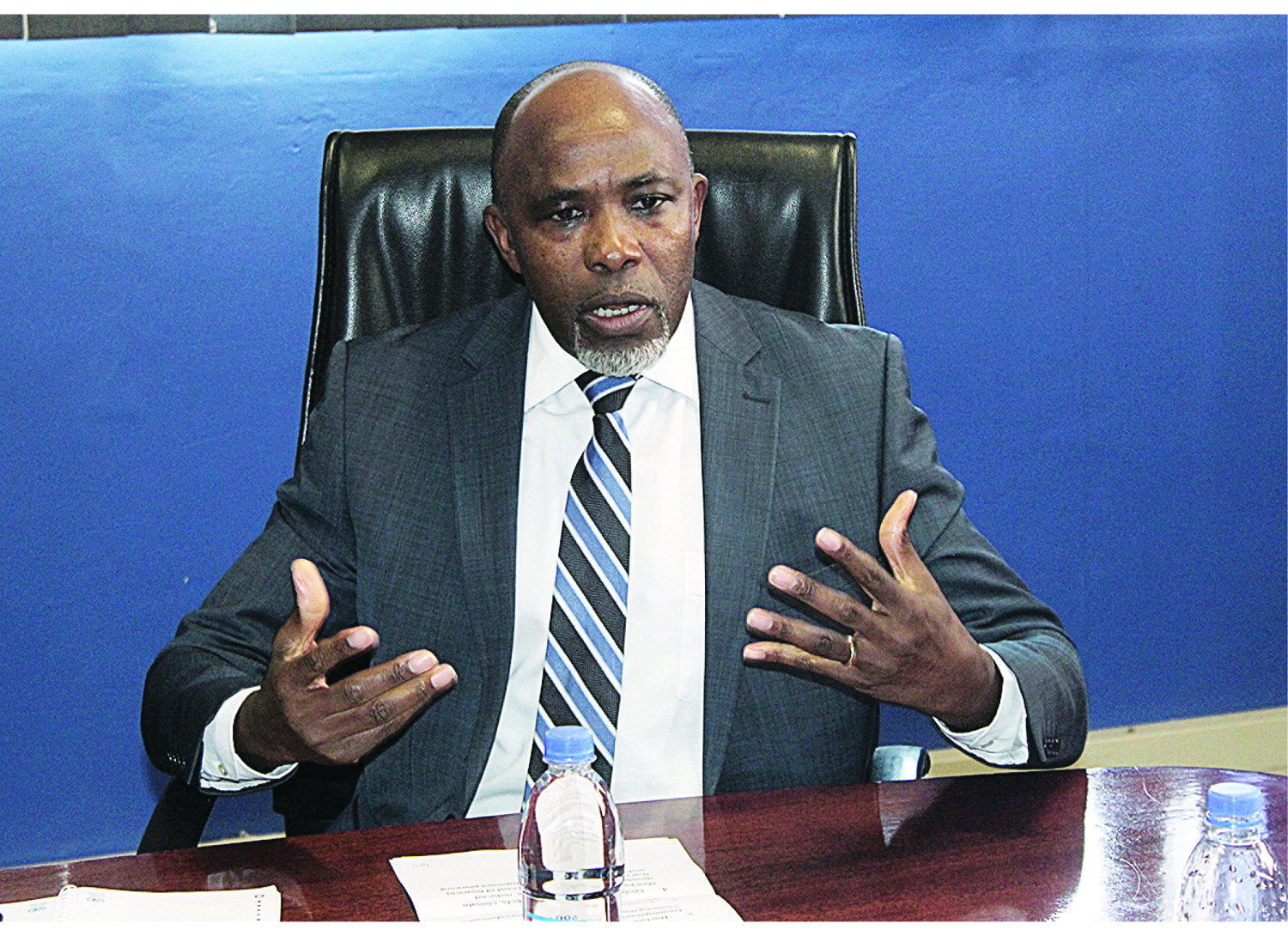
UN Resident Coordinator George Wachira said the framework directly addresses vulnerable populations by integrating inputs from extensive, government-led consultations with youth, women and persons with disabilities.
Speaking during their visit at Eswatini Observer offices yesterday, he said the UN was positioning micro, small and medium enterprises (MSMEs) as drivers of the country’s economic boost.
He emphasised that the UN was the primary driver for positioning MSMEs as economic engines in the Eswatini National Policy for Micro, Small and Medium Enterprises (2024–2029).
The policy for MSMEs was developed by the ministry of commerce, industry and trade alongside the United Nations Development Programme (UNDP) Eswatini. This policy transforms MSMEs from informal survivalist operations into highly competitive, formal enterprises.
“MSMEs currently generate 50% of the country’s gross domestic product (GDP) and employ 21% of the workforce.
Approximately 70% to 75% of MSMEs operate informally with a single owner, creating no outside jobs. The growth goal is transitioning informal businesses into formal ones to unlock over 20,000 new jobs and combat a 58% youth unemployment rate,” said Wachira.
The UNSDCF organises direct support through seven targeted action areas. These include business-enabling environment, access to finance, markets and value chains that would enhance public and private procurement to favour indigenous MSMEs through the Citizen Economic Empowerment Act.
Other targeted action areas are human capital development, business support programmes, standards and compliance aligning product quality with international demands to leverage trade agreements like the EU-SADC Economic Partnership Agreement, infrastructure and technology.
The framework notes that the country is at a critical juncture, balancing economic growth and sustainability amid extreme poverty, youth unemployment, MSME limitations, environmental degradation and industrial under-diversification.
Through strategic partnerships with the Global Environment Facility (GEF), the Green Climate Fund (GCF), the European Union and the Government of Italy, the UNDP will advance national climate and development goals via the Nationally Determined Contributions (NDC) Partnership.
ALSO READ | ‘Modern air infrastructure key to trade, economic expansion’
To accelerate economic transformation, UNDP will enhance policy frameworks to stimulate entrepreneurship, job creation, economic diversification and green-sector innovation through innovation and technology.
Empowering youth and at-risk populations with market-relevant skills and connecting them to sustainable employment is central. Digitalisation, local certification schemes like Ingelo Certification and enhanced MSME support will improve competitiveness and employment pathways.
This UNDP-supported initiative focuses on MSMEs product quality certification to enhance market access.
The private sector, particularly MSMEs, will be central to economic growth, supported by sector-specific interventions, blended financing, and strategic partnerships with Business Eswatini and State-owned enterprises.
UNDP will focus on joint advocacy and collaborative initiatives to increase productivity and value chain opportunities.
“Blended financing and strategic partnerships, including with the United Nations Capital Development Fund (UNCDF), will help expand MSME access to capital with targeted support for women-led enterprises to ensure their growth and sustainability.
UNDP will support underdeveloped sectors such as tourism, arts, and manufacturing to unlock economic potential and drive diversification. Strengthening high-value commodity production and national branding will bolster Eswatini’s competitiveness in domestic and international markets,” reads the report.
MSME integration into larger enterprises and dynamic value chains will help generate equitable opportunities across high-growth sectors. UNDP will also engage international financial institutions (IFIs) and development finance institutions (DFIs) to mobilise funding and support collaborative action.