



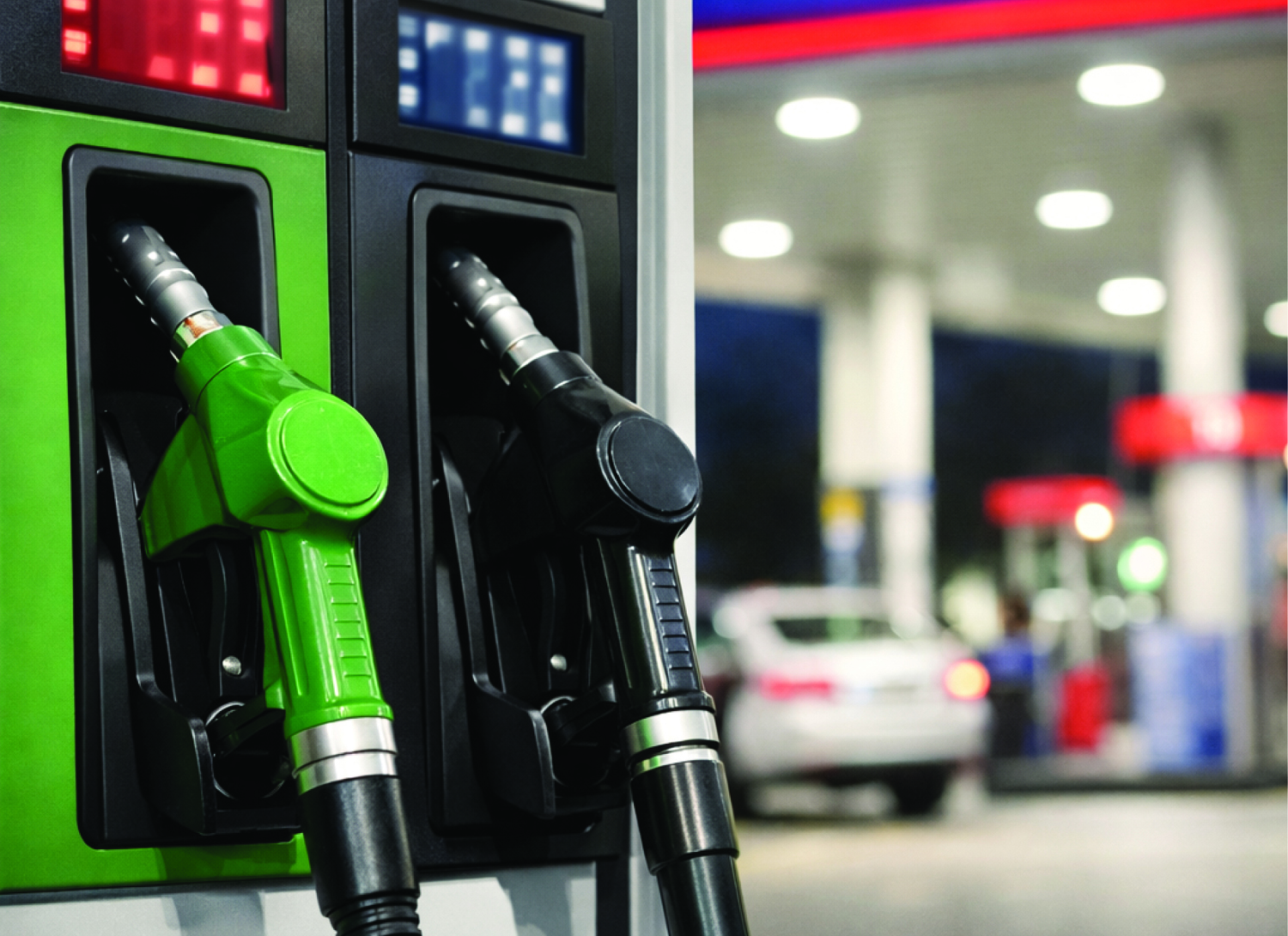
Local motorists will have to dig deeper into their pockets for petrol from tomorrow after government announced another fuel price increase, while diesel users will enjoy significant relief at the pumps.
Ministry of Natural Resources and Energy Principal Secretary Lindiwe Mbingo announced yesterday that the price of unleaded petrol will increase by 90 cents per litre, rising from E25.27 to E26.17 per litre. In contrast, diesel will decrease by E2.40 per litre, dropping from E31.60 to E29.20 per litre.
Meanwhile, illuminating paraffin will fall by E2.90 per litre, from E26.28 to E23.38 per litre.
The new prices take effect at midnight today, becoming effective tomorrow.
Since April, the country has implemented three consecutive fuel price increases, with petrol rising each time. Over these months, fuel has increased by a total of E6.72.
According to the ministry, international crude oil prices have declined, averaging US$104 per barrel compared to US$110 per barrel in April.
The ministry also attributed the lower diesel and paraffin prices to reduced demand following the end of the northern hemisphere winter season, while petrol demand has increased as the summer driving season begins.
The latest adjustment continues a trend of fuel price volatility that has characterised the past three months.
Between April and May, the kingdom experienced steep fuel increases driven by global oil market disruptions linked to geopolitical tensions in the Middle East. The latest increase means petrol prices have now risen repeatedly within a relatively short period, placing additional pressure on households and businesses already grappling with the high cost of living.
Despite the latest petrol hike, the announced increase is lower than that implemented in neighbouring South Africa this month. South African authorities announced petrol price increases of just over E1 per litre, while diesel prices were cut by between E2.96 and E3.60 per litre, depending on the grade.
The adjustment was influenced largely by the partial reintroduction of fuel levy relief measures that had been introduced earlier to cushion consumers from the impact of soaring global oil prices.
Like the kingdom, South Africa also recorded a mixed adjustment in which petrol became more expensive while diesel prices fell sharply. Analysts in South Africa noted that although international fuel prices had improved during May, tax and levy changes ultimately pushed petrol prices higher.
READ MORE | Home affairs extends working hours for passports
The developments reflect the close relationship between the local fuel pricing trends and those in South Africa, given the integrated nature of the regional fuel supply chain.
However, the country’s petrol increase of 90 cents per litre remains lower than the increase faced by South African motorists this month, while the diesel reduction is also slightly lower than some of the reductions announced across the border.
The ministry has urged consumers to use fuel efficiently, noting that both international oil markets and the lilangeni-US dollar exchange rate remain volatile and could continue influencing future fuel price adjustments.
…Diesel price drop brings hope for stable bus fares
INDEPENDENT economist Thembinkosi Dube says the decrease in diesel prices offers hope that public transport operators may not seek a steep increase in bus fares.
Dube said diesel remains the backbone of the country’s economy as it powers most public transport vehicles, tractors and other heavy-duty machinery.
As such, the E2.40 per litre reduction in diesel prices is welcome news for both transport operators and commuters.
He noted that lower diesel costs could ease operational expenses in the transport sector and lessen the pressure on operators to push for significant fare adjustments.
This comes at a time when public transport operators have been engaging government over a proposed fare increase following months of rising fuel and operating costs.
Earlier this year, transport operators indicated that they intended to apply for a 25% fare increase, arguing that previous fuel hikes had rendered current fares unsustainable.
They argued that rising fuel, maintenance and labour costs had made it difficult to continue operating under existing fare structures.
However, the latest diesel price reduction may influence discussions around the magnitude of any future fare adjustment.