



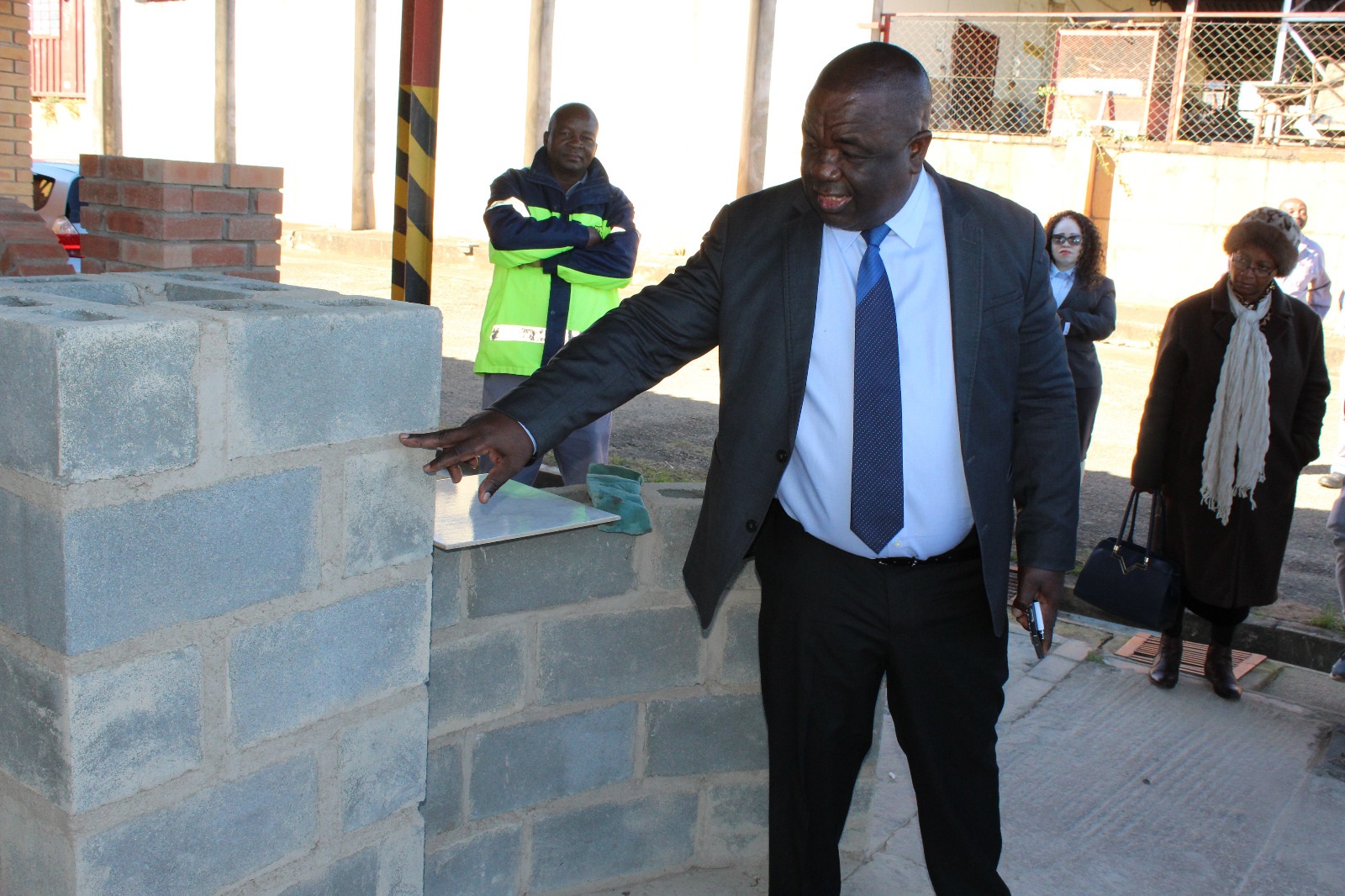
Manzini Industrial Training Centre (MITC) is battling an acute shortage of learning tools, while much of the equipment currently used for training students was outdated, raising concerns about the quality of vocational education offered at the institution.
The challenges were highlighted yesterday by MITC Principal Muzi Mhlanga during a visit by the Minister of Education and Training Owen Nxumalo, who was accompanied by senior ministry officials.
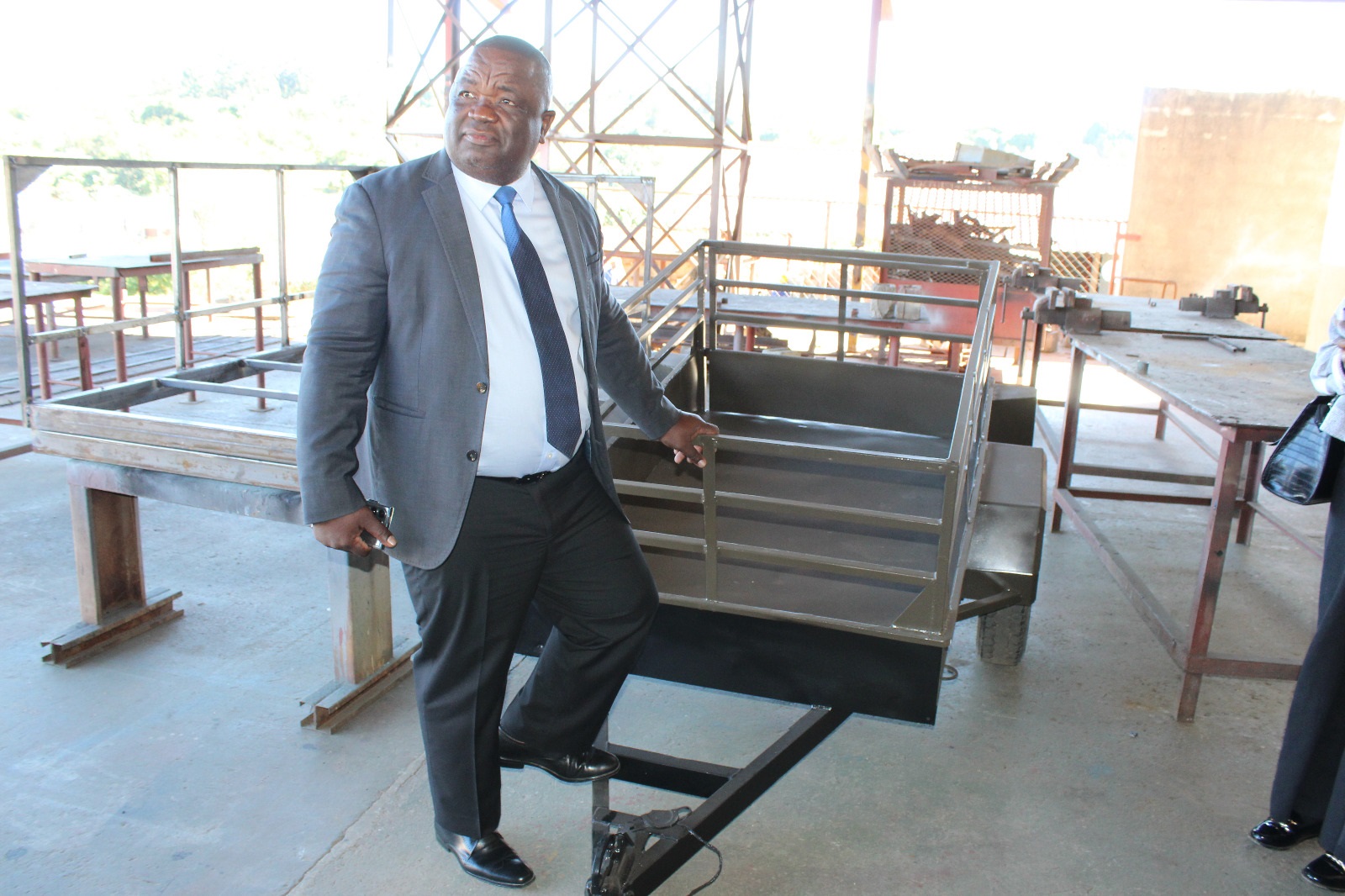
During the tour, the minister visited several departments within the institution, including carpentry and joinery, automotive, metalwork, electrical and upholstery.
Across all departments, management cited a common set of challenges including inadequate training tools and ageing machinery that no longer meets modern industry standards.
Addressing the delegation, Mhlanga said the majority of the machinery used to train students was obsolete, making it increasingly difficult for the institution to adequately prepare graduates for the evolving job market.
“Apart from the fact that our machinery is outdated, we are also facing a serious shortage of learning tools,” he said.
He further revealed that the institution was struggling to provide continuous professional development opportunities for its staff, making it difficult for lecturers and instructors to keep pace with technological advancements in their respective fields.
Mhlanga appealed to the minister to intervene and assist the institution in addressing the long-standing challenges.
Another issue raised was that of staff remuneration, which Mhlanga described as a persistent source of frustration among employees.
“We have been applying for better wages for years, to a point where some of our colleagues have reached retirement age without it being resolved,” he said.
He explained that MITC employees were currently remunerated under the C3 salary scale, which is equivalent to that of high school teachers. He pointed out that management had hoped that the institution’s employees would be accommodated in the recently concluded salary review process, but were disappointed when they were excluded.
The principal said the prolonged delay in resolving the matter had compelled some employees to seek legal recourse.
Adding to the institution’s concerns, MITC Instructor Mboniseni Makhanya highlighted difficulties surrounding the grade testing process for graduates.
He explained that under the current arrangement, only a limited number of students were able to undergo grade testing annually, creating a significant bottleneck for graduates seeking certification and employment opportunities.
Nxumalo said the purpose of the visit was to have first-hand knowledge of the challenges facing the institution and identify practical solutions.
He assured management and staff that government was committed to addressing the issues raised, including the shortage of tools, outdated equipment and concerns over salaries.
“We do not want MITC students to feel neglected by government,” he said.
The minister pledged to follow up on the salary review matter, noting that he was aware that the issue had already reached the Salary Review Appeals Board.
He also promised that the provision of modern training equipment would be prioritised, adding that the ministry would explore donor funding opportunities through development partners, including development partners of His Majesty King Mswati III.
Nxumalo further encouraged the institution’s leadership to seek financial assistance through the Regional Development Fund (RDF) under the Manzini North Inkhundla, saying the programme had previously benefited primary and secondary schools through the construction of classrooms and school halls.
“It is now time for tertiary institutions such as MITC to also benefit from the fund,” he said.
The minister also tasked Chief Inspector of Tertiary Institutions Dr Tibuyisile Dladla with urgently engaging relevant stakeholders to address the grade testing backlog and ensure that a greater number of students were afforded the opportunity to obtain certification upon completion of their studies.
The visit formed part of the ministry’s ongoing efforts to assess conditions of tertiary institutions and strengthen technical and vocational education across the country.