


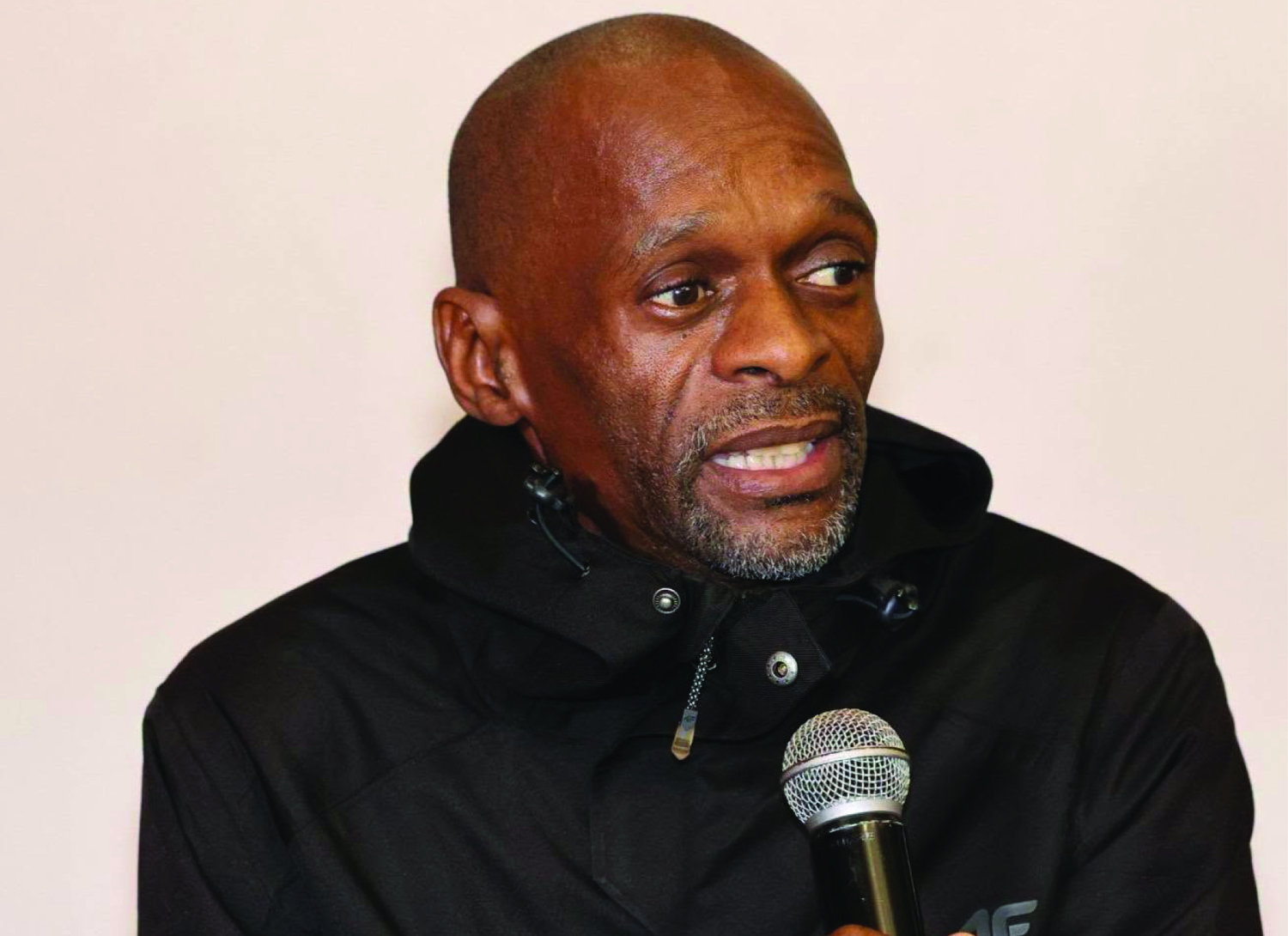
A deafening silence engulfed the room as one of the country’s first openly HIV-positive advocates recounted the painful journey that began with a phone call, which he believed had sealed his fate.
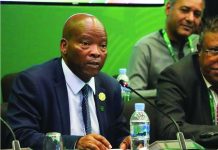
Speaking before Prime Minister Russell Mmiso Dlamini, government officials and other guests during the launch of the HIV Prevention Indaba Findings Report at The Royal Villas yesterday, Vusi Matsebula took the audience back to July 1992, when he first learnt that he had contracted HIV.
His voice trembling with emotion, Matsebula said he had no knowledge of HIV at the time. He recalled that after spending time with his girlfriend, she took his home’s landline telephone number before leaving. About five days later, she called him with words that shattered his world.
“She told me that I would die. When I asked her how, she said she had infected me with HIV,” he recounted.
The news plunged him into fear and despair. A few weeks later, he said he developed a severe headache and became convinced that AIDS was already claiming his life.
“Back then, I lacked information and knowledge about the virus. I now understand that it was only the psychological effect of the shocking news,” he said.
Believing death was inevitable, Matsebula said he decided to end his life.
“I wrote two letters, one of them addressed to my family. I did not want them to be stigmatised because I had HIV,” said Matsebula.
However, he said he believed God had different plans because on the night he intended to commit suicide, he slept through the night and could not proceed with his plan. Instead, he sought comfort in faith, believing he was preparing for his final days.
It was there that his life took an unexpected turn. He said a pastor counselled him and encouraged him to undergo an HIV test. He first visited the Salvation Army, where he was referred to a health facility in Manzini.
There, he met Hannie Dlamini, the first Liswati to publicly disclose his HIV-positive status. Unable to hold back his emotions, Matsebula broke down as he spoke about the encounter.
“I was grateful for meeting Dlamini because he changed my life,” he said through tears.
He said they later attended meetings at TASC alongside other people living with HIV, where he finally began to understand the difference between HIV and AIDS.
“At the time, the disease was simply known as AIDS,” he recalled.
That knowledge transformed his fear into purpose. In 1994, Matsebula and fellow advocates established the Swaziland AIDS Support Organisation, the country’s first organisation dedicated to speaking openly about HIV-related issues.
After Dlamini publicly disclosed his HIV status in 1995, Matsebula followed in 1996. He said he chose to reveal his status because he wanted to replace fear with hope.
“I wanted to put a face to the virus that was perceived to be a monster and educate the public because some people believed HIV was a myth,” said Matsebula.
He said he also wanted to save others from making the same desperate decision he had once contemplated.
“My other reason was to encourage people living with HIV who were considering taking their own lives because they feared stigma. Living with HIV back then was not easy. The journey to where I am today had been challenging, but I pulled through,” he concluded.