
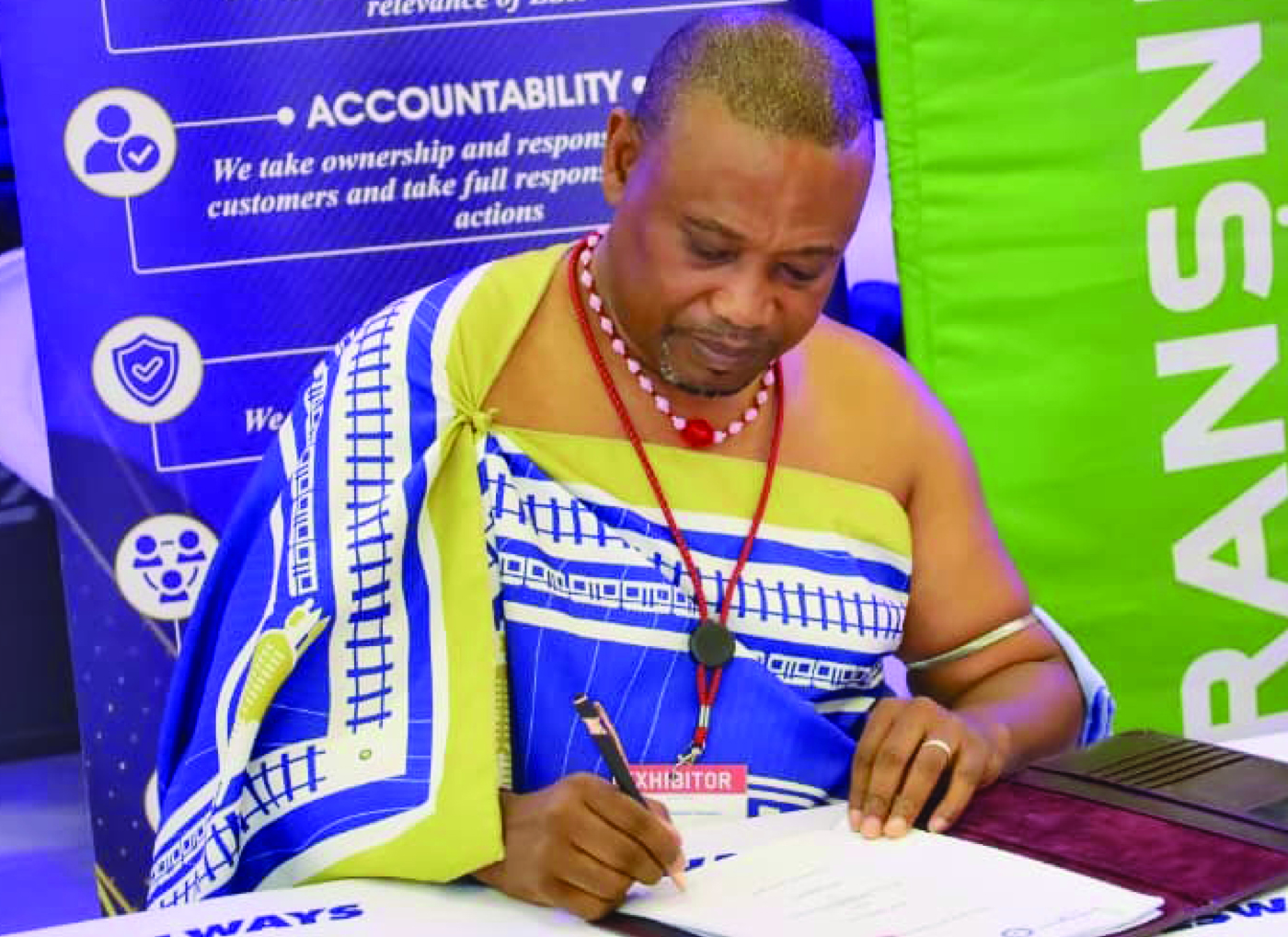
Eswatini Railways spent about E2.1 million on procuring cattle for rituals associated with exhumation as well as other works around the process.
This was disclosed by the company’s Acting Chief Executive Officer, Sandile Dlamini, when asked to clarify what the beasts were for as recorded in one of their annexures submitted to the Public Accounts Committee (PAC).
PAC Chairman Madala Mhlanga noted that in the annexures submitted by the entity, there were details about beasts costing E2.1 million, separate from the cost of the contract awarded for exhumation.
Dlamini clarified that the exhumation process is a practice that entails conducting some rituals for some families and they had to procure cattle to facilitate the ceremonies where they would be conducted.
However, he revealed that the figure did not relate to the procurement of the cattle alone, but also covered other works involved in the exhumation process.
He stated that about 595 graveyards were relocated to make way for the rail project.
Meanwhile, Dlamini admitted that there might have been a possible conflict of interest in the appointment of a former CEO as a member of the Eswatini Railways board.
In his audit report, the Auditor General revealed that a review of the governance structure of the organisation found that the former chief executive officer was appointed as a member of the current Eswatini Railways Board of Directors in August 2023. This appointment occurred less than three years after the end of the chief executive officer’s term, which ended in December 2020.
“I drew the management’s attention to the concern that such an appointment raises questions about the member’s independence, which is crucial for the objective discharge of the governance role,” reads the report.
ALSO READ | Loan impairments hike to E45.6m
The report reflected that Principle 7 of the King IV Code on Corporate Governance recommends that non-executive members of a governing body should be classified as independent only if there is no interest, position, association, or relationship likely to unduly influence or bias their decision-making.
The code further advises that the assessment of independence should consider whether the member had been employed by the organisation as an executive manager during the preceding three financial years.
“I cautioned management that the ability of the board to discharge its governance role and responsibilities objectively may be compromised under such circumstances. I advised management to ensure that the independence of non-executive board members is safeguarded to avoid undue influence or bias in the governing board’s decision-making process,” stated the Auditor General in the report.
Eswatini Railways Head of Legal Ben Ntjangase revealed that when appointing the board, the entity relied on the Swaziland Railway Act of 1962, whose provisions allow such appointments.
However, he said the entity is currently reviewing the Act to align it with current government policies on good governance.